Global Leaders Discuss Electrification Targets At COP31 Climate Conference
Conference organizers proposed a goal to meet 35 percent of global energy demand with electricity by 2035.
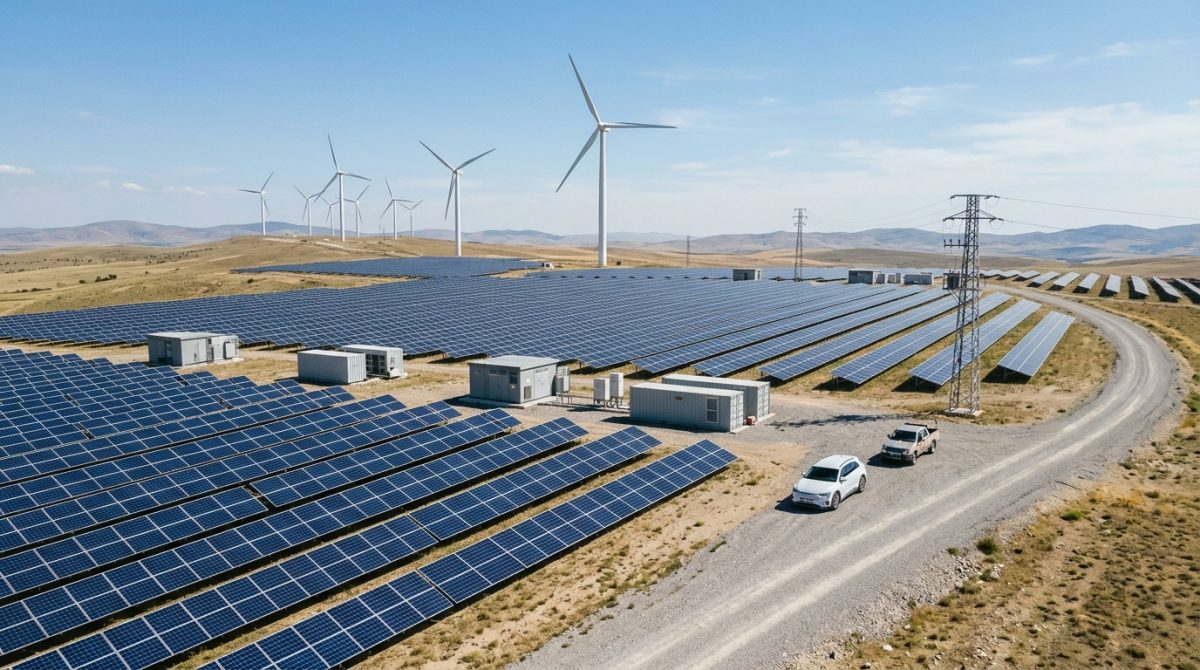
World leaders gathered in Türkiye for the annual COP31 climate conference to discuss strategies for powering the global economy. Organizers at the event proposed a new target to increase electricity's share of final global energy demand to 35 percent by 2035, a significant rise from the current level of just over 20 percent.
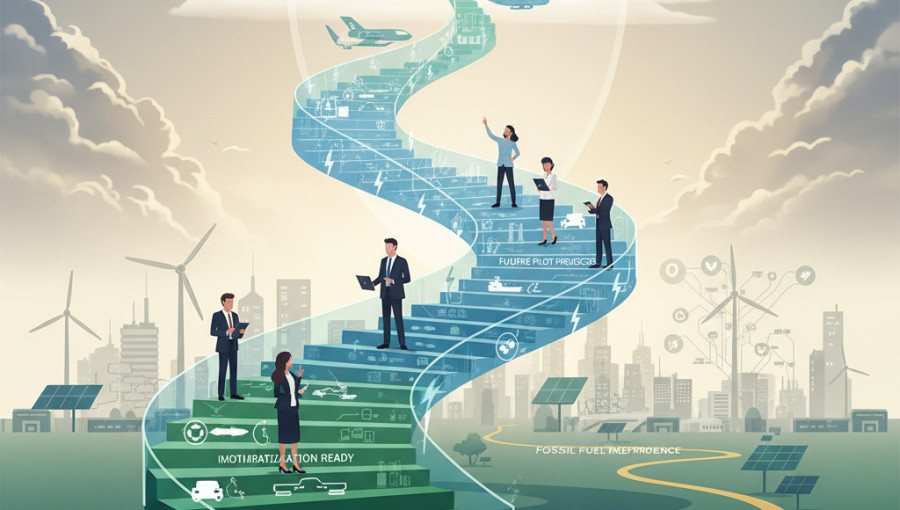
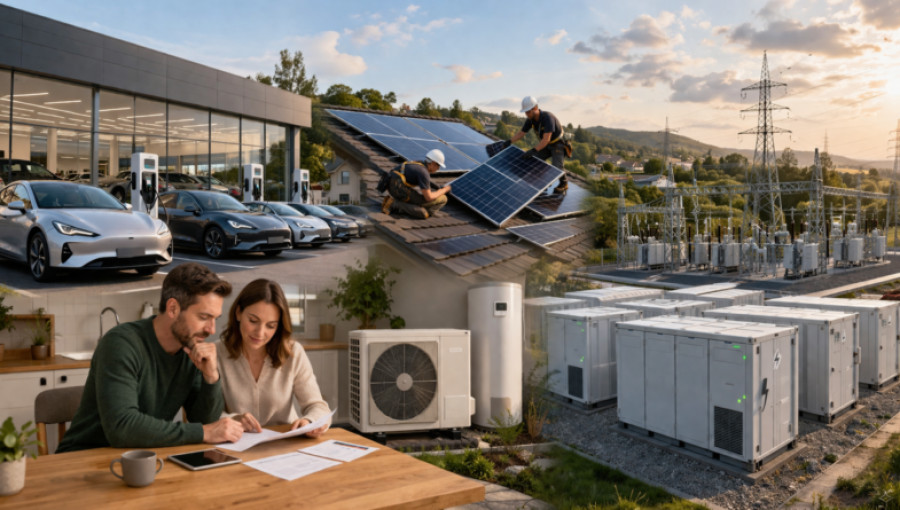
Achieving this transition requires broad participation across multiple sectors. The plan calls for replacing gasoline and diesel vehicles with plug-in alternatives, while manufacturers are encouraged to adopt electric boilers and industrial heat pumps. Additionally, the steel and iron industries are expected to shift toward electric arc furnaces and other cleaner technologies to reduce carbon emissions.
Proponents of the shift argue that electrification is a necessary step to move away from fossil fuels. By increasing the use of electric systems now, more energy demand can be decarbonized as renewable energy sources are added to the grid. Furthermore, electric machines are noted for being more energy efficient than fossil-fueled options, as they can achieve the same output with less fuel consumption.
Beyond climate benefits, the push for electrification offers energy security advantages. Recent global oil and gas price volatility has prompted many nations to seek ways to reduce their reliance on imported fossil fuels. In response to geopolitical tensions, the European Union has already set a goal to increase electricity's share of energy use to 46 percent by 2040.