Corporate Renewable Power Purchase Agreement Market Faces Cooling Trend In Europe
Market participants at the RE-Source 2026 event highlight shifting demand toward hybrid energy projects and storage solutions.
The 10th edition of the RE-Source event, held in Amsterdam on Nov. 4 and 5, gathered industry leaders to discuss the evolving landscape of corporate power purchase agreements (PPAs). Data from the RE-Source Platform indicates that corporate PPAs have secured 5.9 GW of renewable capacity in Europe so far in 2026, representing a 9.7% decline compared to the same period last year.
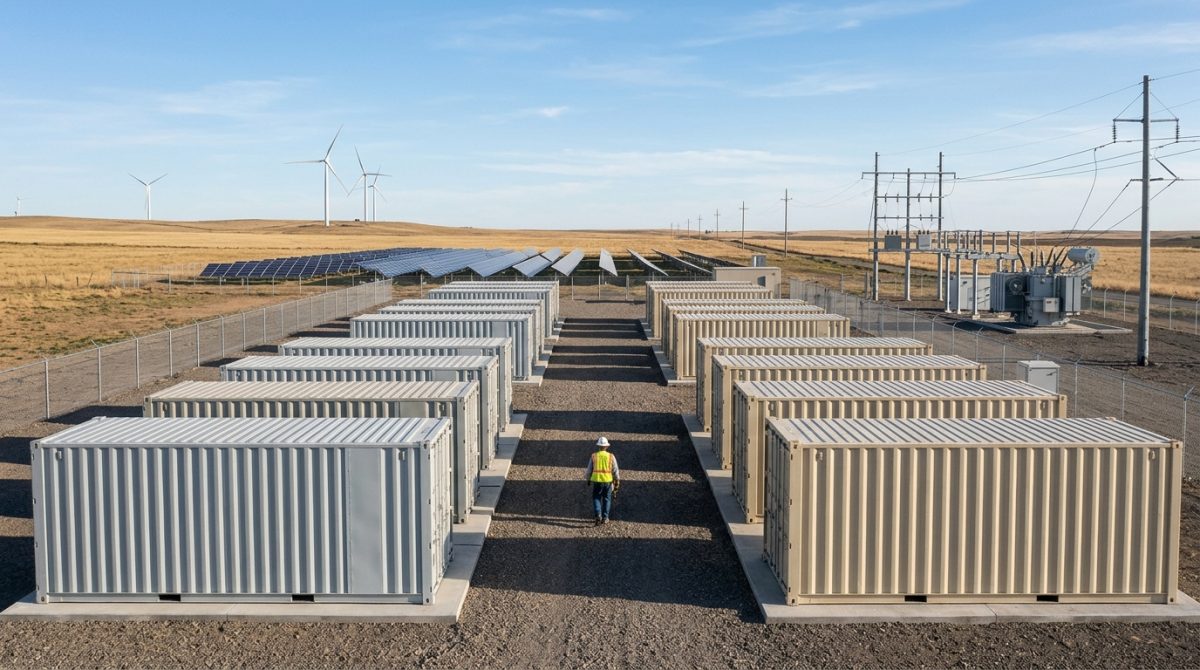
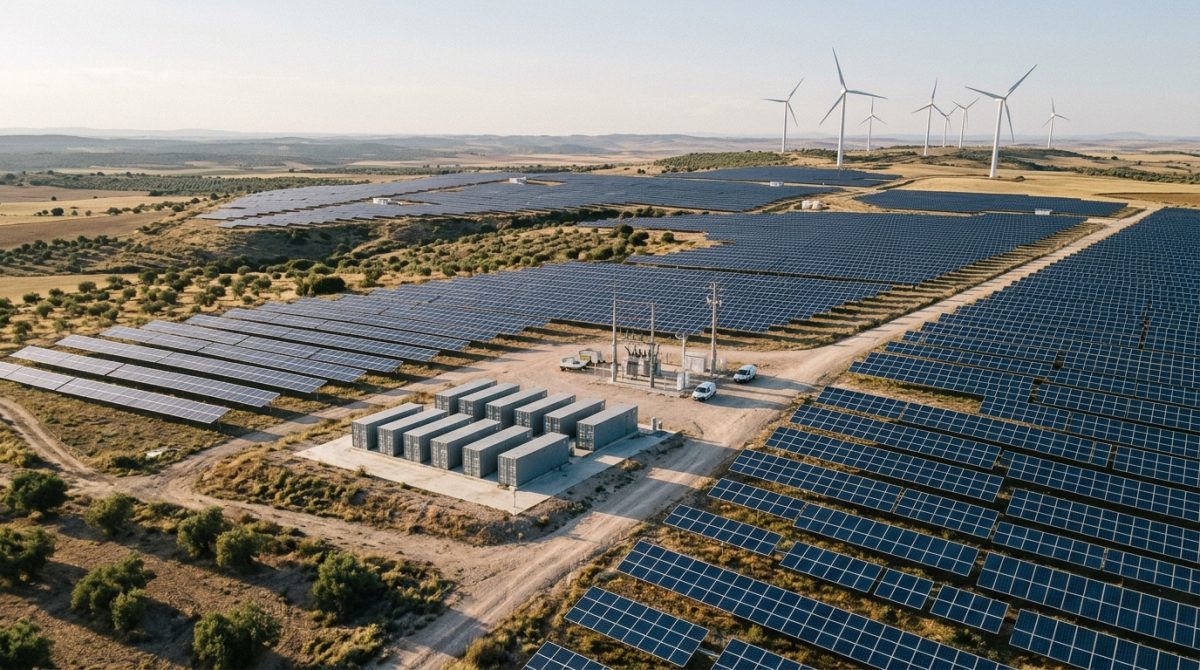
Market analysts observe that the sector is cooling as solar capture rates decline due to an increasing frequency of negative power prices. Research from Pexapark shows that standalone solar PPA volumes have fallen 43% this year, with Italy surpassing Spain as the largest market. In response to price volatility, corporate buyers are increasingly seeking hybrid products that combine multiple technologies, such as solar paired with battery storage.
The integration of storage is becoming a focal point for market participants, particularly in regions like Spain where grid congestion and negative pricing are prevalent. Experts note that while hybrid PPAs offer greater flexibility, they introduce significant complexity. Traders are emerging as key intermediaries, utilizing profile swaps to align variable renewable output with the specific delivery needs of industrial buyers.
Financial considerations remain a primary concern for both developers and offtakers. Battery valuation is heavily influenced by ancillary services, which many corporate buyers are not equipped to manage. Furthermore, uncertainty surrounding potential revisions to the Greenhouse Gas Protocol, which could impact the eligibility of existing renewable energy contracts, is contributing to a cautious market environment.
Despite these challenges, some industry representatives suggest that the market is adapting rather than stalling. Large-scale buyers are prioritizing supply certainty and competitive pricing to manage operational costs, particularly in energy-intensive industries. As the market matures, the focus is shifting toward sophisticated contract structures that account for the technical and financial nuances of grid-connected storage assets.