Sodium-Ion Battery Market Gains Momentum With Over 70 GWh In Agreements
New analysis suggests sodium-ion technology could offer lower long-term ownership costs compared to lithium iron phosphate systems despite higher initial prices.
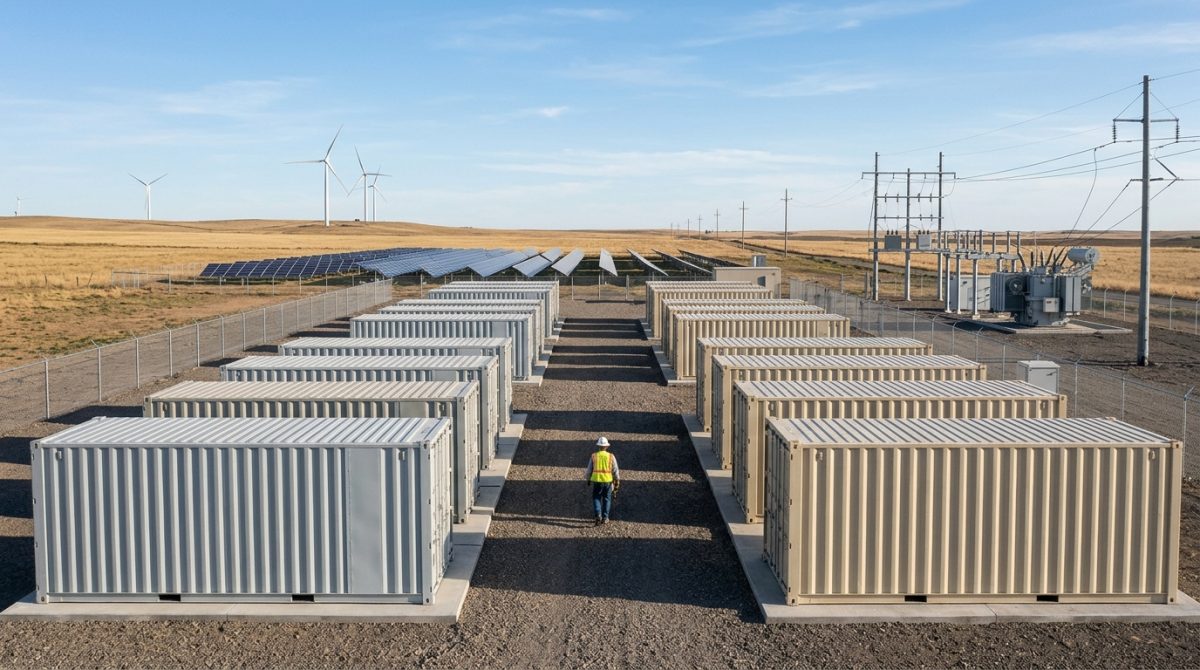
Sodium-ion battery technology is emerging as a viable alternative to lithium-ion systems, with more than 70 GWh in supply agreements already secured. A recent report by Wood Mackenzie highlights that while these batteries currently carry higher upfront costs, they may provide a 21% lower total cost of ownership over a 20-year period, driven by reduced operating expenses and the potential to avoid capacity augmentation.
The global average upfront cost for sodium-ion battery systems is estimated at $229/kWh, compared to $200/kWh for lithium iron phosphate (LFP) systems. Wood Mackenzie projects that leading manufacturers could achieve cell-level cost parity with LFP by the end of 2026. However, achieving similar parity at the module and system levels is not expected until after 2030. The technology is also noted for its wider operating temperature range and decreased reliance on lithium supply chains.
China currently leads in manufacturing, with Wood Mackenzie forecasting a learning rate of 18% to 20% for the country between 2026 and 2035. Major players are advancing their capabilities, with BYD planning 30 GWh of production capacity and CATL expecting cumulative shipments to reach at least 1 GWh by the end of 2026. CATL has also launched its TENER Sodium energy storage system, with international deliveries scheduled for June 2027.
Policy support is playing a role in market development, particularly in China, where qualifying sodium-ion batteries are exempt from the consumption tax applied to lithium-ion batteries until the end of 2028. Conversely, LFP batteries are subject to a 2% levy starting in September 2026, which will rise to 4% in September 2027. While the US and Europe have secured significant supply agreements and India is in the early stages of commercial validation, the technology still faces hurdles regarding production scaling, material refinement, and long-term performance verification.
Wood Mackenzie notes that sodium-ion system economics remain stable for storage durations between 2 and 4 hours. Despite this, LFP remains the more established choice for current project deployments as the industry works to overcome existing manufacturing and performance challenges.