Critics Slam Department Of Energy Over Misleading Solar Post
The U.S. Department of Energy recently faced criticism for a social media post highlighting that solar panels do not generate electricity at night. While technically accurate, the post was widely condemned as a misleading attempt to undermine renewable energy. Critics argue the agency is ignoring the significant role solar power plays during peak daylight hours, particularly when grid demand is highest. By framing the natural decline of solar output after sunset as a system failure, the administration is accused of distorting the reality of how modern power grids effectively integrate diverse energy sources to maintain reliability.
The recent heat wave in Texas serves as a clear counterexample to the narrative that solar power is unreliable. As residents pushed the state’s power grid to record-breaking demand levels, solar energy proved essential. For several hours during the work week, solar modules provided more electricity than natural gas, at times contributing over 40% of the state’s total supply. Furthermore, the integration of battery storage allowed the grid to manage the transition during sunset, ensuring that electricity remained available and preventing potential price spikes during periods of extreme thermal stress.
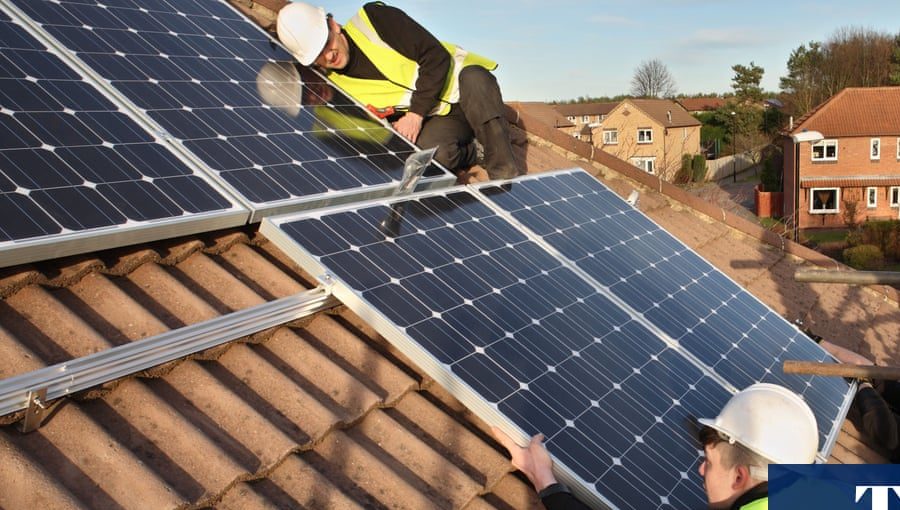
Despite these operational successes, the current administration continues to pursue policies that hinder the growth of renewable energy. Actions such as the removal of tax credits for large-scale and rooftop solar installations, the suspension of programs aimed at assisting low-income households with photovoltaic adoption, and the stalling of permitting processes reflect a broader opposition to the sector. These efforts come at a time when electricity demand is surging, and utility costs are rising. Experts maintain that solar remains the most cost-effective and efficient energy source to deploy, regardless of the political rhetoric surrounding its nighttime limitations.