India Identifies Over 100 GW Floating Solar Energy Potential
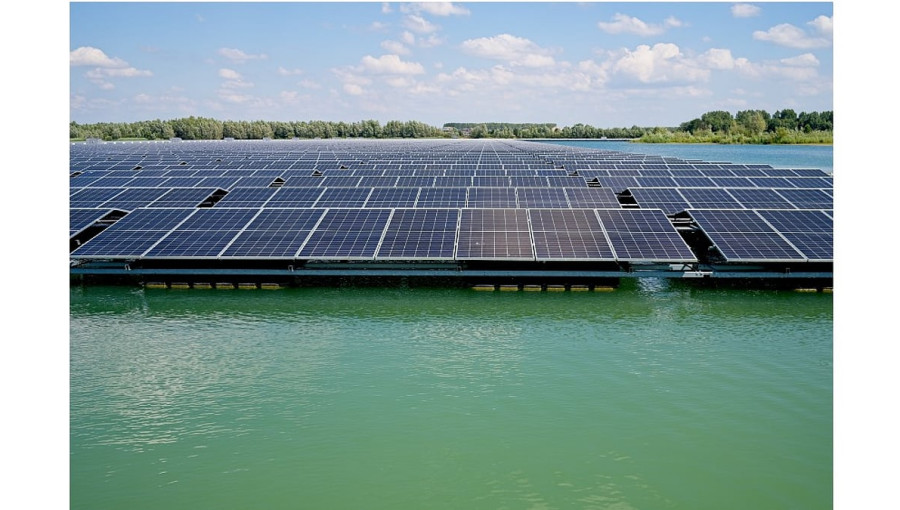
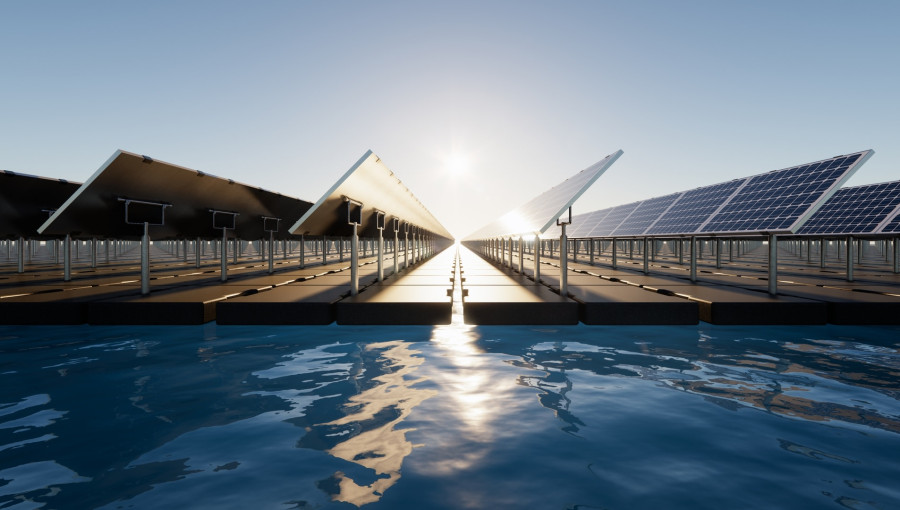
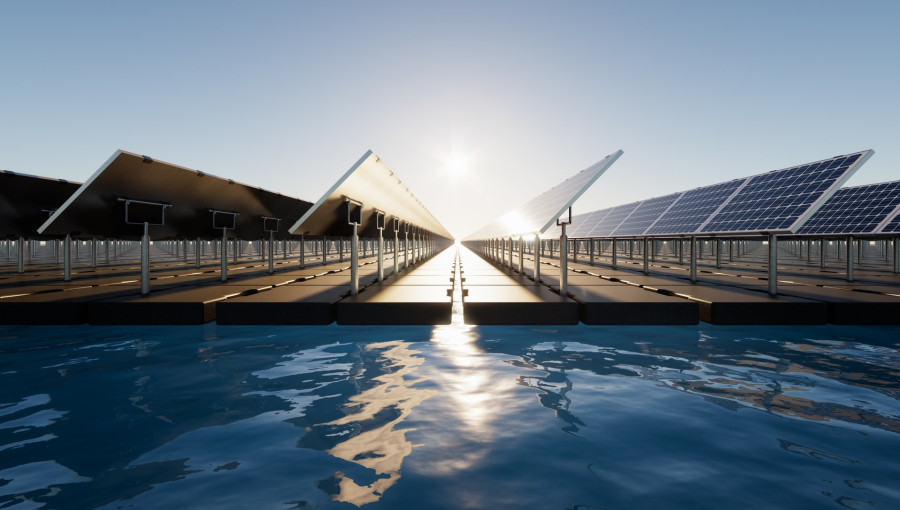
A new assessment from the National Institute of Solar Energy (NISE) identifies a significant opportunity for India to expand its renewable energy footprint, estimating a potential for over 102 GW of floating solar PV capacity across its inland water bodies. By utilizing underused reservoirs, the country aims to alleviate pressure on land resources while boosting its total evaluated solar potential to 3,445 GW. As the government prepares a dedicated scheme to support this technology, the findings offer a strategic roadmap for future infrastructure planning, investment, and the continued growth of India’s clean energy sector.
The study, titled Floating Solar PV Potential Assessment 2026, utilized a rigorous geospatial methodology to pinpoint viable locations. Analysts considered critical factors such as water depth, year-round availability, and proximity to existing road networks and electrical substations. To ensure the findings remained practical, the assessment excluded water bodies smaller than 10 hectares and capped solar deployment at 20% of any individual surface area. The calculations were based on the use of 545 W solar modules with 21% efficiency, requiring approximately 0.019 square kilometers of water surface for every 1 MW of installed capacity.
Regional data highlights Maharashtra as the leader in potential, with an estimated 16.28 GW, followed closely by Madhya Pradesh and Karnataka. Beyond simply adding capacity, the report emphasizes that floating solar installations provide unique operational advantages. The cooling effect of the water can enhance the performance of solar modules, while the panels themselves help reduce water evaporation and inhibit algae growth. These installations serve as a dual-purpose solution, providing a new revenue stream for water body managers while helping India meet its ambitious renewable energy targets through innovative, land-efficient technology.