Dutch Residential Battery Market Surges Ahead Of Net Metering Phaseout
Sales of home energy storage systems have more than doubled in nine months as households prepare for the end of net metering.
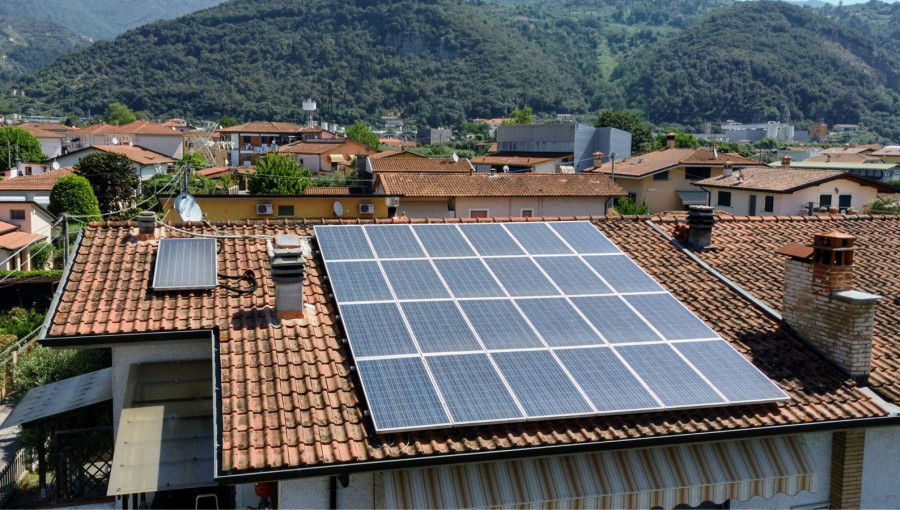
Sales of residential battery storage systems in the Netherlands have more than doubled over the past nine months, driven by the upcoming termination of the national net-metering scheme for residential solar PV on January 1. According to data from Sunergy Research, the shift is compelling households to prioritize self-consumption as the financial benefits of exporting solar electricity to the grid are expected to decline significantly.
Currently, the average Dutch household consumes only 30% of its generated solar energy, exporting the remaining 70%. By adopting battery storage, households could potentially reverse this ratio, increasing self-consumption to approximately 70%. Sunergy Research reported that installations of small batteries with capacities up to 5 kWh increased more than fourfold between January and September, while systems ranging from 5 kWh to 15 kWh nearly tripled in the same period.
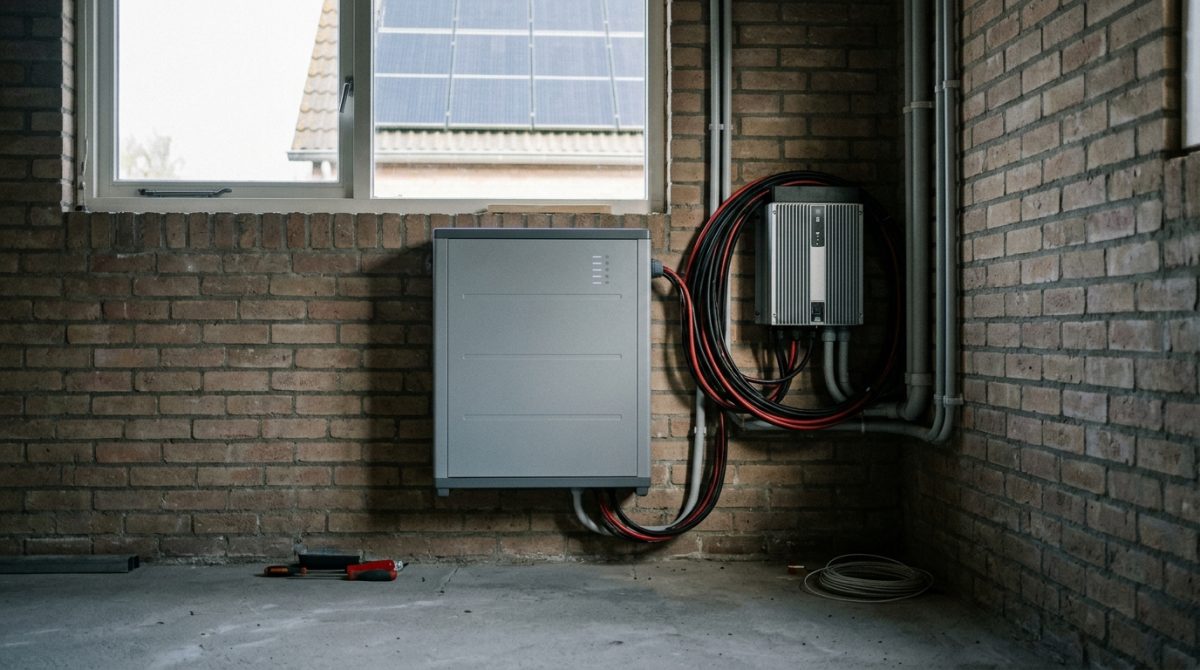
Plug-in battery systems have emerged as the largest segment of the residential market, with installations more than doubling over the nine-month period. Sunergy Research CEO Rolf Heynen noted that the growth of these accessible, plug-and-play units suggests that the market is moving beyond early adopters to include ordinary households. These smaller systems, often suitable for homes with approximately six solar panels, start at around €1,000.
For larger households with higher electricity demand, the company recommends permanently installed systems with capacities between 5 kWh and 20 kWh, which start at approximately €4,000. The firm recently published a 33-page guide to assist consumers in selecting appropriate storage, emphasizing that battery sizing should be based on factors such as solar generation patterns, inverter capacity, and household consumption to avoid the negative financial impacts of oversizing.
The guide estimates that payback periods for these systems range from two to 15 years, with potential annual savings between €200 and €1,000. Beyond self-consumption, the report highlights that intelligent energy management systems can help owners leverage additional revenue streams through electricity trading, grid balancing, and congestion management. As the Netherlands transitions away from net metering, the integration of properly sized batteries and energy management is expected to remain a critical factor in the economic viability of residential solar installations.