Spain Sees Massive Surge In Residential Battery Storage Installations
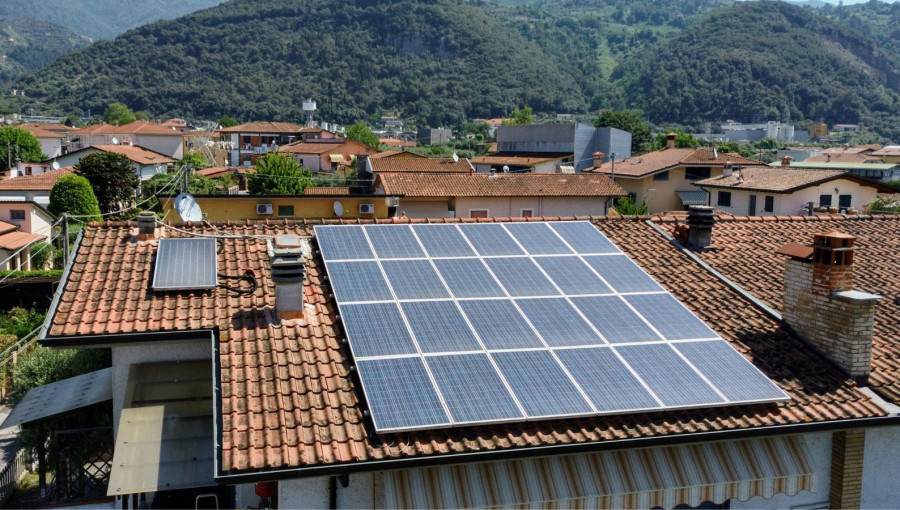
Spain’s self-consumption energy sector experienced a significant surge in storage capacity last year, with new installations rising by 65 percent. According to data from the Spanish solar association Unión Española Fotovoltaica (UNEF), the market reached 540 MWh of new capacity, up from 327 MWh the previous year. This expansion was driven largely by the residential sector, which saw a 99 percent increase in battery deployments. As battery costs continue to decline, integrating storage with photovoltaic systems is becoming a standard practice for consumers looking to maximize the efficiency of Spain’s abundant solar resources.
The residential market is leading this transition, with 61 percent of all new self-consumption installations now incorporating battery storage. While residential growth remains the primary driver, interest is also climbing within the commercial and industrial sectors. José Donoso, Director General of UNEF, noted that falling costs and technological advancements have made battery integration a viable and essential component for creating a more flexible and resilient electricity grid. By pairing storage with solar modules, users can better manage their energy consumption and reduce reliance on the grid.
To sustain this momentum, UNEF is advocating for regulatory updates, including the swift implementation of the Royal Decree on self-consumption and distributed storage. The association is pushing for the legal recognition of distributed storage and the ability for consumers to share energy surpluses. Furthermore, UNEF suggests that electricity bills should place more emphasis on the variable energy component to incentivize efficiency. To further accelerate adoption, the organization is calling for streamlined permitting, specifically requesting that projects with an access capacity of up to 500 kW benefit from simplified administrative procedures.