EDP Launches First Floating Solar Lab In Europe
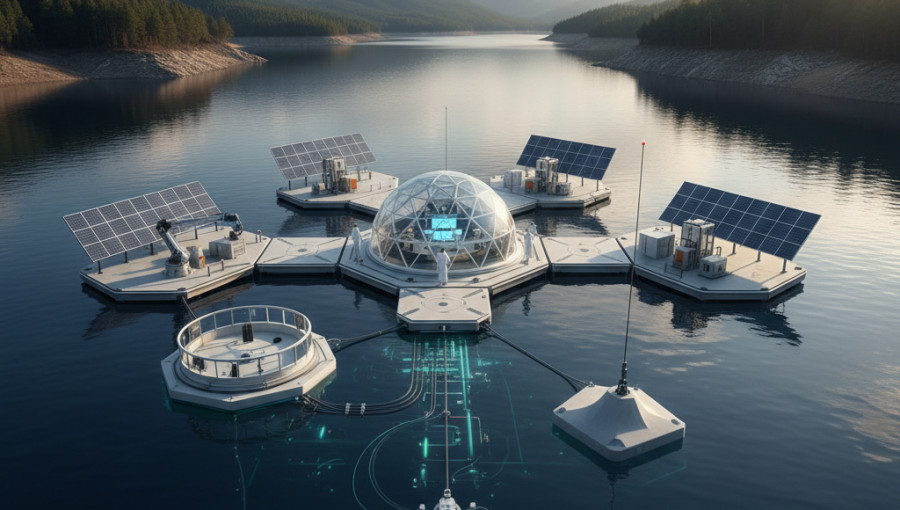
EDP has launched Europe's first open-access laboratory dedicated to floating solar technology at the Alto Rabagão reservoir in Portugal. This pioneering "Floating PV Lab" allows startups and research institutions to test and validate hybrid energy solutions—combining hydroelectric and floating solar power—in a real-world environment. By providing access to extreme weather conditions and advanced infrastructure, the initiative aims to accelerate the commercialization of new renewable energy technologies. The lab reinforces EDP’s commitment to innovation and offers a collaborative ecosystem to drive the global energy transition forward.
The facility is located at a site that has been a global pioneer since 2016, when EDP first trialed the integration of dam-based hydroelectric power with floating solar installations. The new laboratory transforms this operational infrastructure into a collaborative hub where companies can evaluate the performance of solar panels and solar modules under rigorous conditions. The environment is specifically chosen for its exposure to high winds, significant wave action, and extreme temperature fluctuations, providing a "stress test" for emerging technologies.
Research at the site currently focuses on several critical areas of the energy sector, including operation and maintenance (O&M) solutions, AI-driven data processing, and integrated energy storage systems. By testing in these conditions, developers can refine their hardware and software before full-scale market entry, ensuring that new components can withstand the harsh realities of offshore or reservoir-based deployment.
Two pilot programs are already utilizing the facility. Fred Olsen 1848 is currently testing an automatic tension buoy designed to manage water level variations effectively, while Sperra is validating a gravity anchor manufactured using 3D-printed concrete technology. Both projects, which are scheduled to run for one year, aim to reduce installation costs and improve structural resilience for future large-scale floating solar deployments.
Pedro Miguel Oliveira, Head of New Technologies and Special Projects at EDP, emphasized that the lab provides a strategic advantage by keeping the company at the forefront of technical advancements. He noted that the project is essential for identifying technical solutions that reduce both implementation and operational costs.
The experimental laboratory is scheduled to operate for an initial period of three years and is currently accepting applications from interested parties. To support these innovators, EDP provides dedicated workspaces and technical assistance. Participation involves an annual usage fee starting at €10,000, which can be adjusted based on the specific duration and technical complexity of the projects involved.