Efficiency And Electrification Key To Europe Energy Independence
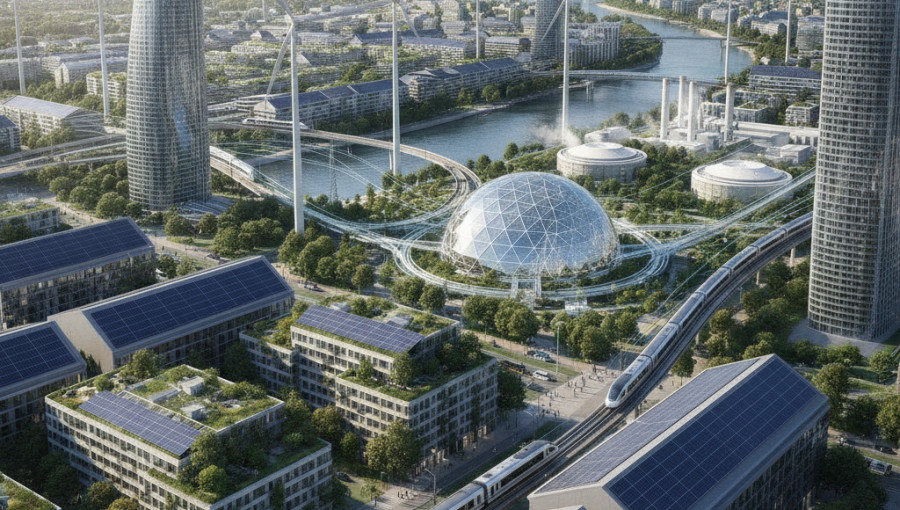
Europe has already established a powerful defense against energy price volatility through decades of efficiency gains. Data from the Odyssee-MURE project reveals that EU final energy consumption in 2024 was 249 million tonnes of oil equivalent lower than it would have been without improvements made since 2000. This 29% reduction represents energy that never needed to be imported or generated. By prioritizing efficiency, electrification, and renewable power as a single, integrated system, Europe can significantly shrink its dependence on fossil fuels, lower its import bill by trillions of euros, and improve living standards across the continent.
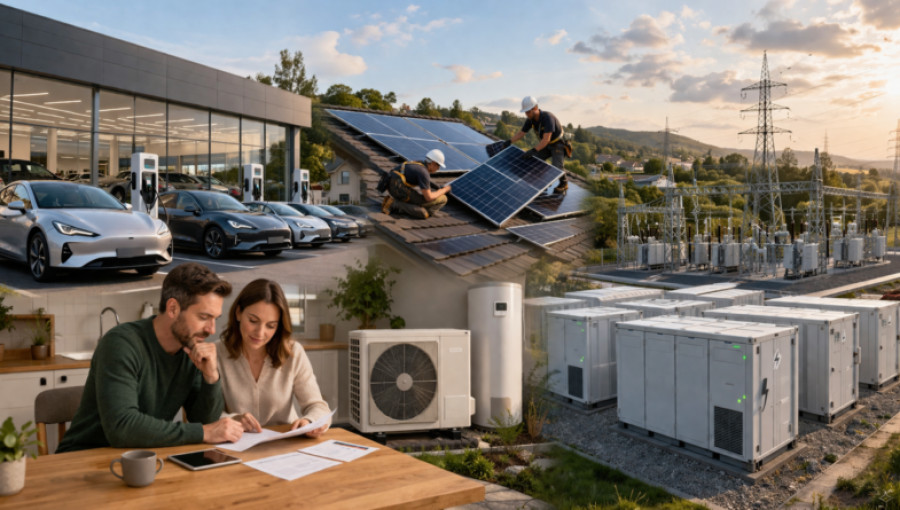
The transition to a clean energy system relies on three interconnected levers: efficiency, electrification, and renewable generation. Electrification acts as a primary driver of efficiency, as technologies like heat pumps and electric vehicles perform tasks with far less energy waste than their fossil-fuel counterparts. While the power sector has successfully reduced its reliance on fossil fuels, other areas like transport, buildings, and industry remain heavily dependent on them. Integrating these sectors is essential, as efficiency reduces the total load on the grid, while electrification shifts remaining demand to domestically produced, clean electricity.
Industrial efficiency offers significant, often overlooked potential. Upgrading aging electric motors, pumps, and compressors could release substantial amounts of clean power for other uses, with long-term projections suggesting that up to 90% of industrial energy consumption could eventually be electrified. Furthermore, building renovations provide both energy savings and health benefits, addressing issues like damp and poor air quality for millions of Europeans. These improvements also help flatten demand peaks, reducing the overall cost of the energy system.
Looking toward 2040, the combined impact of these strategies could reduce gas and oil demand by approximately 70%. This shift would keep between €1.4 and €2 trillion within the European economy that would otherwise be spent on imports. Despite these clear benefits, the primary challenge remains the pace of grid infrastructure development. While efficiency helps manage demand, the speed of permitting and investment in wires and substations must increase to support the rapid growth of clean generation and industrial electrification. Consistency in policy is now the most critical factor in securing Europe’s energy future.