Energy Consumption Remains Primary Challenge For Green Hydrogen Production
Water usage in electrolysis is not a significant environmental concern compared to the substantial energy requirements of the process.
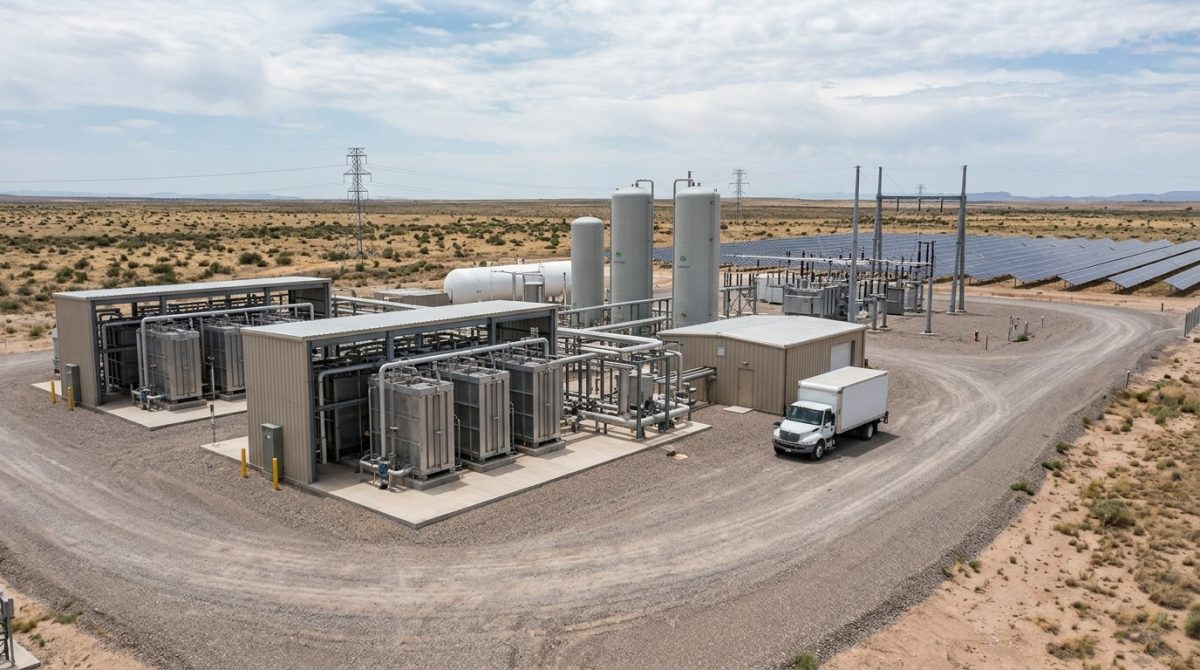
Concerns regarding water consumption in green hydrogen production are often misplaced, as the environmental impact of water use is minimal compared to the energy required for electrolysis. While hydrogen production requires pure water to prevent damage to electrolyzer components, the energy needed to purify water via reverse osmosis is negligible when measured against the 50 to 65 kWh per kilogram of hydrogen consumed during the electrolysis process itself.
When comparing production methods, steam methane reforming consumes approximately 20 litres of water per kilogram of hydrogen, while coal gasification requires at least 49 kilograms of water per kilogram of hydrogen. In contrast, electrolysis typically consumes between 17.5 and 22.3 litres of water per kilogram of hydrogen, including evaporative cooling needs. These figures demonstrate that green hydrogen production does not place an undue strain on water resources compared to traditional fossil-based methods.
The focus on direct seawater or unpurified water electrolysis is described as addressing the wrong problem. Because reverse osmosis desalination is a highly efficient technology, the energy cost to prepare water for electrolysis is roughly 0.07 kWh per kilogram of hydrogen. This is a minor fraction of the total energy input, confirming that energy efficiency, rather than water availability, is the critical factor for the industry.
Furthermore, the environmental impact of green hydrogen depends heavily on the source of electricity. If grid power is used to supplement renewable generation, the associated water and greenhouse gas intensity can increase significantly. True environmental benefits are best achieved by using renewable electricity directly to reduce fossil fuel reliance on the grid, rather than prioritizing water-saving technologies that do not address the fundamental energy challenges of hydrogen production.