Energy Sharing Faces Complex Administrative Hurdles Following Net Metering Phase Out
While sharing surplus solar power is an appealing concept, industry experts warn of significant administrative costs and grid balancing risks.
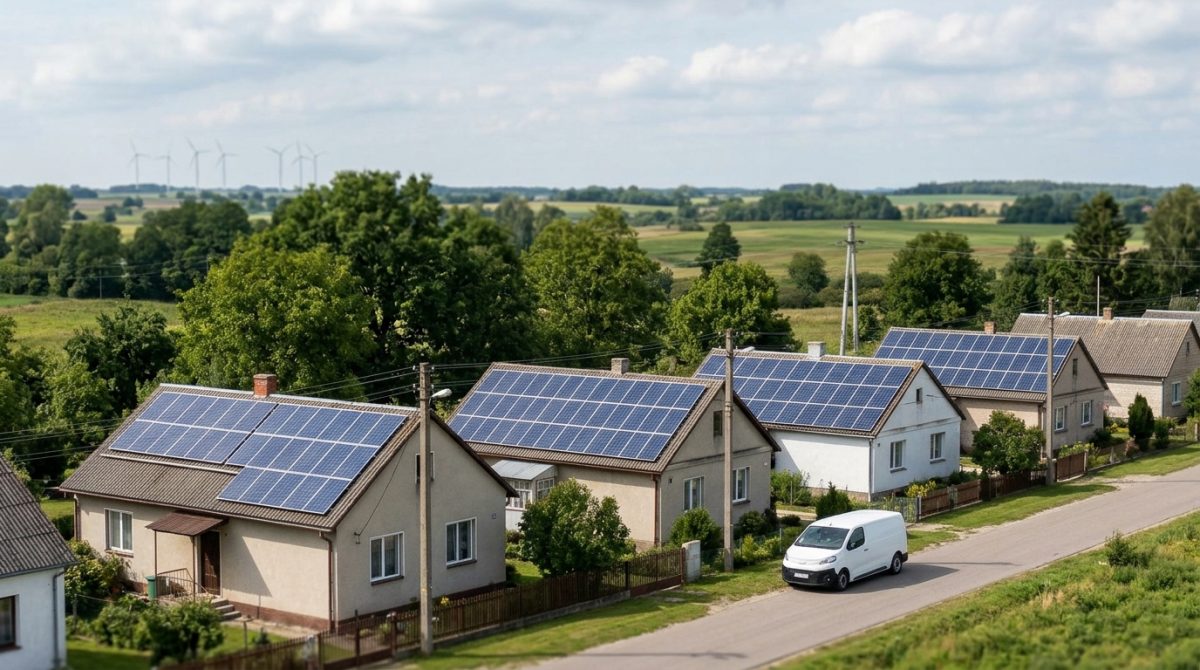
As the Netherlands prepares for the end of its net metering scheme, interest in energy sharing is rising. Roel Kaljee, retail program manager at the industry association Energie-Nederland, notes that while the idea of sharing surplus solar electricity with neighbors or family is sympathetic, it involves complex administrative processes and potential costs that consumers should consider.
Energy sharing functions by matching solar power fed back into the grid with consumption by another party within the same 15-minute interval. Currently, the Dutch Energy Act allows for sharing between customers of the same energy supplier, as well as through third-party aggregation or peer-to-peer trading platforms. Expected legislative updates in the first half of 2027 will mandate that suppliers facilitate energy sharing between customers of different providers.
The process is purely administrative, requiring precise tracking of meter data every quarter-hour. When two different suppliers are involved, they must exchange data to ensure accurate billing and to maintain balance in their respective energy programs. This complexity extends to financial settlements, including VAT and energy taxes, which must be managed alongside the shared energy volumes.
A significant concern for the industry is the impact on grid stability. Because both solar generation and household consumption are weather-dependent and variable, energy sharing introduces unpredictability. This creates an imbalance in the electricity system, which carries financial risks for energy suppliers. To mitigate this, the sector has proposed static sharing, where a fixed percentage of solar output is allocated to a recipient, rather than dynamic sharing which fluctuates based on real-time consumption.
Regarding costs, Energie-Nederland emphasizes that expenses incurred by grid operators for central administration will be reflected in general network tariffs. However, the association argues that the specific administrative costs borne by energy suppliers should be charged directly to the participants of energy sharing agreements. This approach aims to prevent non-participating customers from subsidizing the costs associated with these private arrangements.