Slovenia Launches Real Time Solar Energy Sharing Framework
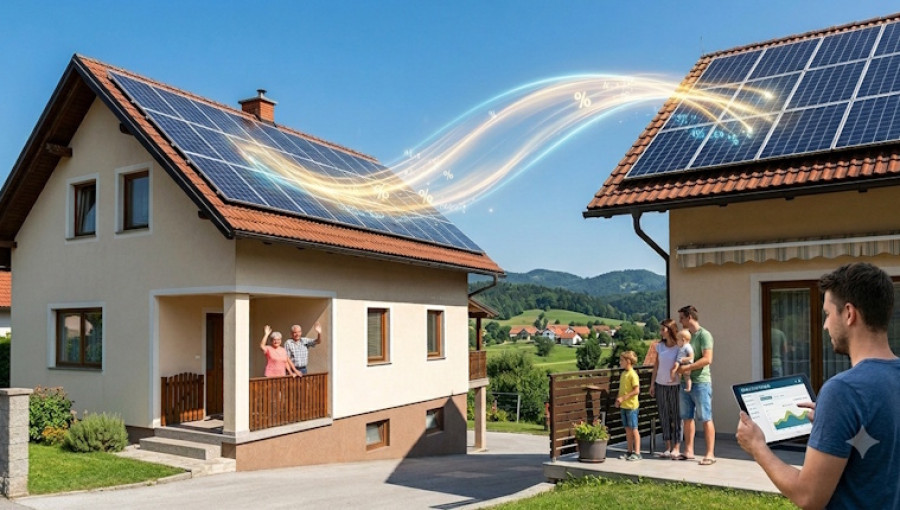
Starting July 1, Slovenia will implement a new energy-sharing framework, allowing households and businesses to distribute surplus electricity from photovoltaic plants to other meters in real time. Enabled by recent legislative updates, this system moves beyond previous collective models, granting individual prosumers the flexibility to redirect energy every 15 minutes. By utilizing smart meters, participants can share power with any meter within the same supplier’s network. This initiative aims to optimize renewable energy usage, prevent waste, and provide greater autonomy for solar owners, whether through solidarity-based gifts or commercial transactions between parties.
The transition is supported by the electricity supply act and the act on the promotion of the use of renewable energy sources. Previously, energy sharing was restricted to collective models, such as tenants in a single building who had to pre-determine sharing percentages. Under the new rules, those in the net billing system gain significant flexibility, as they can now transfer and receive energy in real-time. While net metering users retain the benefit of virtual grid storage, they are now permitted to donate or transfer their final annual surplus to another meter once per year.
Energy communities also benefit from these changes. Previously, these groups relied on fixed, pre-agreed sharing percentages, which often led to energy waste when members were away. With the new real-time redistribution capability, unused electricity is automatically directed to active consumers within the community. This dynamic approach allows for more efficient energy management, as communities can now exchange power with other groups or individual consumers.
To participate, users must have smart meters that record production and consumption data every 15 minutes. A key requirement is that both the provider and the recipient must hold supply contracts with the same energy company. The regulatory framework also distinguishes between local sharing, which occurs within the same substation and benefits from lower network fees, and national sharing, which incurs full grid tariffs. To begin, participants must register on the state portal, Moj Elektro, where they define their sharing arrangements. Applications must be finalized by the 10th of the month to initiate sharing by the first day of the following month.