European Solar Leaders Prioritize Innovation Over Manufacturing Scale
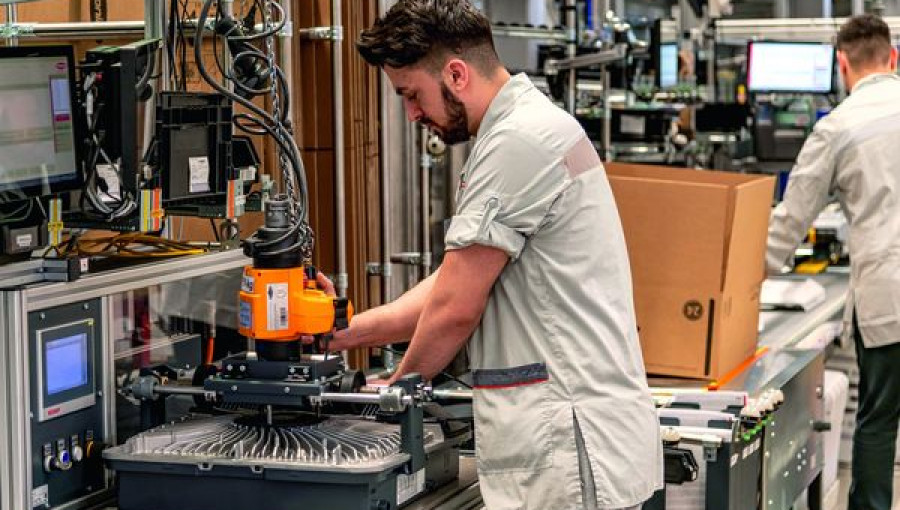
At Intersolar Europe 2026, industry leaders argued that domestic manufacturing will not disrupt the global solar market, but rather succeed through strategic innovation and specialized development. Peter Fath of RCT Solutions emphasized that the industry’s technology roadmap is already set, with a transition from TOPCon to back contact (BC) and silicon-perovskite tandem cells expected by 2035. While Europe faces challenges in competing with global manufacturing scale, experts suggest the continent can secure its resilience by focusing on high-precision machinery, advanced solar cell processes, and equipment manufacturing, provided there is supportive policy and significant capital investment.
The discussion highlighted the strategic importance of the European inverter market, where production capacity has surpassed 100GW. Companies like Fronius are advocating for stricter regulations, including potential restrictions on Chinese-made inverters to mitigate cybersecurity risks and protect data sovereignty. While current EU legislation like the Net Zero Industry Act mandates non-Chinese products in public auctions, industry voices are calling for broader protections. However, some trade groups remain concerned about the current definitions of "made in Europe," which include imports from countries with free trade agreements, potentially undermining local production efforts.
Technological innovation remains a primary focus for maintaining European relevance. Oxford PV expects gigawatt-scale production of silicon-perovskite tandem cells to begin by 2028, a technology that could modernize existing silicon manufacturing lines. Experts suggest that because the expertise for perovskite development is largely concentrated in Europe, this represents a critical opportunity for the region. Despite the potential for innovation, some manufacturers are adopting a pragmatic approach by forming joint ventures with Chinese firms. This strategy aims to leverage established expertise to scale European production, though it remains a point of debate regarding the future of independent manufacturing.