German Energy Groups Challenge Gas Favored Capacity Act
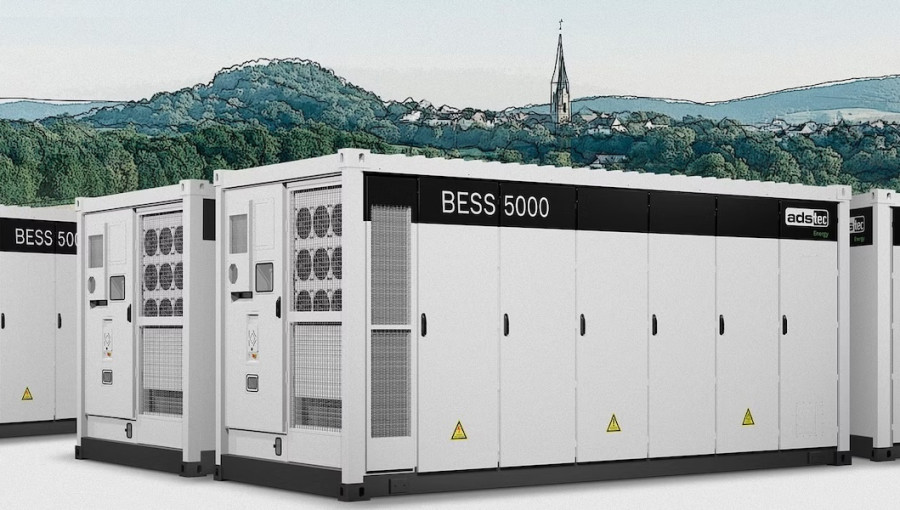
The German energy storage association, BVES, intends to challenge the country’s proposed Electricity Security of Supply and Capacity Act (StromVKG) before the European Commission. The association contends that the legislation’s current framework unfairly favors gas-fired power plants while effectively sidelining battery storage and other flexible technologies. By mandating strict operational duration requirements and specific local-content rules, the bill allegedly violates European principles of technology neutrality. Industry groups, including the renewable energy association BEE, warn that these design flaws could distort competition, hinder the transition to a hydrogen economy, and cement a long-term reliance on fossil-fuel infrastructure.
At the heart of the dispute is the government’s plan to tender 9 GW of dispatchable generation capacity to ensure supply security following the coal phaseout. The proposed “10+1” rule—requiring assets to provide 10 hours of continuous power, followed by a one-hour recovery and another 10 hours of operation—is viewed by critics as a technical barrier that only gas plants can realistically meet. While a separate 2 GW auction for battery storage is planned for next year, industry advocates argue that the primary tender’s restrictive criteria undermine the potential for storage to contribute to grid stability.
Beyond operational duration, the BVES and BEE have voiced strong opposition to local-content provisions that mandate at least 50% of project components originate in Europe. Critics argue these requirements are applied inconsistently, as gas-fired plants remain exempt from similar standards despite their reliance on imported fossil fuels. Furthermore, the associations are calling for more flexible pooling arrangements, which would allow smaller storage assets to combine their capacity to meet security requirements more efficiently. They also emphasize that the current draft lacks a clear, binding roadmap for transitioning gas assets to green hydrogen or biomethane.
While the storage and renewable sectors highlight the need for greater regulatory transparency and technology-neutral competition, the gas industry has offered a more nuanced perspective. Although the gas sector supports the overall framework for attracting investment in dispatchable capacity, it has raised concerns regarding the proposed payment caps and the inclusion of inertia-related services within the capacity mechanism. Gas industry representatives argue that such services should be procured through separate, specialized processes and emphasize that the success of new generation projects depends heavily on faster permitting and improved access to essential hydrogen and electricity infrastructure.