Ganfeng Lithium Begins Production Of Advanced Solid State Batteries
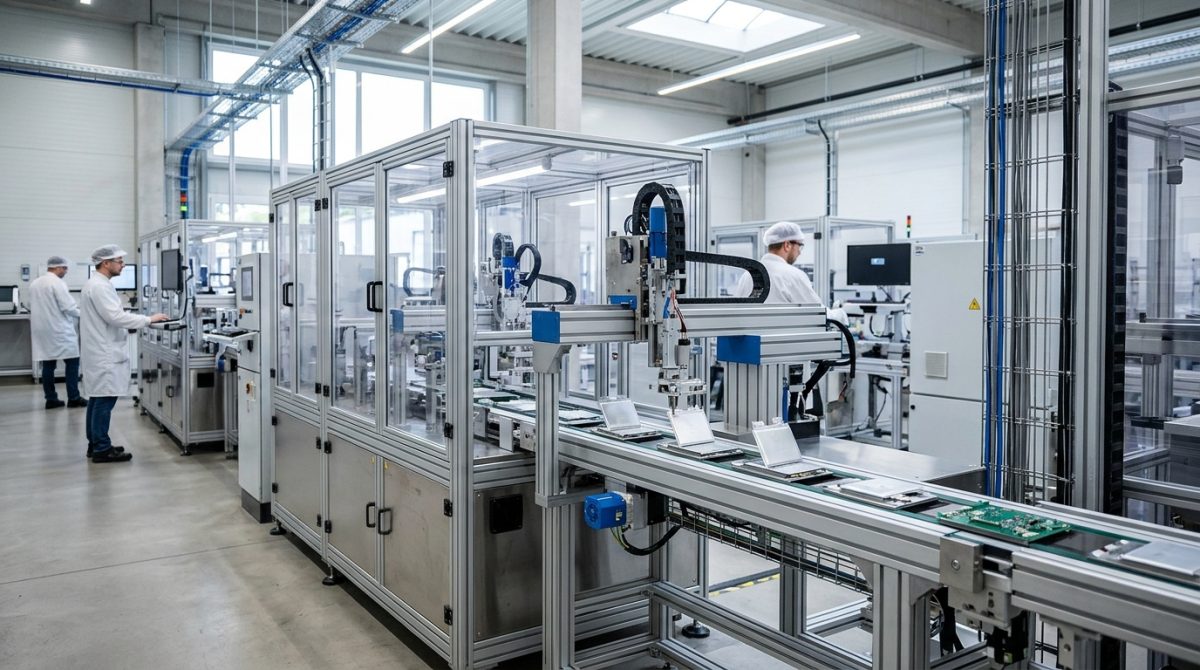
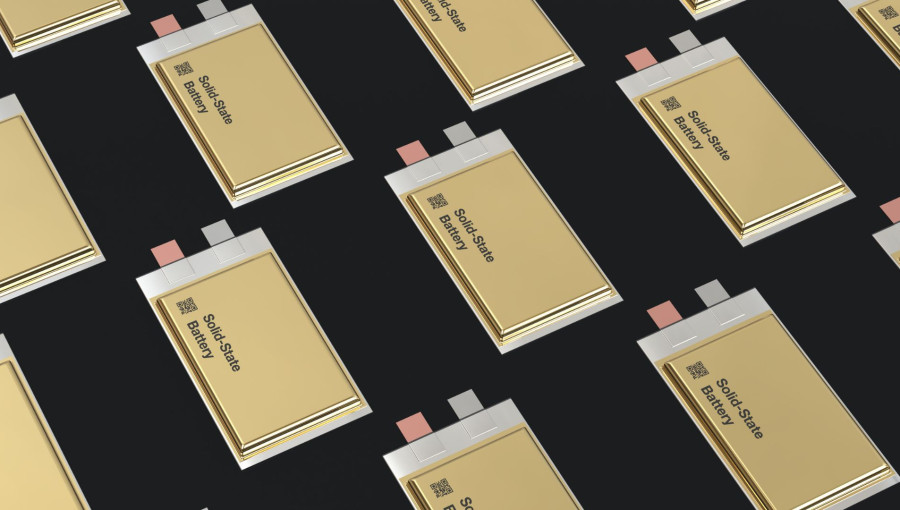
Chinese lithium giant Ganfeng Lithium has reached a significant milestone in battery technology, announcing the start of small-scale production for its 10Ah lithium metal solid-state batteries. These units boast an impressive energy density of 500 Wh/kg, marking a major step forward in the development of next-generation power sources for electric vehicles. As the world’s leading manufacturer of lithium metals, Ganfeng is leveraging its extensive supply chain and partnerships with major global automakers to advance two distinct solid-state approaches, including silicon-based and lithium metal anode designs, which promise to enhance the range, safety, and efficiency of future electric transport.
The company’s latest advancement involves a "zero-strain" lithium alloy anode paired with a sulfur cathode. This design is engineered to improve both thermal and electrochemical stability, effectively preventing unwanted lithium movement during operation. Testing has shown that the lithium alloy anode expands by only 3% to 5% during full charge-and-discharge cycles. Furthermore, the technology has demonstrated resilience in rigorous safety assessments, including nail penetration and heating tests, where it successfully withstood temperatures reaching 250°C. These developments are intended to accelerate the industrialization of high-energy-density solid-state batteries for the automotive sector.
Ganfeng is also making progress with its silicon-based solid-state technology, which currently achieves an energy density of 400 Wh/kg. The company confirmed that these units have surpassed 1,100 cycles and are now prepared for large-scale production. These efforts complement a broader industry trend, as manufacturers like FAW Group, BYD, and CATL continue to push the boundaries of battery performance. While mass production of solid-state technology is generally expected toward the end of the decade, these breakthroughs in energy density and stability are critical to overcoming current limitations in electric vehicle range and charging speeds.