Geopolitical Tensions Accelerate Global Shift To Renewable Energy
Geopolitical instability and fossil fuel supply disruptions are driving a rapid global shift toward renewable energy as both nations and individuals seek energy independence. Cuba, in particular, has undergone a massive structural change, tripling its solar generation to over 20 percent of its total output in just one year. This transition, fueled by international partnerships and the need to bypass economic blockades, serves as a blueprint for energy sovereignty. Meanwhile, in the United States, rising tensions in the Middle East have sparked a significant increase in consumer demand for residential solar panels and electric vehicle infrastructure.
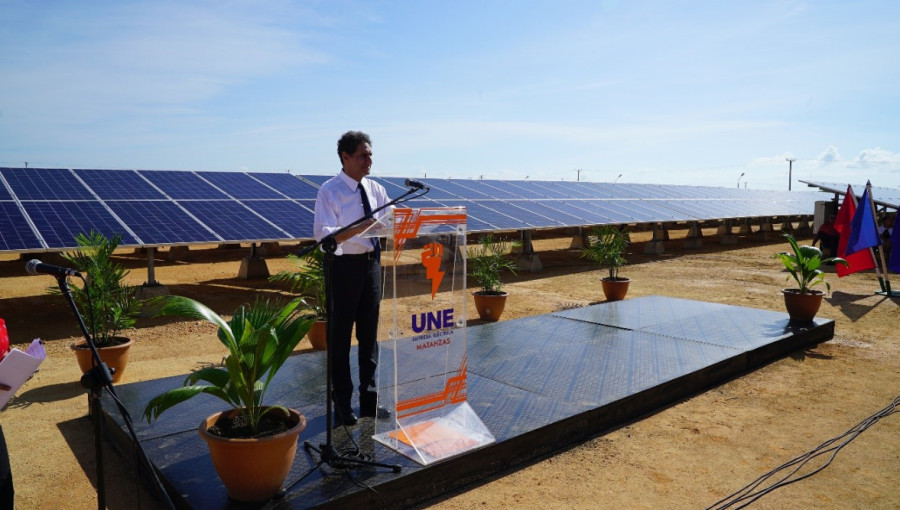
Cuba’s energy landscape has been transformed by a desperate need to break its reliance on imported oil. Located approximately 145 kilometers south of Florida, the island has historically been vulnerable to supply chain disruptions and external political pressure. However, over the past 12 months, the nation has connected 49 new solar installations to its grid, adding more than 1,000 megawatts of capacity. This expansion represents one of the fastest renewable energy transitions ever documented in a developing nation, moving the country toward a goal of total energy sovereignty.
A major milestone in this transition occurred on February 11, 2026, when Cuba generated more than 900 megawatts from solar panels for the first time, breaking a record set only 24 hours earlier. The speed of this rollout has been facilitated by technical and financial assistance from China, with some solar facilities reaching grid synchronization within 35 days of the equipment arriving on the island. The long-term strategy involves the completion of 92 solar parks by 2028, aiming for a combined capacity of 2,000 megawatts—a figure that matches Cuba’s current total generation from fossil fuel sources.
In addition to large-scale solar farms, the country is diversifying its renewable portfolio with projects like the La Herradura 1 wind farm. This facility will utilize 22 wind turbines to contribute 33 megawatts to the national grid. Experts estimate that every megawatt of renewable energy installed eliminates the need to import roughly 18,000 tons of fuel. While the progress is substantial, the island still faces challenges regarding battery storage. To ensure a stable power supply after sunset, Cuba will require an estimated 600 megawatts of battery storage by 2028, a critical component that is currently lagging behind solar module installation.
The push for renewables is also occurring at the grassroots level. In Havana and other urban centers, private business owners are increasingly installing solar panels on rooftops and in yards to maintain operations during grid failures. The Cuban government has supported this move by offering significant tax incentives, including an eight-year exemption from personal income taxes for those who invest in renewable energy projects.
This trend of seeking "personal energy dominance" is not exclusive to islands facing blockades. In the United States, market data shows a sharp rise in interest for home-based clean energy following recent conflicts in the Middle East. EnergySage reported a 17 percent increase in homeowners seeking solar panel quotes and a 30 percent jump in requests for EV charger installations shortly after regional tensions escalated. As fossil fuel prices remain volatile and supply lines vulnerable, the transition to wind and solar is increasingly viewed not just as an environmental choice, but as a strategic necessity for economic and personal security.