France Leads Global Electrification For Energy Security
France has initiated a major national shift toward electrification in response to energy security concerns linked to the Strait of Hormuz crisis. The French government is nearly doubling its annual support for electrification, increasing funding from €5.5 billion to €10 billion through 2030. This strategy targets the two largest areas of fossil fuel dependence: transport and heating. While France leads with formal policy, global market indicators suggest a broader, consumer-driven transition is already underway as households and industries seek to hedge against volatile liquid fuel prices and supply chain vulnerabilities.
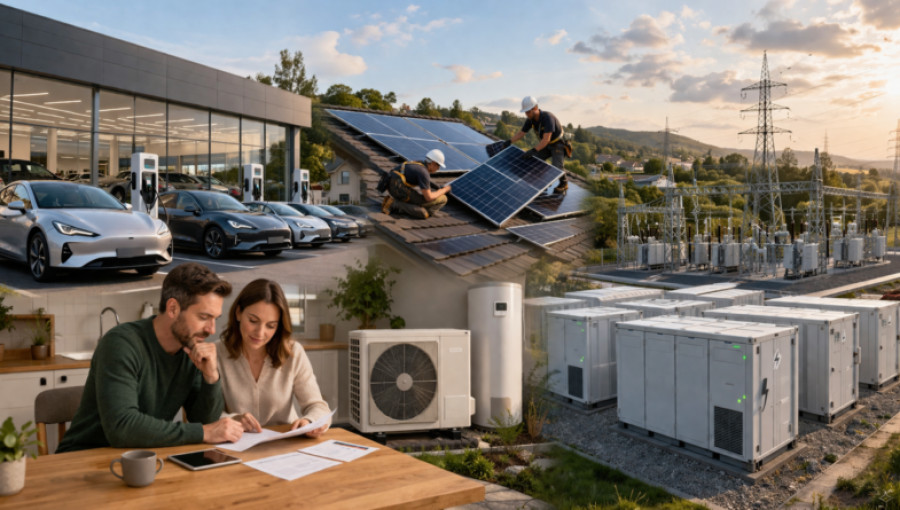
The French electrification package introduced a series of aggressive measures designed to replace imported fossil fuels with domestic electricity. Key components include a ban on gas heating systems in new buildings starting in late 2026 or 2027 and a long-term phase-out of gas across 2 million social housing units by 2050. To support this transition, Paris has set a production target of 1 million French-made heat pumps per year by 2030. In the transport sector, the government is offering subsidies for 50,000 electric vehicles aimed at high-mileage drivers, alongside grants of up to €100,000 for businesses purchasing electric trucks or vans.
Beyond France, European markets are showing significant momentum. In Germany, registrations for battery electric vehicles surged by over 66% in March, while the United Kingdom saw electric models reach a record 22.6% market share. Early indicators, such as online searches and inquiries, suggest even higher future demand; France’s La Centrale reported a 160% increase in electric vehicle searches, and British Gas noted a 250% rise in solar panel inquiries. These figures indicate that high fuel prices are rapidly improving the relative economics of electric drivetrains and home heating alternatives.
The Asia-Pacific region is also witnessing a sharp pivot due to its heavy reliance on energy flows through the Strait of Hormuz. Australia saw electric vehicle loan applications double in a single month, while South Korean registrations more than doubled year-over-year. In many of these markets, the consumer response has outpaced government policy. While some nations are still focused on managing fuel supplies through diplomacy or temporary tax cuts, private capital is increasingly moving toward electrification as a more stable, long-term alternative.
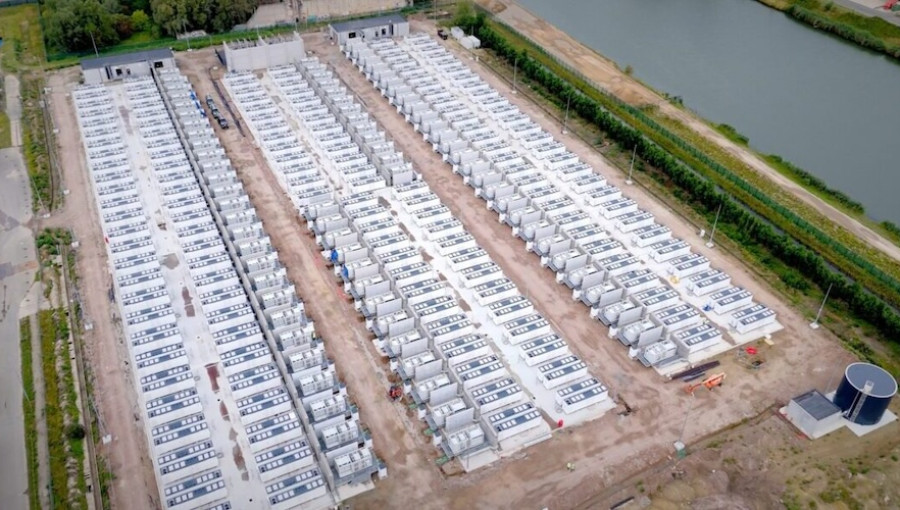
However, the transition faces significant structural and geopolitical hurdles. The European Union remains heavily dependent on China for solar module and battery imports, prompting discussions about "Made in Europe" requirements for green technology. Additionally, grid bottlenecks threaten to stall progress; in Europe alone, approximately 120 GW of renewable projects face delays due to interconnection issues. Turkey has emerged as a leader in addressing this "plumbing" problem, approving over 33 GW of battery storage to ensure its grid can handle increased renewable integration.
In developing economies, the transition is more complex. Countries like India and Pakistan are expanding solar panel installations at a massive scale—India alone added 150 GW of solar capacity in 2025—yet they must balance this with immediate measures to manage fuel inflation and energy shortages. Ultimately, the global trend suggests that electrification is no longer viewed solely through an environmental lens. It has become a fundamental strategy for economic resilience, as nations attempt to decouple their economies from the volatility of the global fossil fuel trade.