Google Signs Agreement for 50 Megawatts of Superhot Geothermal Power
The deal with startup Quaise Energy will support Google's data center operations in Oregon starting as early as 2030.
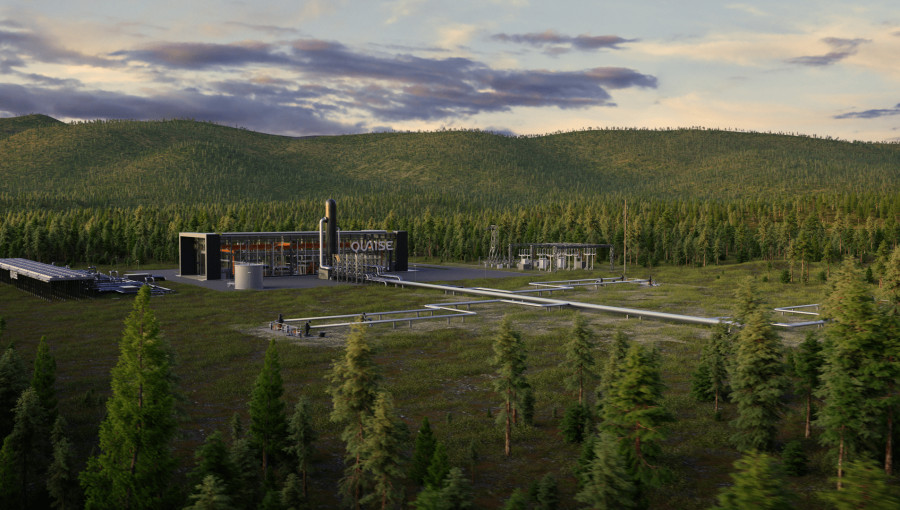
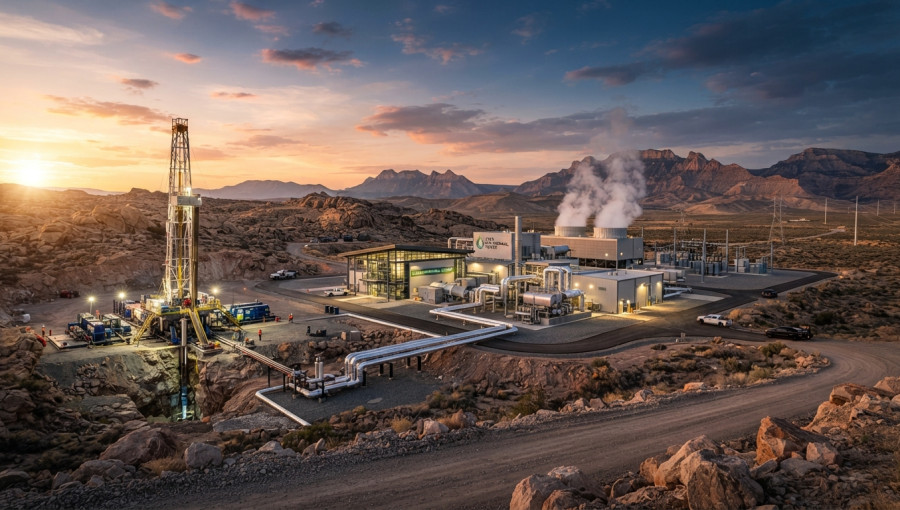
Google has entered into an agreement to purchase 50 megawatts of carbon-free electricity from a new geothermal project in central Oregon. The project, known as Project Obsidian, is being developed by Houston-based startup Quaise Energy near the Newberry Volcano. Google intends to utilize this power to support its existing data center operations in the northwest region of the state by 2030.
The contract is valued at more than $500 million. Quaise Energy is currently seeking additional customers for a further 200 megawatts of capacity at the Oregon site. The company estimates that the construction of Project Obsidian will cost approximately $350 million. In August, Quaise raised $180 million in equity financing, which included support from the drilling firm Nabors Industries.
Quaise plans to employ a combination of conventional oil-and-gas drilling techniques and its own proprietary millimeter-wave technology. The company intends to drill approximately 2.5 miles deep using standard tools before switching to high-frequency beams designed to melt and vaporize rock. This approach aims to access superhot geothermal resources with temperatures exceeding 572 degrees Fahrenheit, allowing for higher energy extraction from fewer wells.
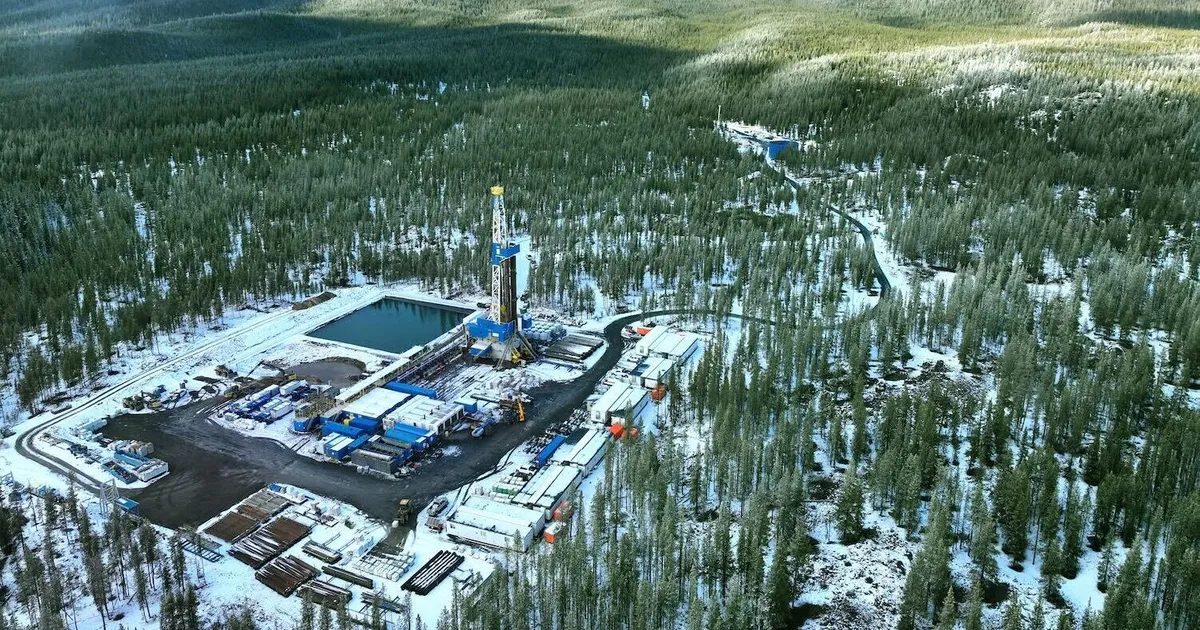
The startup is currently testing its drilling technology at a site in central Texas, where it previously penetrated over 330 feet of granite and is working toward a depth of more than 3,200 feet. While the company initially plans to develop an enhanced geothermal system by fracturing rock and circulating water to drive turbines, its long-term goal is to reach significantly higher temperatures than traditional geothermal plants.
This agreement is part of a broader trend of technology companies securing around-the-clock clean power for data center expansion. Other firms, including Fervo Energy, Sage Geosystems, and XGS Energy, have recently secured similar partnerships with major tech corporations. Google, which is also investing in advanced nuclear power and long-duration energy storage, stated that fostering such energy ecosystems is essential to meeting its power requirements and grid impact goals.