World First Superhot Geothermal Power Plant In Oregon
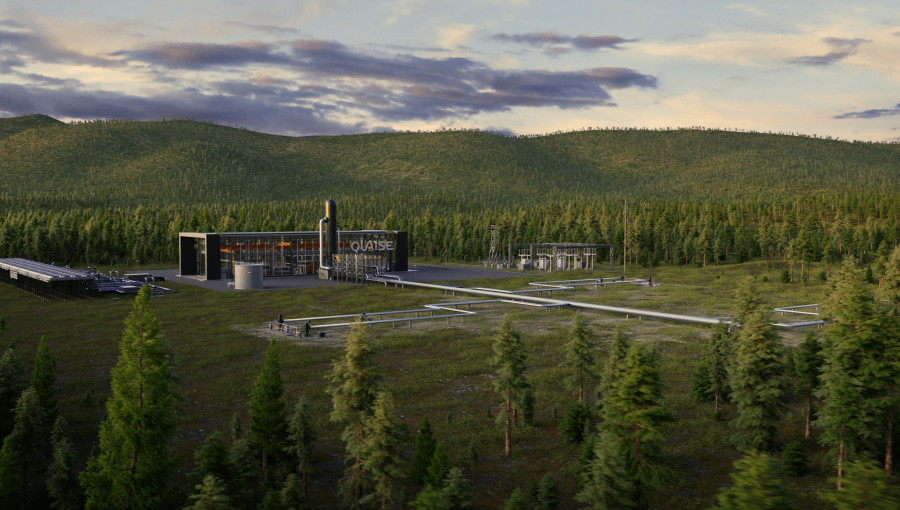
Quaise Energy is spearheading a groundbreaking initiative in Oregon known as Project Obsidian, aiming to launch the world's first 50-megawatt superhot geothermal power plant by 2030. Utilizing advanced millimeter-wave drilling technology to reach depths of five kilometers, the facility targets rock temperatures exceeding 300°C. This innovative approach promises a high-density, constant renewable energy source with a significantly smaller land footprint than traditional solar or wind farms. If successful, the project could expand to a gigawatt capacity, marking a major milestone in deep geothermal energy extraction.
Houston-based startup Quaise Energy has announced progress on its ambitious Project Obsidian, which aims to harness the intense heat found deep within the Earth's crust. The Oregon-based facility is designed to be the world’s first power plant utilizing superhot geothermal energy, with an initial capacity of 50 megawatts. Construction is already underway, and the company expects the site to begin operations as early as 2030, providing a consistent source of carbon-free baseload power.
The technology behind the project involves reaching rock temperatures above 300°C, a threshold where geothermal energy becomes significantly more energy-dense than conventional systems. To access these depths, Quaise is developing a specialized drilling method that uses millimeter wave energy to melt and vaporize rock. This technique allows for drilling much deeper than traditional mechanical bits, which typically degrade quickly when exposed to the extreme heat and pressure found several kilometers underground.
Project Obsidian is situated at a Tier I site where these extreme temperatures are reachable at a depth of approximately five kilometers. The first phase of the project will utilize two different well systems to test various temperature zones—one reaching 315°C and another targeting 365°C. This strategy is intended to reduce technical risks by allowing engineers to refine their processes in the cooler zone before proceeding to the hotter, more challenging environment. A confirmation well is slated for operation later this year to gather essential data on rock strength and fluid behavior.
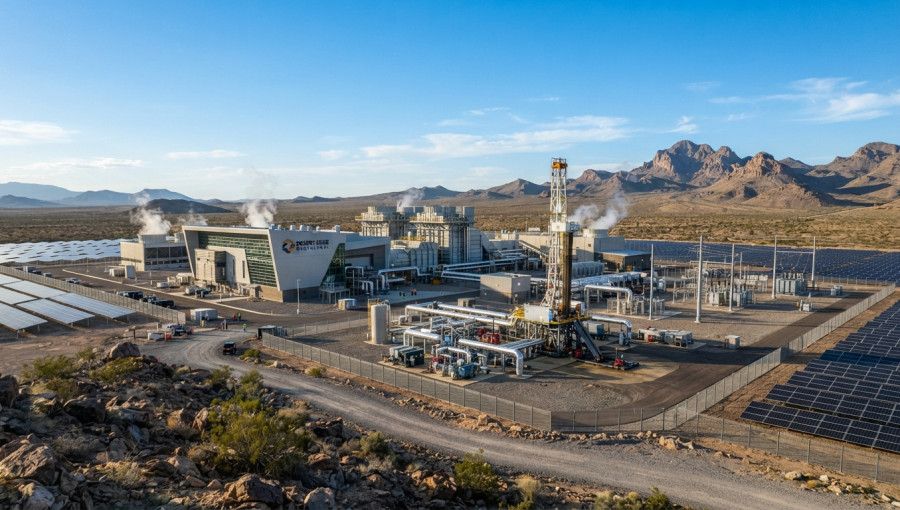
The project’s long-term vision is substantial, with plans to eventually scale the Oregon site to 250 megawatts and potentially reach a total output of one gigawatt. Despite its high power potential, the initial facility will have a remarkably small surface footprint of approximately eight hectares, making it far more land-efficient than comparable solar or wind installations.
While the potential is high, Quaise engineers are still working to resolve several technical variables, such as the mineral content of the produced water and the final configuration of the power plant. If the project meets its performance goals, these superhot geothermal wells could rival the energy output of the most productive oil and gas wells while contributing to a significant reduction in CO2 emissions. By unlocking deep geothermal resources, the company hopes to move beyond the geographic constraints that currently limit such energy sources to specific volcanic regions.