Hydrogen Fuel Cell Vehicles Face Stiff Competition From Battery Electric Alternatives
Despite industry efforts to promote hydrogen for heavy transport, data shows battery electric vehicles are rapidly scaling while hydrogen adoption remains limited.
 Play video
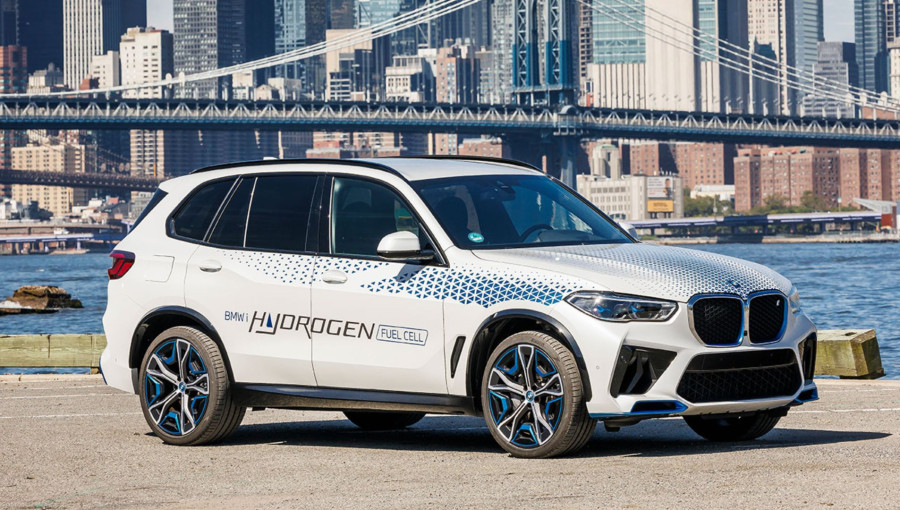
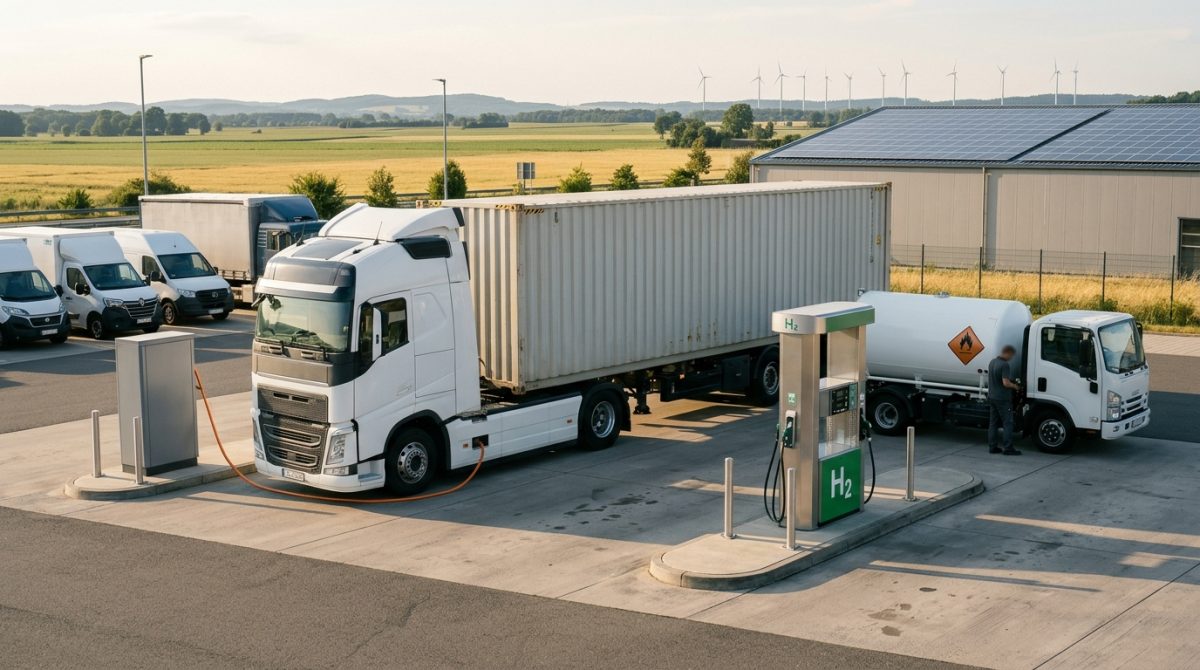
Recent industry announcements have sparked renewed interest in hydrogen-powered vehicles, with major manufacturers like JCB, Volvo, and Daimler Truck showcasing hydrogen-based heavy-duty machinery and trucks. Despite this, data from SNE Research indicates that the global market for hydrogen fuel cell vehicles remains small, with the entire European market selling only 14 units in the first half of 2026.
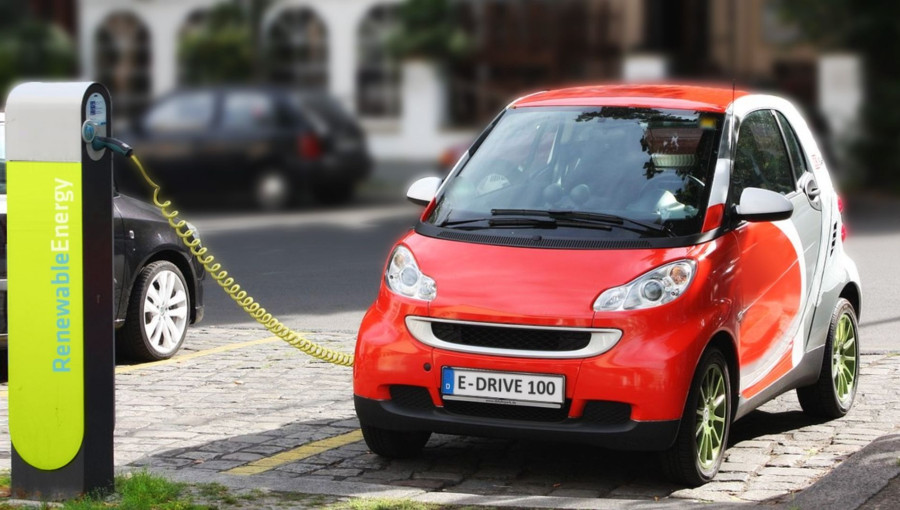
In contrast, battery electric technology is gaining significant traction. Battery electric buses accounted for approximately 28% of European bus and coach sales during the same period, while battery electric medium-sized trucks reached a 21% market share. Even in the heavy-duty sector, where electrification is more challenging, battery electric sales have nearly doubled compared to the previous year.
The push for hydrogen persists despite these figures, supported by a coalition of companies including Toyota, Bosch, and TotalEnergies. However, energy analysts suggest that hydrogen's efficiency is significantly lower than that of battery electric vehicles. A battery electric vehicle, powered by renewables, achieves a grid-to-wheel efficiency of approximately 75%. Conversely, hydrogen requires multiple energy-intensive stages, including electrolysis, compression or liquefaction, and conversion back to electricity, resulting in substantial energy losses.
Furthermore, the infrastructure required for hydrogen transport is largely non-existent and costly to build. A study published in Nature Communications in August 2026 suggests that by 2030, battery electric trucks could outperform diesel in total cost of ownership for 70-90% of European heavy-duty freight activity. The window for hydrogen fuel cell trucks to achieve similar cost-competitiveness is significantly narrower.
The challenges are exemplified by the city of Aberdeen, Scotland, which once aimed to be a pioneer in hydrogen transport. After acquiring 25 hydrogen double-decker buses, the city recently decided to dispose of the entire fleet due to ongoing technical and infrastructure issues, shifting its focus toward battery electric buses instead. Industry experts note that hydrogen's role in transport may be limited, as it faces stiff competition from rapidly maturing battery electric technologies.