Battery Electric Vehicles Dominate Passenger Market Over Hydrogen
The debate between battery-electric vehicles and hydrogen fuel-cell vehicles centers on how they store and utilize energy, rather than a fundamental difference in propulsion, as both rely on electric motors. While both technologies offer zero tailpipe emissions, battery-electric vehicles are significantly more efficient, converting over 70 percent of electricity to wheel power. In contrast, the complex hydrogen supply chain results in a well-to-wheel efficiency of roughly 20 to 30 percent. Consequently, battery-electric vehicles are positioned to dominate the passenger car market, while hydrogen is expected to serve specialized roles in heavy-duty and long-haul commercial transport.
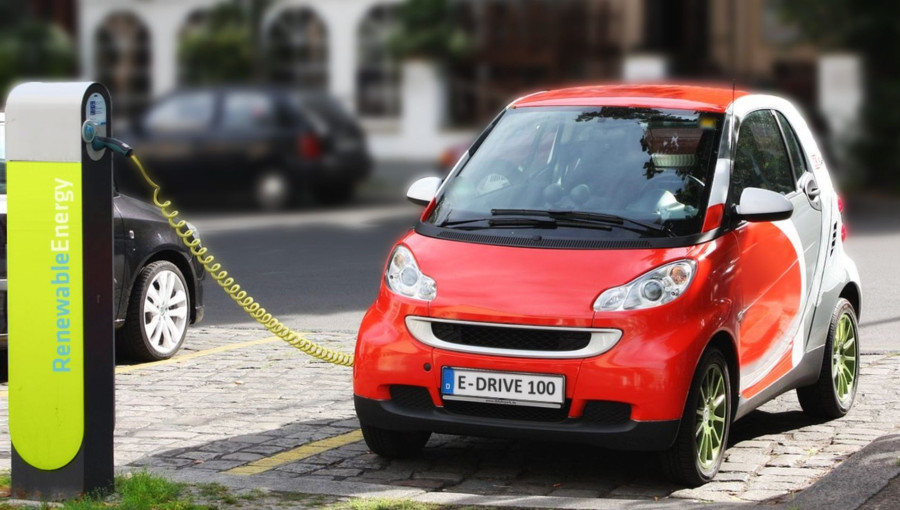
Battery-electric vehicles store energy directly in lithium-ion batteries, allowing them to leverage existing electrical grids for charging at home, work, or public stations. This direct energy path makes them more cost-effective to operate. Although hydrogen vehicles offer advantages in refueling speed—often taking only five minutes—and extended range, these benefits are primarily valuable for commercial fleets, buses, and long-haul trucks that require rapid turnaround times and high payload capacities. For the average private driver, the convenience of existing charging infrastructure and the superior energy efficiency of battery-electric models make them the more practical choice for daily transportation.
Infrastructure remains a significant hurdle for hydrogen adoption. Unlike battery-electric vehicles, which utilize the widespread electricity network, hydrogen requires an entirely new supply chain involving production, compression, storage, and specialized refueling stations. Furthermore, the environmental impact of hydrogen depends heavily on its production method. Currently, the vast majority of hydrogen is derived from fossil fuels like natural gas, with low-emission hydrogen accounting for less than 1 percent of global production as of 2024 and 2025. For hydrogen to be a truly sustainable alternative, it must transition to renewable production sources.
Market data reflects the clear lead held by battery-electric technology. With global electric car sales surpassing 20 million in 2025, they have captured approximately 25 percent of the total market, a figure projected to rise to 28 percent by 2026. While the hydrogen fuel-cell vehicle market is expected to grow from $0.2 billion in 2024 to $2.1 billion by 2030, it remains a small fraction of the total zero-emission vehicle landscape. Ultimately, the future of transportation will likely be bifurcated: battery-electric vehicles will lead mainstream passenger travel, while hydrogen will address the specific needs of sectors that are difficult to electrify.