Lithium-Ion Market Dominance May Hinder Long-Duration Energy Storage Adoption
Financiers favor the proven bankability of lithium-ion batteries, potentially slowing the deployment of alternative technologies better suited for multi-day energy storage needs.
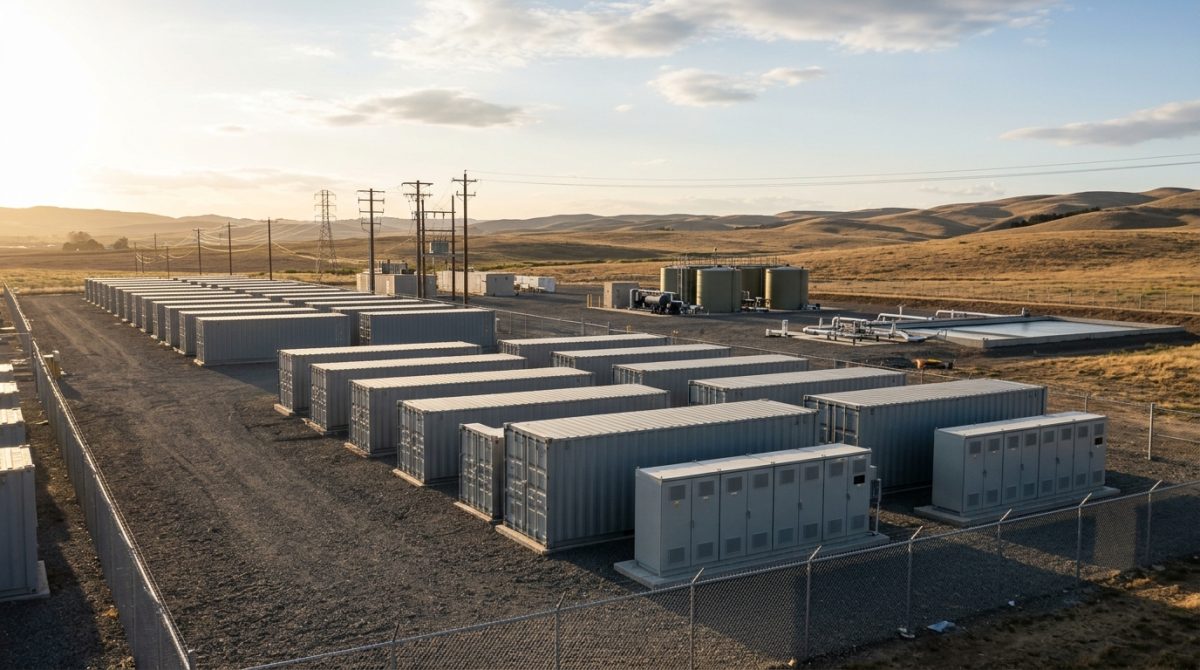
Lithium-ion battery energy storage systems have become the standard for grid stability and renewable energy integration, yet experts warn that their market dominance may be impeding the adoption of long-duration energy storage (LDES). While lithium-ion technology is commercially mature and cost-effective, its typical four-hour duration often falls short of the requirements needed to manage seasonal shifts or multi-day weather lulls.
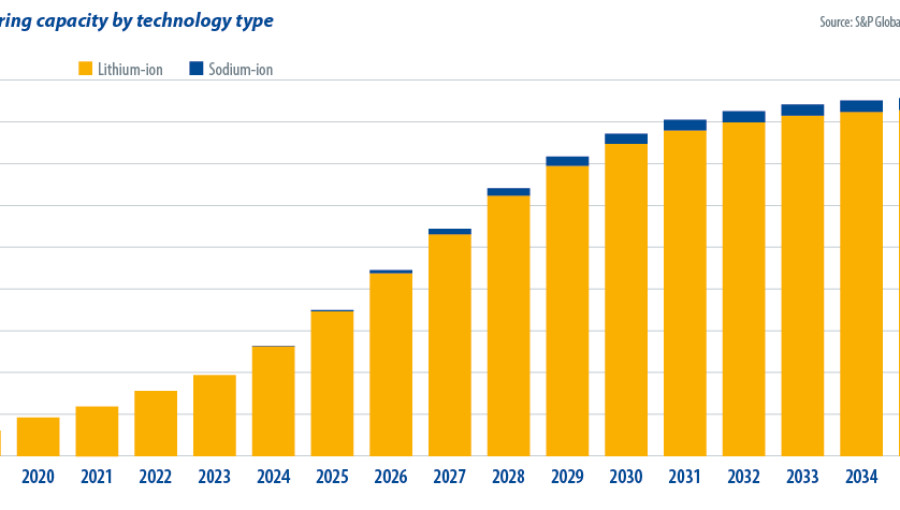
According to Will McNamara, a grid energy policy analyst at Sandia National Laboratories, LDES is generally defined as technologies capable of providing at least 10 hours of storage. Despite this, the industry frequently labels four-hour systems as long-duration. Currently, the United States leads global grid-scale storage, with over 50 GW of utility-scale lithium-ion capacity operating as of July 2026. Projections suggest this capacity could reach 200 GW by 2031.
Pumped hydro storage remains the primary source of true long-duration capacity, accounting for over 90% of the 16 GWh of total US LDES capacity. Researchers at the Pacific Northwest National Laboratory (PNNL) are studying how alternative storage technologies could support base generation more efficiently. Jeremy Twitchell of PNNL noted that while lithium-ion is currently the most cost-effective option for short-term needs, improving the round-trip efficiency of LDES technologies is essential for them to become competitive.
The primary barrier to commercializing LDES is not a lack of technology, but rather the challenge of bankability. Anna Siefken of the Long Duration Energy Storage Council explained that financiers require certainty regarding revenue and risk profiles, which lithium-ion currently provides more effectively than newer chemical, thermal, or mechanical alternatives. Furthermore, existing US electricity market mechanisms are designed to reward short-term power delivery rather than the multi-day reliability offered by LDES.
Industry advocates remain optimistic about future policy shifts. Siefken noted that upcoming state legislative sessions in early 2027 are expected to address dockets focused on LDES procurements and specific mandates for storage durations of eight hours or longer. These policy frameworks could help align market compensation with the unique value provided by long-duration storage solutions.