Sodium Ion Batteries Challenge Lithium Ion Dominance

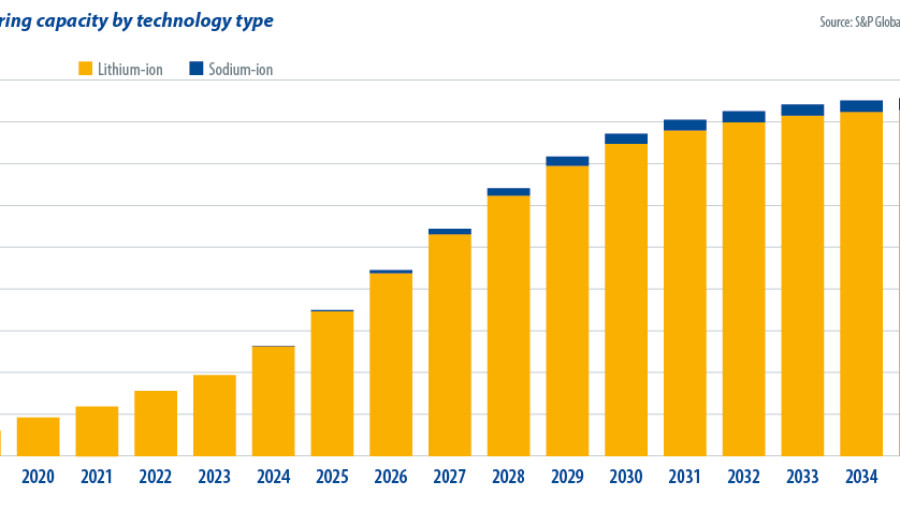
Sodium-ion batteries are rapidly approaching cost parity with lithium-ion technology, signaling a potential shift in the global energy storage market. A collaborative study by LUT University, the Karlsruhe Institute of Technology, and the University of Alcalá reveals that while sodium-ion cells currently lag in energy density, they are already economically competitive. As utility-scale projects reach the 100 MWh scale, researchers predict that established supply chains and "drop-in" manufacturing capabilities will allow sodium-ion batteries to eventually outperform lithium-ion alternatives in cost and stability by 2050.
The transition toward sustainable energy storage is entering a new phase as sodium-ion batteries (SIBs) emerge as a viable challenger to the long-standing dominance of lithium-ion batteries (LIBs). According to the latest research, SIBs have reached a level of maturity where their production costs are nearly equal to those of LIBs, despite not yet benefiting from the same economies of scale. While the gravimetric energy density of sodium-ion cells remains a primary hurdle for electric vehicle applications, experts suggest that the development of solid-state versions could soon bridge this gap.
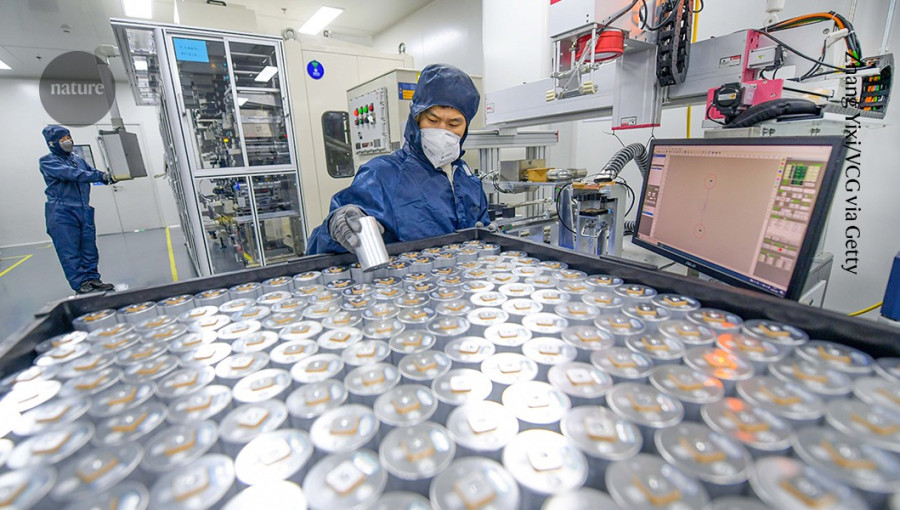
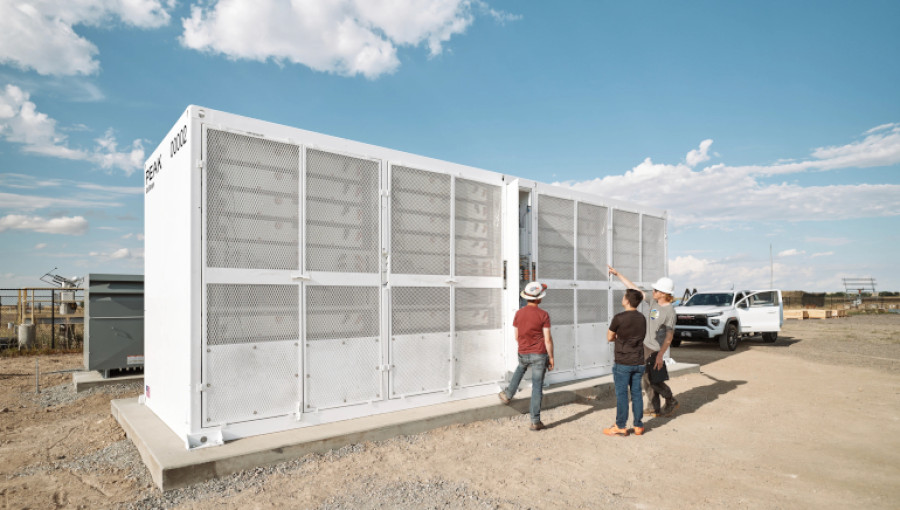
Dominik Keiner, a researcher at the LUT School of Energy Systems, notes that the first commercial utility-scale facilities are already being commissioned. These projects, some reaching 100 MWh in capacity, demonstrate that the technology is ready for full-scale market entry. One of the most significant advantages of SIBs is that they are considered a "drop-in" technology. This means they can be manufactured on existing LIB production lines with only minor adjustments, providing a safety net against lithium supply shortages or sudden price spikes.
The study utilized bottom-up cost modeling integrated with a global energy system model looking toward 2050. The findings suggest that battery costs will cease to be a limiting factor for the energy transition. By mid-century, the capital expenditure for utility-scale battery systems is projected to drop to between €28.5 and €51.9 per kWh. Furthermore, the analysis indicates that lower storage costs will lead to a massive expansion in battery capacity rather than simply increasing solar PV deployment. This surplus capacity is expected to support power-to-X processes, enhancing the flexibility of the global grid.
By 2050, the levelized cost of storage (LCOS) for sodium-ion batteries is expected to be significantly lower than that of lithium-ion, particularly in scenarios with high learning rates. Projections place the LCOS for SIBs between €11.2 and €13.6 per MWh, compared to €15.8 to €22.1 per MWh for LIBs. With stationary battery demand potentially reaching up to 106.5 TWh by 2050, the ability of sodium-ion technology to operate effectively across a wider temperature range and maintain high cycle counts positions it as a cornerstone of future energy infrastructure.