Low Rhine Water Levels Disrupt European Energy Supply Chains
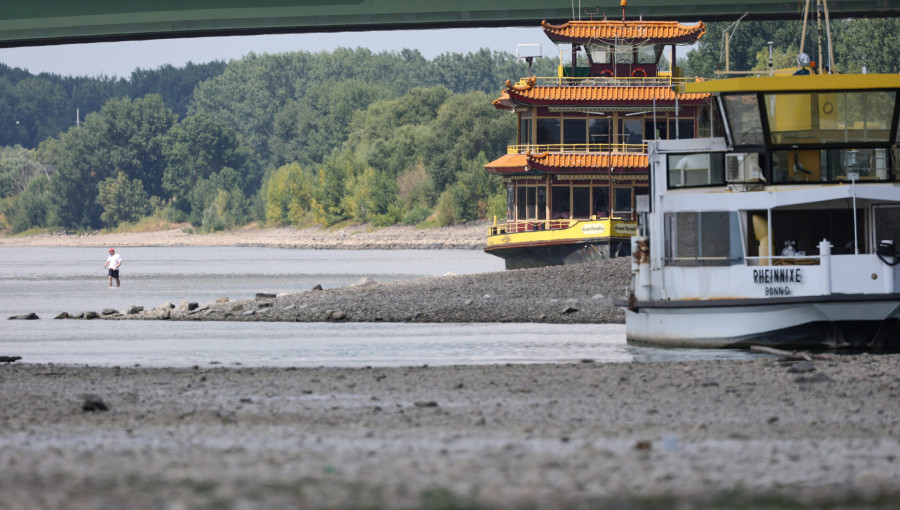
Extreme heat across Europe is threatening to push the Rhine River to its lowest water levels in 36 years, creating a severe bottleneck for critical energy and industrial supplies. As temperatures soar, shipping costs have surged to record highs, and the transport of coal and fuel to inland regions has been drastically curtailed. With little rainfall expected and further heat waves forecasted, the river’s capacity to support freight transport remains critically compromised, placing significant pressure on energy logistics and supply chains throughout Germany and Switzerland as the continent struggles to maintain its energy flow.
Water levels at the vital Kaub chokepoint have already receded to 28 centimeters, marking the lowest point recorded since 2018. Projections indicate that levels could drop further to 24 centimeters by the end of the week, which would represent the lowest measurement since data collection began in 1990. This decline is severely hampering the movement of essential commodities, including iron ore, oil products, and coal, which are typically transported along the 800-mile waterway from the North Sea toward southern Germany and Switzerland.
The logistical impact is already evident in the skyrocketing costs of shipping diesel from Rotterdam to Karlsruhe, which have reached their highest levels since 2009. Meanwhile, coal supplies are becoming trapped at major ports; inventories at the Amsterdam-Rotterdam-Antwerp hub have surged by approximately 75% since the spring. Because barge capacity for inland transport has been slashed by three-quarters, the river is effectively unable to facilitate the necessary delivery of fuel. Officials at Germany’s WSV have noted that the situation is becoming increasingly difficult, with no significant rainfall forecasted to alleviate the drought conditions.