
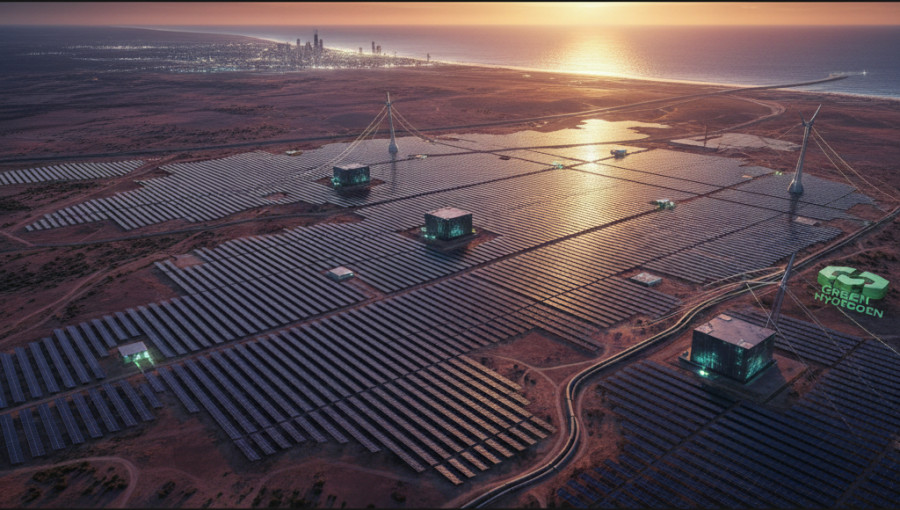
The rapid and large-scale deployment of solar energy infrastructure, sometimes referred to as a “solar storm,” is transforming the global approach to renewable power. These massive projects, some involving as many as 20 million photovoltaic units, are capable of generating electricity on par with conventional power plants. A prime example is an ambitious Australian initiative aiming to supply power to Singapore. While requiring substantial capital investment, these developments promise significant returns through energy independence, grid modernization, economic growth, and substantial environmental benefits by reducing reliance on fossil fuels.
A new era of mega-projects is redefining the potential of solar power. One of the most ambitious undertakings is a $24 billion Australian solar and battery farm designed to export gigawatts of electricity to Singapore. The plan involves transmitting the energy through a vast undersea cable, which would ultimately supply approximately 15% of the city-state’s energy needs and power an estimated three million homes. This project exemplifies a global trend toward large-scale, cross-border renewable energy solutions that leverage geographic advantages for mutual benefit.
The sheer scale of a development featuring 20 million photovoltaic units is immense. A single standard solar panel can produce up to 400 watts of power; when multiplied across millions of units, the total output can rival that of a traditional power plant, covering thousands of hectares. To be effective, such an installation must be paired with advanced energy storage systems and robust infrastructure. This combination ensures a stable and continuous supply of electricity to cities, stabilizing the grid and enhancing overall operational performance.
These solar initiatives are powerful catalysts for both economic development and technological advancement. They necessitate comprehensive grid modernization, which includes upgrading transmission systems with advanced lines and implementing smart digital monitoring to efficiently manage electricity flow and balance supply with demand. For countries with abundant sunlight, this creates new revenue streams through electricity exports and the production of green hydrogen. Furthermore, a reliable and clean power supply makes a region more attractive to international businesses, stimulating job creation and economic growth.
Beyond the economic advantages, the environmental and social impacts are profound. By replacing fossil fuels, large-scale solar farms significantly reduce air pollution and CO2 emissions, leading to improved public health. These resilient energy systems are also better equipped to withstand harsh weather conditions and heatwaves, ensuring a consistent power supply and preventing blackouts during climate-related events. Ultimately, these capital-intensive projects represent a critical investment in a sustainable and energy-secure future.