New German Recycling Method Recovers Valuable Solar Panel Materials
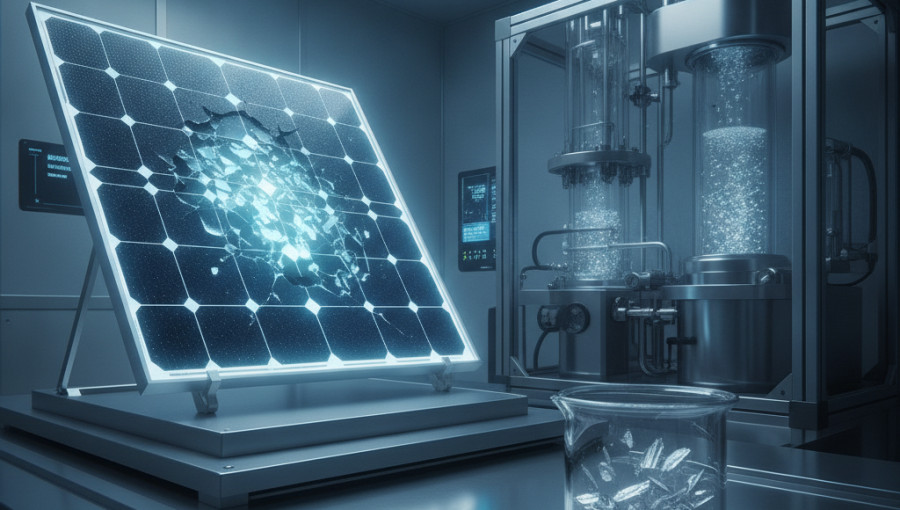
Researchers at Cologne Technical University have introduced a pioneering deep recycling method for photovoltaic modules that could transform how the industry handles end-of-life solar panels. With Germany projected to generate 5.6 million tons of solar waste by 2045, this technology offers a sustainable alternative to current mechanical recycling, which often discards valuable materials like silver, silicon, and copper. By utilizing light-pulse separation and chemical baths, this process recovers high-purity components, potentially slashing production costs by up to 77% while significantly lowering CO2 emissions and water usage, provided that current European regulatory frameworks are updated to prioritize material recovery.
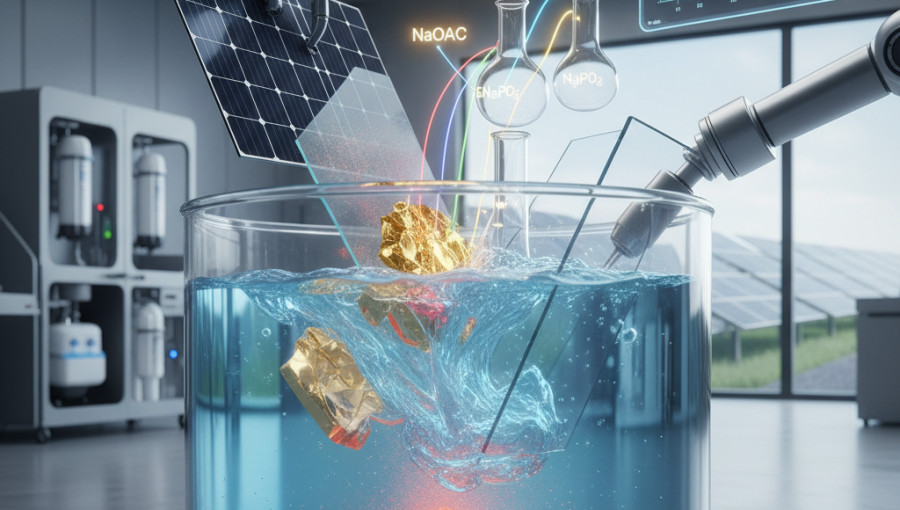
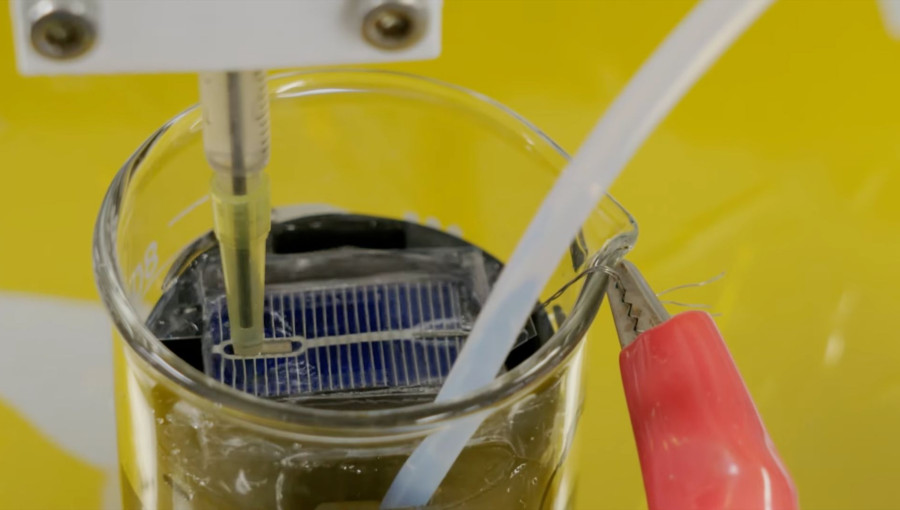
Current recycling practices primarily focus on recovering glass and aluminum, leaving the most economically significant materials—silicon, silver, and copper—to be lost or contaminated. Each ton of discarded solar panels holds roughly €1,175 in material value, with silver accounting for nearly half of that worth. The proposed German method addresses this inefficiency by using short, intense light pulses to disassemble panels without damaging the individual components. The silicon cells are then treated in a molten hydroxide mixture to extract silver at 99.57% purity, while copper is recovered through electrochemical processes, all while using significantly less energy than traditional pyrolysis.
The economic and environmental benefits of this closed-loop system are substantial. Researchers estimate that the cost of producing new solar modules could drop from €0.225 per watt to as low as €0.05 per watt. Beyond the financial savings, the process avoids approximately 2.15 tons of CO2-equivalent emissions per ton of panels produced and drastically reduces water consumption and raw material extraction. Despite these advantages, the technology faces hurdles from existing EU legislation, which currently mandates only an 85% mass recycling rate. This allows manufacturers to meet requirements by recycling only low-value materials like glass and aluminum.
To facilitate a transition toward a circular economy, the researchers advocate for a policy overhaul. They suggest that future regulations should incentivize the recovery of high-value materials and encourage manufacturers to design solar panels specifically for easier disassembly. By adjusting environmental fees to reward designs that simplify recycling and providing support for advanced processing facilities, the industry could shift away from a linear waste model. Such changes would not only improve the sustainability of the solar energy sector but also ensure that the most precious components of photovoltaic technology are preserved for future use.