
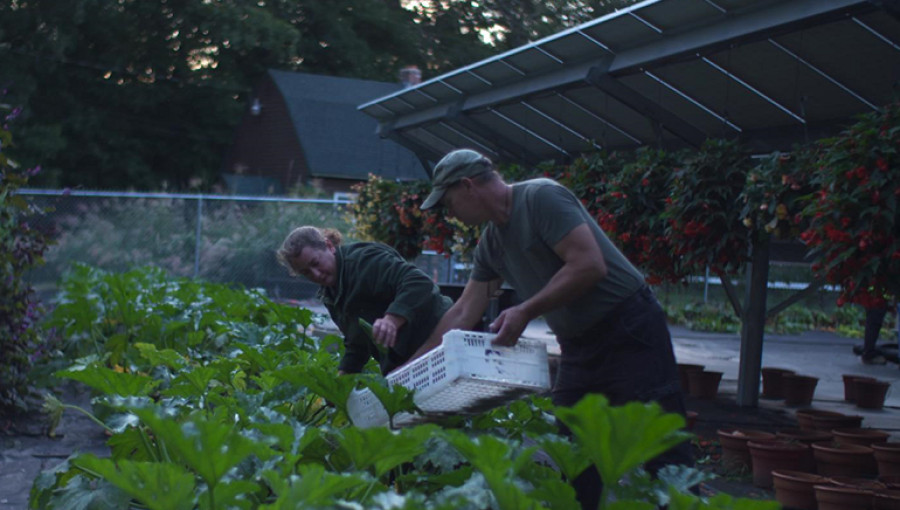
Okovate Sustainable Energy has finalized the acquisition of Fundusol, a specialized modeling platform developed through research at Stanford University and Carnegie Mellon University. This strategic move integrates advanced simulation technology into Okovate’s development process, allowing for more precise planning of agrivoltaic projects. By combining solar engineering with crop science, the company aims to provide farmers with data-driven insights to optimize land use for both renewable energy production and agricultural yields, ultimately strengthening the economic stability of rural communities through high-tech symbiosis.
Okovate Sustainable Energy, a developer specializing in agrivoltaic projects, has officially brought the Fundusol modeling platform in-house. Supported by backing from The Schmidt Family Foundation, the acquisition represents a significant shift toward precision-driven solar and crop co-location. The Fundusol technology stack is designed to simulate the intricate relationship between solar module architecture and crop phenology, providing a scientific basis for dual-use land development.
By incorporating this proprietary modeling engine into its internal pipeline, Okovate is transitioning from a standard project developer to a technical data partner for the agricultural sector. The company plans to build predictive AI tools on top of the existing genomic modeling engine. These tools are intended to translate complex solar engineering data into practical, actionable insights that help rural farmers understand how solar installations will impact their specific harvests and soil health.
Miles Braxton, CEO of Okovate, emphasized that the acquisition is central to making agrivoltaics a reliable reality for the American agricultural community. He noted that the focus is not merely on constructing energy projects but on providing the transparency and data-driven clarity needed to bolster the economic fabric of rural farming areas.
The core of the integrated platform utilizes the SIMulated PLant Ecosystem (SIMPLE) crop biomass model. This framework allows Okovate to project growth and harvest outcomes for more than 60 different crop varieties. By merging this biological data with proprietary models for irradiance and thermal dynamics, the company can create a highly detailed map of how a specific agrivoltaic layout will perform. This scientific approach ensures that the symbiosis between solar energy generation and food production is maximized for both efficiency and long-term sustainability.