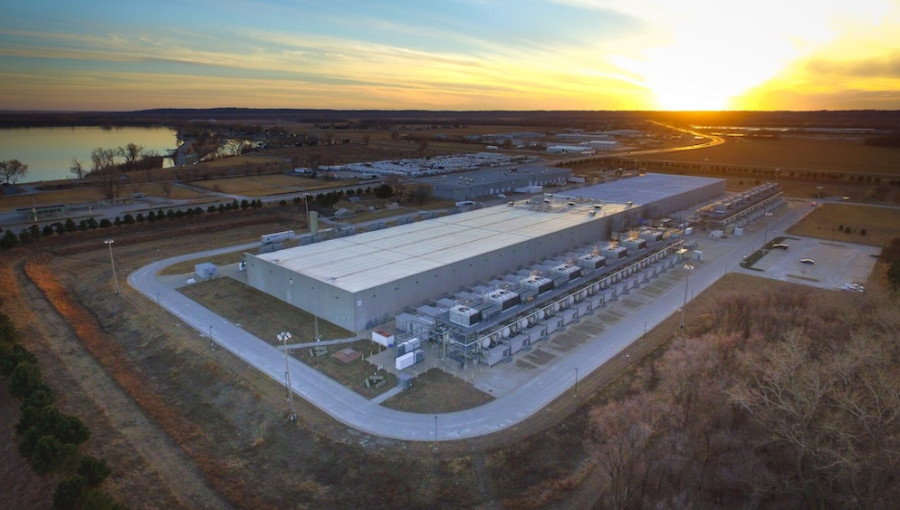
Researchers Argue Batteries Are Superior To Gas For Data Center Power
A new report suggests that energy storage offers a faster, cheaper, and more flexible alternative to fossil fuel generation for meeting surging data center electricity demand.
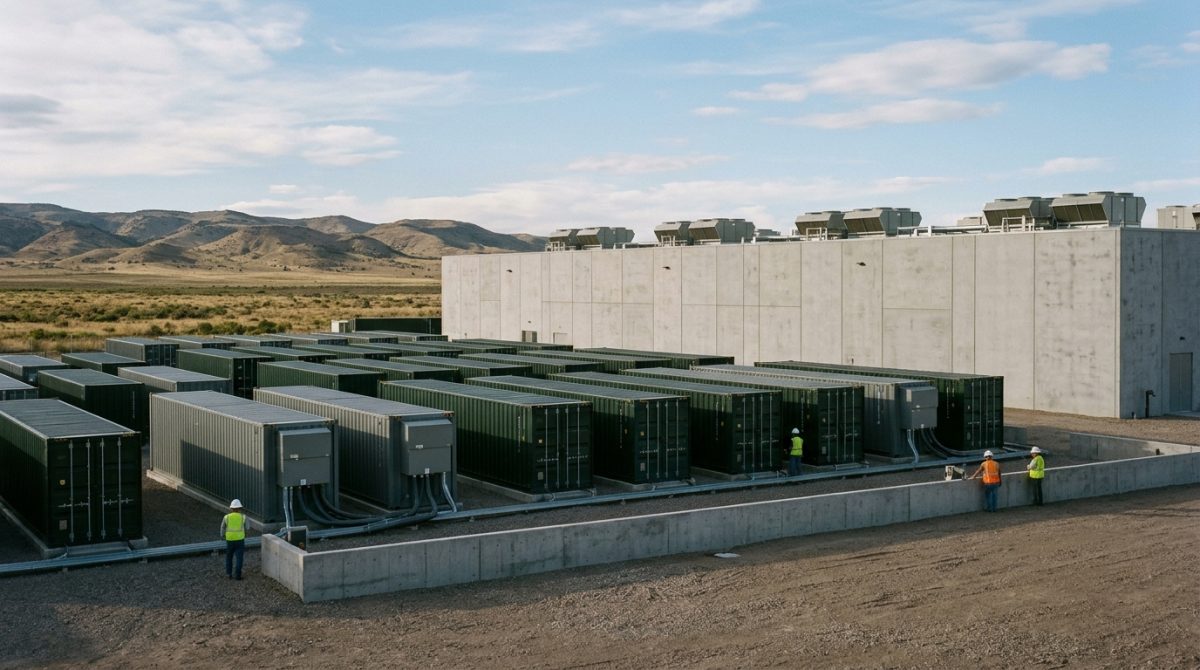
A new report from researchers at Duke and Georgetown universities suggests that batteries are a more effective solution than gas-fired power plants for meeting the rising electricity needs of data centers. While utilities are currently planning over 60 GW of new gas capacity and 90 GW of behind-the-meter gas generation to support the AI industry, experts warn that these investments carry significant financial and climate risks.
The study highlights that gas generation, often favored for its ability to provide round-the-clock power, risks becoming a stranded asset if data center demand fails to materialize or shifts unexpectedly. In contrast, batteries offer a modular and flexible alternative that can be scaled according to actual needs. Beyond providing power, battery systems act as grid shock absorbers, helping to manage the rapid load fluctuations associated with computing facilities while potentially reducing the need for expensive grid infrastructure upgrades.
According to Jackson Ewing, director of energy and climate policy at Duke University’s Nicholas Institute of Energy, Environment & Sustainability, lithium-ion batteries are already demonstrating significant deployment momentum compared to other emerging technologies like advanced geothermal or nuclear power. BloombergNEF forecasts that U.S. energy storage deployment will exceed 11,000 GWh by 2036, a projection driven largely by data center requirements.
The report outlines strategies for state regulators to encourage this transition. In states with regulated utilities, officials can implement clean energy tariff structures that require data centers to procure carbon-free generation and storage. In restructured energy markets, where regulators have less direct authority over independent power producers, states can utilize energy storage mandates and collaborate with regional grid operators to promote battery adoption.
Ian Hitchcock, a report co-author and senior program coordinator at the Duke Initiative for Science and Society, noted that there is significant inertia favoring natural gas. However, he emphasized that every jurisdiction has actionable paths to prioritize cleaner storage solutions if they choose to do so.