Rising Global Temperatures Trigger Widespread Public Health Emergency
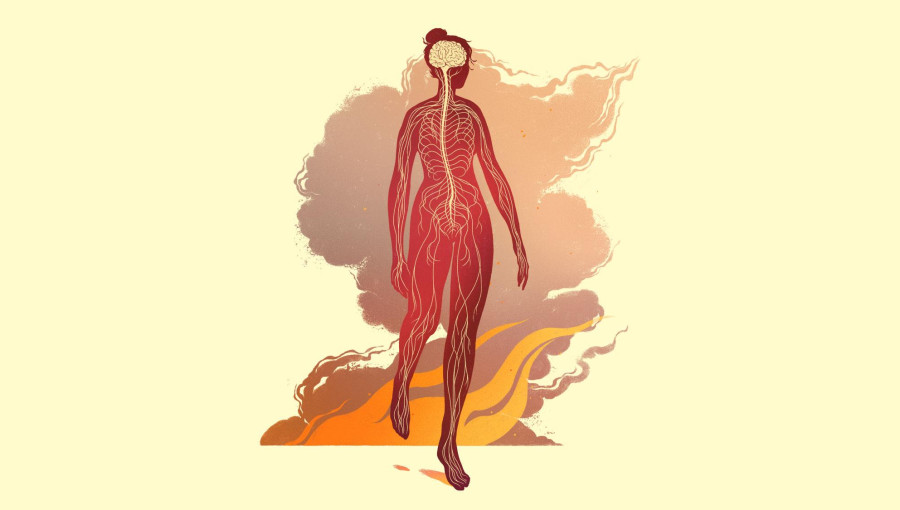
Medical professionals are increasingly warning that climate change poses a severe threat to human health, with rising greenhouse gas emissions linked to significant increases in mortality and illness. While the immediate dangers of extreme heat and wildfire smoke are well-documented, researchers are now uncovering how persistent, overlapping climate stressors impact vital bodily systems across the entire population. From cardiovascular strain and respiratory inflammation to neurological decline and gastrointestinal infections, the physical toll of a warming planet is becoming more pervasive, affecting everything from fetal development and maternal health to chronic organ damage in outdoor workers.
Extreme heat forces the heart to work significantly harder to regulate body temperature, leading to dehydration and increased cardiovascular stress. This strain is particularly lethal during hot nights, which prevent the body from recovering from daytime heat. Research suggests that if current emission trends persist, these warmer nights could account for a substantial percentage of heat-related deaths in East Asia by the end of the century. Beyond the heart, heat exposure is linked to higher rates of psychiatric emergencies, cognitive impairment, and a notable increase in violent crime.
Respiratory health is similarly under siege as climate change alters the environment. As more people reside in fire-prone regions, exposure to toxic wildfire smoke—containing particulate matter and volatile organic compounds—has become a major health crisis. This pollution infiltrates the bloodstream, triggering systemic inflammation and exacerbating conditions like asthma and skin disorders. Simultaneously, rising temperatures are lengthening allergy seasons and promoting the growth of ground-level ozone and indoor mold, further compromising lung function and overall respiratory well-being.
The impacts extend to reproductive and gastrointestinal health as well. Pregnancy risks, including preterm birth and hypertension, are rising due to heat stress and the expansion of disease-carrying insects into new territories. Meanwhile, warmer water temperatures and flooding are facilitating the spread of foodborne pathogens and marine bacteria, increasing the prevalence of severe infections. Furthermore, chronic exposure to extreme heat is causing long-term kidney damage among outdoor laborers, a trend observed in agricultural and construction sectors globally. These findings highlight that climate change is not merely an environmental issue, but a profound public health emergency.