Sodium-Ion Batteries Emerge As Viable Alternative For Utility-Scale Energy Storage
Technological advancements in energy density and cycle life are narrowing the performance gap between sodium-ion and lithium-ion batteries for stationary applications.
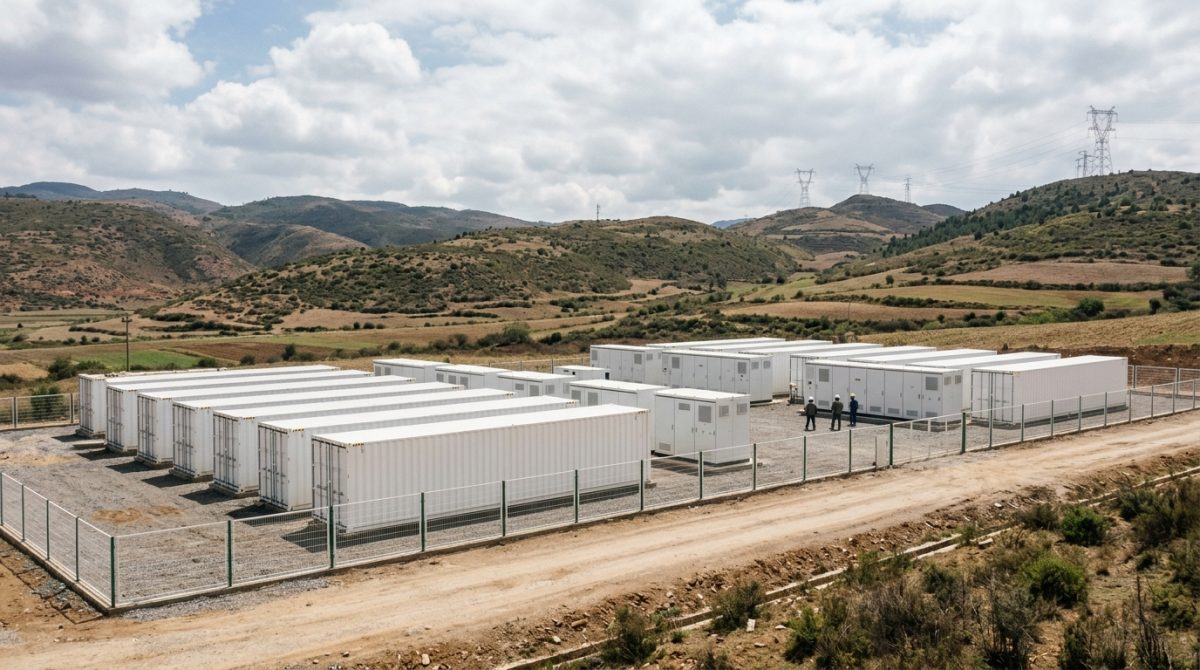
Sodium-ion battery technology is increasingly positioned as a competitive alternative to lithium-ion systems for stationary energy storage. Improvements in energy density, safety, and manufacturability have driven this development, according to Silvia Bodoardo, a professor at the Polytechnic University of Turin and representative for the Batteries European Partnership Association (BEPA).
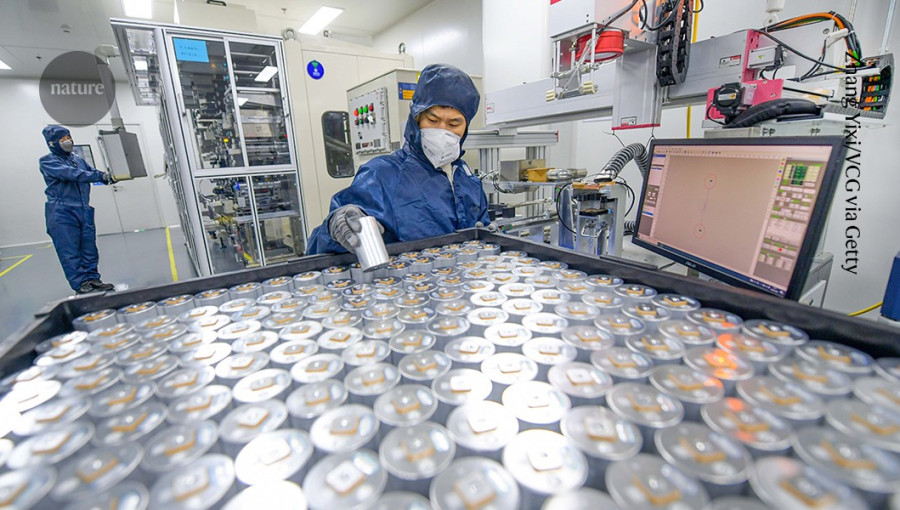
Commercial sodium-ion cells now reach energy densities of approximately 175 Wh/kg, approaching the 205 Wh/kg typical of advanced lithium iron phosphate (LFP) batteries. While lithium-ion remains dominant in electric vehicles, Bodoardo noted that the weight difference is less critical for stationary storage, making the narrowing gap highly significant for grid-scale applications. Furthermore, cycle life has improved, with commercial-grade cells maintaining over 95% capacity after 5,000 full-depth cycles.
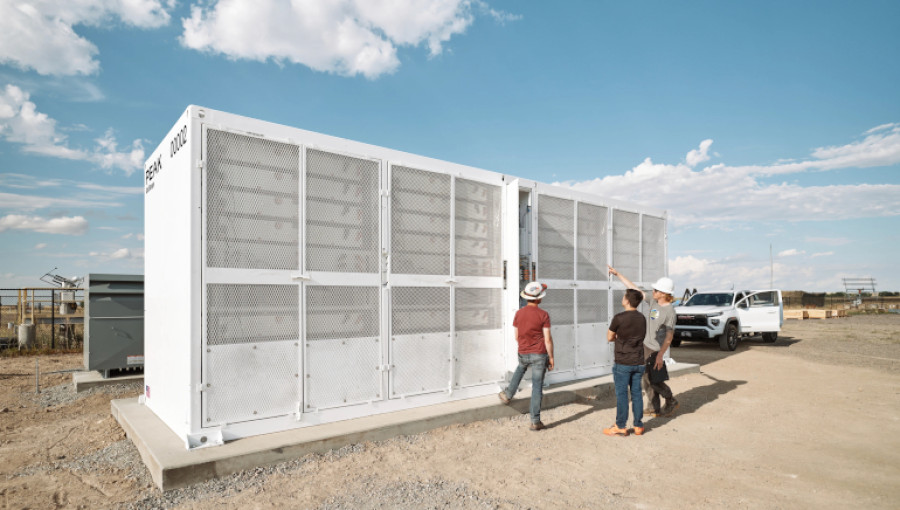
Technical progress also extends to temperature resilience. CATL’s second-generation sodium-ion technology functions between -40 C and 70 C, retaining about 90% of its capacity at the lower extreme. Commercial adoption is accelerating, notably in China, where CATL launched a sodium-ion battery energy storage system in June 2026. The company anticipates reaching 1 GWh in cumulative shipments by the end of the year, with international deliveries planned for 2027.
The broader energy storage market is diversifying, with non-lithium technologies increasingly targeting specific durations. While sodium-ion competes with LFP for multi-hour storage, other chemistries are focusing on long-duration needs. Vanadium redox flow batteries are advancing toward megawatt-hour and gigawatt-hour scales, while zinc-based and iron-air technologies are also targeting long-duration roles. In Europe, companies including Altris, Clarios, and InoBat recently announced the successful customer validation of a regional sodium-ion battery platform.