Bihar Batteries And NX Scale Sodium Ion Technology
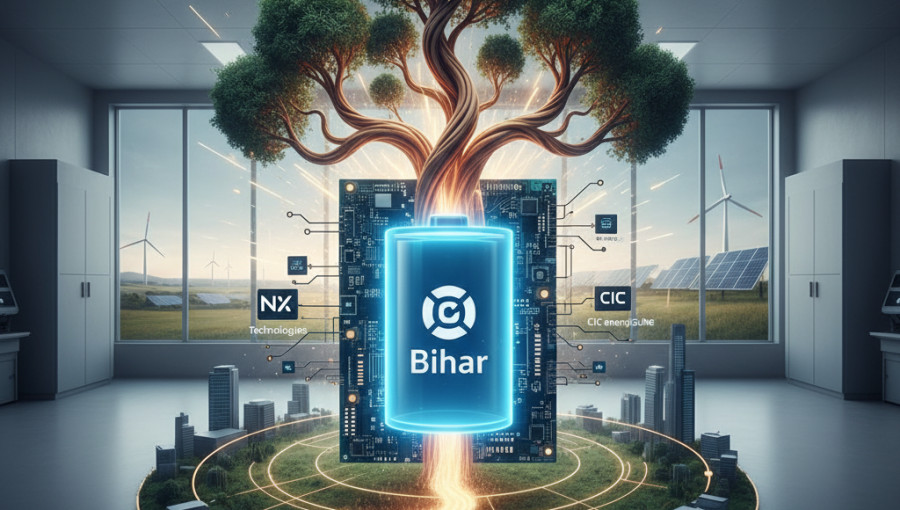
Spain’s Bihar Batteries is accelerating the commercialization of sodium-ion technology through a strategic partnership with NX Technologies, a power electronics specialist based in San Sebastián. This move comes as the global energy storage sector reaches a pivotal turning point, highlighted by CATL’s recent landmark 60 GWh order. By leveraging local raw materials such as wood for hard carbon anodes and collaborating with research institutions, Bihar Batteries aims to establish a robust European manufacturing base for sodium-ion cells, offering a cost-effective and sustainable alternative to lithium-based systems.
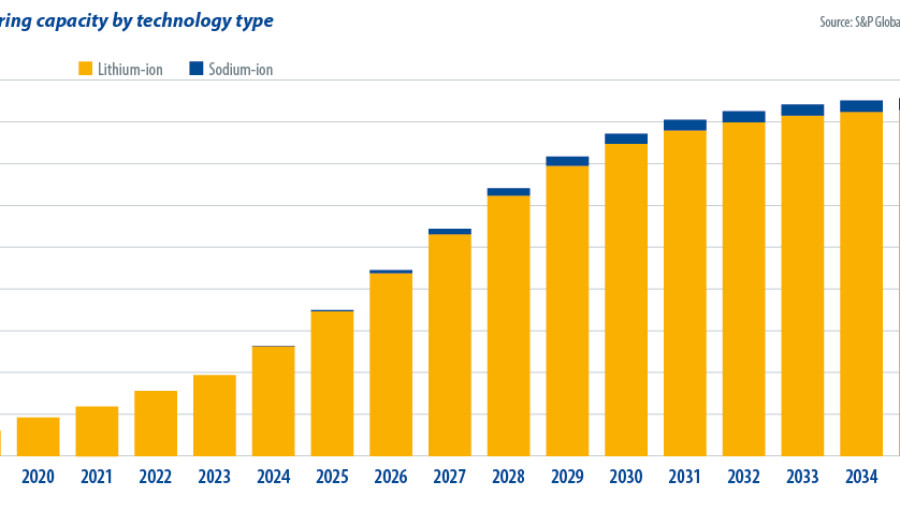
The momentum for sodium-ion battery technology is reaching new heights as rising lithium iron phosphate (LFP) prices drive manufacturers to seek more affordable alternatives. While industry giants like CATL and Envision are already scaling up dedicated energy storage solutions, the European market is seeing a surge of interest in nearshoring production. This shift was recently underscored by the world’s largest sodium-ion battery contract to date, a 60 GWh agreement between CATL and Chinese system integrator HyperStrong.
In Spain, Bihar Batteries is positioning itself as a key player in this transition. The startup has successfully developed sodium-ion cell prototypes that have demonstrated high performance in initial testing. A core component of their strategy involves sustainability and local sourcing; rather than relying on global supply chains, the company plans to utilize local wood to produce hard carbon, which serves as a highly efficient anode material for sodium-ion batteries. This approach is designed to foster a domestic industrial ecosystem centered on sodium-based energy storage.
Bihar Batteries first introduced its prototype late last year, a result of a joint effort with CIC energiGUNE, a prominent energy storage research center with over a decade of expertise in the field. The newly announced collaboration with NX Technologies, which focuses on power electronics for electric mobility, marks a significant step toward bringing these batteries to market. The partnership is expected to streamline the integration of sodium-ion cells into practical applications, supporting the company's goal to begin commercial operations by the end of the year.