Sodium-Ion Battery Technology Gains Traction Alongside Established Lithium-Ion Systems
While lithium-ion remains dominant in energy density, sodium-ion batteries are entering commercial production for vehicles and grid storage applications.
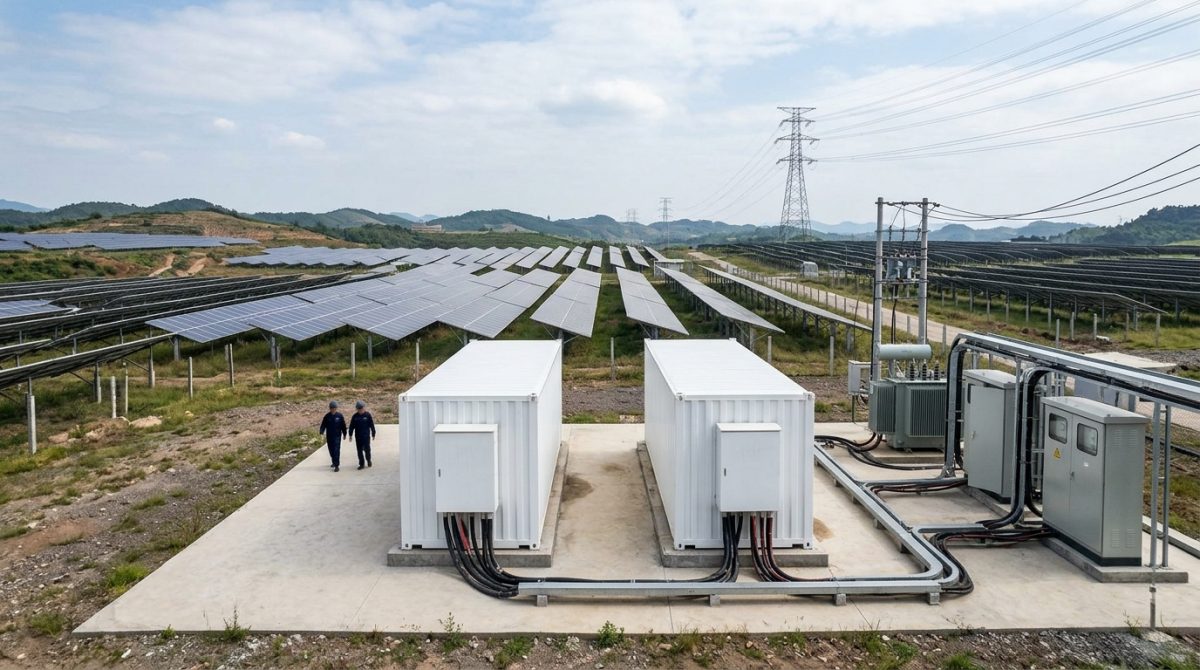
Sodium-ion battery technology is reaching a new commercial stage as manufacturers explore alternatives to lithium-based systems. In February 2026, CATL and Changan introduced a passenger vehicle featuring sodium-ion batteries, with a market launch scheduled for the middle of the year. Additionally, CATL secured a three-year agreement to supply 60 gigawatt-hours of sodium-ion batteries to Beijing HyperStrong Technology for energy storage projects.
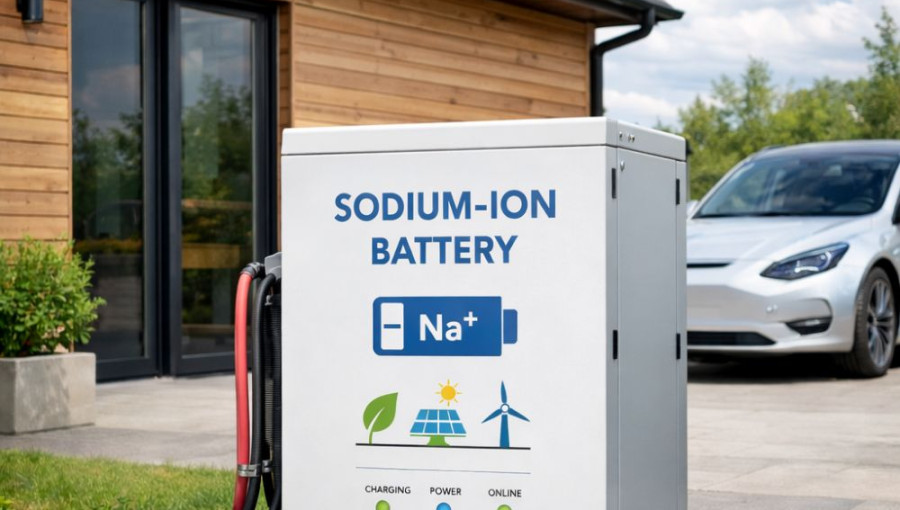
The primary appeal of sodium-ion technology lies in the abundance of sodium, which is found in seawater and common salts. This could potentially reduce reliance on lithium mining and price volatility. Furthermore, sodium-ion cells can utilize aluminum current collectors, decreasing dependence on copper. Despite these benefits, the supply chain for sodium-ion components remains less mature than that of lithium-ion, and production is currently concentrated in China.
Lithium-ion batteries maintain a significant advantage in energy density, which is critical for electric vehicle range. According to the International Energy Agency, current sodium-ion cells reach approximately 175 watt-hours per kilogram, compared to 205 watt-hours per kilogram for lithium iron phosphate cells and 265 watt-hours per kilogram for nickel-manganese-cobalt batteries. An average SUV using sodium-ion technology may achieve a range of 350 kilometers, whereas lithium-ion vehicles typically reach 400 to 600 kilometers.
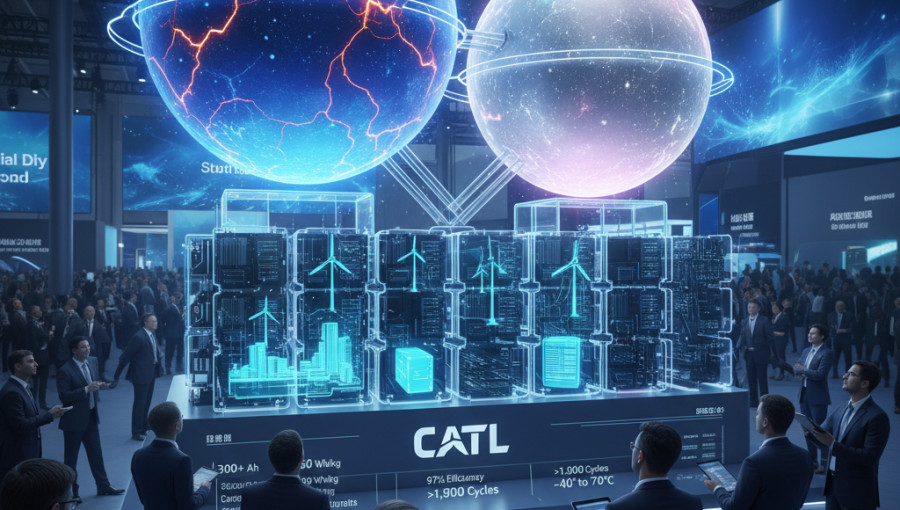
However, sodium-ion batteries demonstrate superior performance in cold climates, retaining about 90 percent of their capacity at temperatures as low as -40°C. This characteristic, combined with lower costs and material availability, makes the technology well-suited for stationary energy storage, urban delivery fleets, and smaller vehicles. CATL’s June 2026 unveiling of its TENER sodium-ion storage system highlights the growing focus on these commercial-scale applications.
Industry experts suggest that sodium-ion is unlikely to replace lithium-ion entirely. Instead, the market is expected to feature multiple chemistries tailored to specific needs. While lithium-ion will likely continue to lead where weight and energy density are prioritized, sodium-ion offers a viable alternative for applications where cold-weather performance and supply-chain diversification are valued.