NanoMalaysia Develops High Density Sodium Ion Battery Prototype
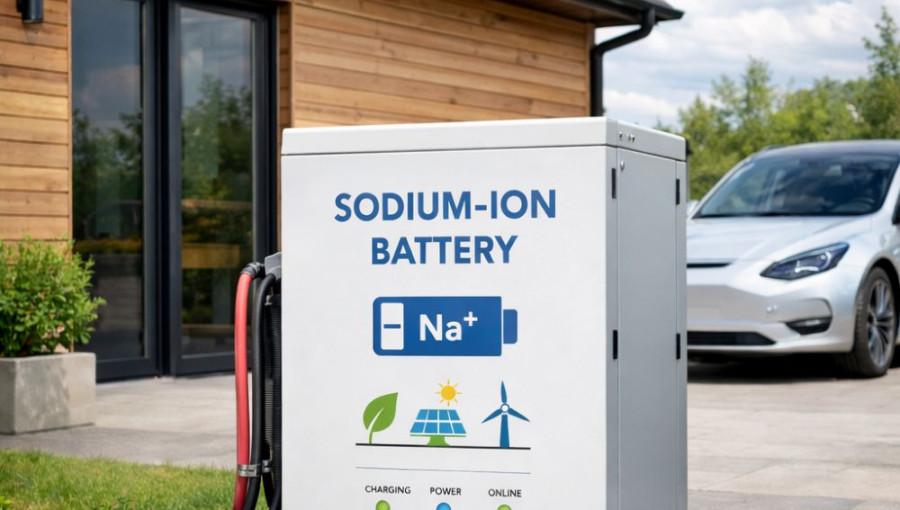
NanoMalaysia Berhad (NMB) has achieved a significant breakthrough in energy storage by developing a sodium-ion battery prototype that exceeds 300 Wh/kg in energy density. Developed in partnership with the International Battery Centre through the NanoMalaysia Energy Storage Technology Initiative (NESTI), this innovation positions Malaysia at the forefront of battery technology. By utilizing advanced NASICON-based materials and graphene nano-additives, the prototype matches the performance of traditional lithium-ion systems while offering superior safety and sustainability. This milestone marks a critical step toward commercializing high-performance, cost-effective alternatives to lithium-based storage.
NanoMalaysia Berhad, an agency operating under the Ministry of Science, Technology and Innovation (MOSTI), has announced the successful development of a sodium-ion battery prototype with an energy density surpassing 300 Wh/kg. This achievement represents a significant leap for the global energy storage sector, placing the prototype among the highest-rated sodium-ion systems currently reported. The project was executed under the NanoMalaysia Energy Storage Technology Initiative (NESTI) in collaboration with International Battery Centre Sdn Bhd.
The technical core of the battery involves a NASICON-based sodium vanadium phosphate (NVP) cathode, which has been further enhanced with graphene nano-additives. These additions significantly improve the electrochemical efficiency, structural stability, and energy density of the unit. The NASICON (Na Super Ionic CONductor) structure is specifically designed to facilitate rapid sodium-ion transport and maintain high stability during cycling, making it an ideal candidate for next-generation energy storage solutions.
Rezal Khairi Ahmad, CEO of NanoMalaysia Berhad, emphasized that the 300 Wh/kg milestone proves that sodium-ion technology can compete directly with lithium-ion performance while addressing critical concerns regarding material sustainability, safety, and long-term costs. Ahmad noted that the next phase of development will focus on establishing industrial partnerships to increase the technology readiness level and attract both domestic and international investment.
This development is particularly noteworthy when compared to current market standards. Commercial sodium-ion batteries typically offer energy densities between 90 and 160 Wh/kg, while high-end laboratory prototypes rarely exceed 200 Wh/kg. Even widely used lithium iron phosphate (LFP) batteries generally operate within the 140 to 160 Wh/kg range. By doubling the energy density of standard sodium-ion cells, the prototype addresses one of the primary criticisms of the technology: its historically lower energy-to-weight ratio.
Despite this breakthrough, the sodium-ion industry still faces hurdles related to manufacturing costs and market scale. Currently, production costs remain approximately 30% higher than those for lithium-ion alternatives, and large-scale deployments of sodium-ion battery energy storage systems remain limited globally. However, as supply chains for lithium face increasing pressure, the inherent safety and resilience of sodium-ion technology offer a compelling path forward for stationary storage and safety-critical infrastructure.