Survey Finds Electric Vehicle Owners View Myths As Primary Adoption Barrier
While prospective buyers worry about battery longevity and grid stability, current owners report high satisfaction and confidence in their vehicle performance.
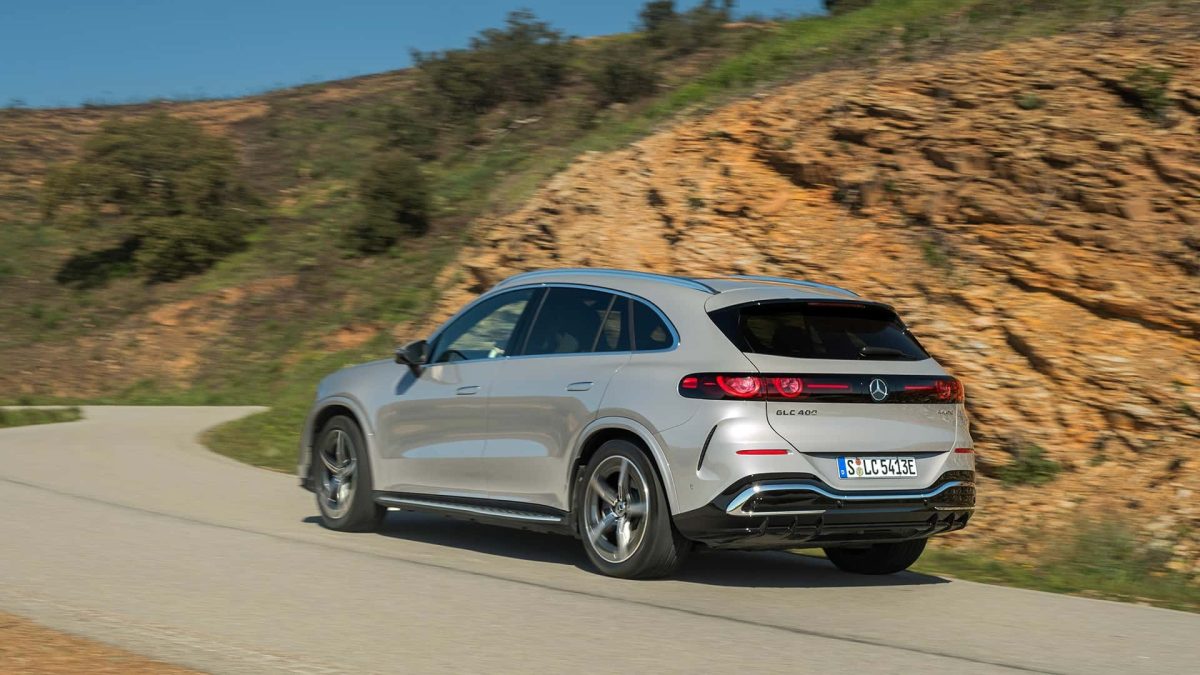
A new survey of nearly 30,000 electric vehicle owners indicates that widespread misconceptions are a greater obstacle to EV adoption than price or charging infrastructure. The 2026 Global EV Driver Survey, conducted by the nonprofit Global EV Alliance, found that 74% of participants identified myths as a leading barrier to the transition, ranking them ahead of purchase costs and apartment charging access.
The research, which gathered data from 29,547 drivers across 34 countries between September and October, highlighted battery longevity as the most prevalent misconception, cited by 72% of respondents. Other common concerns identified by owners included claims that EVs are more prone to fires and that mass adoption would overwhelm electricity grids. Despite these public perceptions, 65% of surveyed owners stated they were not worried about the lifespan of their own vehicle batteries.
Data from manufacturers supports this owner confidence. Ford reported that 2021 Mustang Mach-E models retained an average of 92% of their usable battery capacity after 5.2 years and 88,500 kilometers. Furthermore, vehicles with over 161,000 kilometers maintained 91% of their original capacity. While battery fires remain a challenge for emergency responders due to their difficulty to extinguish, studies generally indicate that EVs have lower fire rates than internal combustion engine vehicles.
Regarding concerns about grid stability, the report suggests that smart charging technology can mitigate pressure by managing electricity demand. Additionally, while 40% of respondents noted that claims regarding the environmental impact of EVs remain a common misconception, the study emphasizes that EVs typically offset the initial emissions from battery manufacturing through lower emissions during their operational life. Although owners acknowledged that price and home charging remain legitimate challenges, they noted that the fear of premature battery replacement is largely unfounded.