Debunking Electric Vehicle Myths for Cleaner Future

The article discusses ten common myths surrounding electric vehicles (EVs) and clean energy, aiming to debunk misconceptions that persist in public discourse. It provides concise counterarguments to these myths, illustrating the advantages of EVs and the feasibility of renewable energy sources like wind and solar power. The content also underscores the importance of overcoming misinformation in promoting cleaner technologies, reinforcing that consumers can adopt EVs and renewable energy without significant concerns about cost or environmental impact.
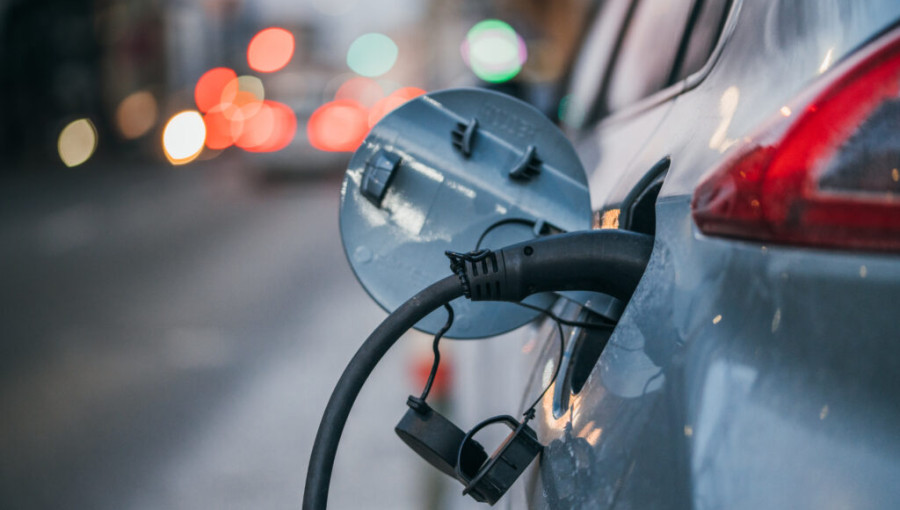
Myth: You have to spend a lot of time charging an EV. Truth: It typically takes less than a minute to charge an EV each week. Electric cars now come with hundreds of miles of range. Most people drive 40 miles or less each day. If they can plug in at home or work every 2–3 days, that should be plenty. It takes just a few seconds to plug in or unplug, so that adds up to a minute or so (probably less) that someone has to spend charging their EV each week. If you’re thinking about road trips, it’s true that it takes a bit longer for an electric car to charge than it takes a gas car to fill up, but the vast majority of driving and fueling/charging is from daily transportation needs, not occasional road trips. Also, you don’t have to stand next to the car while it charges — you can go get coffee, get food, use the restroom, watch something on YouTube, work, scroll social media, rest your eyes, walk the dog, or do other things while your car charges. Again, it just takes a few seconds to actually plug in and unplug.
Okay, I started with a longer one, but let’s move on. Myth: EV batteries need to be replaced after a few years. Truth: EV batteries almost always come with an 8-year warranty, and that warranty guarantees that the battery has 70% or more of its original energy storage capacity. Automakers don’t provide warranties they expect will result in a financial loss. These EV batteries are more likely to last 15 years than have to be replaced after a few years. In fact, most EV batteries probably will last 15 years or so. I think the issue here is that people think about 12V batteries that are in all cars, which often only last 2–3 years (at least in a place like Florida). Those are completely different batteries and incomparable.
Myth: Electric cars are actually really dirty and polluting. Electric cars are much cleaner than gasoline-powered cars, even conventional hybrids, all across the grid. With more and more electricity coming from renewable energy (which accounts for most new power capacity in the United States year after year this decade), they just get cleaner and cleaner, too. The little bit of extra emissions created from producing batteries for electric cars is quickly negated by the lower pollution from electric car operation (zero emissions) and charging.
Myth: There aren’t affordable electric car options. Not that long ago, it was very hard to find affordable electric cars. Now, however, there are several electric car models that have a lower MSRP than the average new car sold in the United States. Additionally, there’s now a vast used electric car market. You can get great deals on used electric vehicles of all different models and vehicle classes.
Myth: An EV could very likely burn down your house. While there have been a few fires caused by EVs charging, this is extremely uncommon. Gasoline is also flammable, by the way, and there have been many cases of gas tanks and gas cars catching fire and burning down houses as well. Things can happen, and when you’ve got energy densely packed — whether into batteries or gasoline — it can catch fire. However, battery packs are heavily protected and managed to avoid this, and there are millions of vehicles sold every month that will never catch fire.
Myth: Wind and solar energy are expensive. Wind and solar power are