Thyssenkrupp Nucera Reports Significant Losses Amid Green Hydrogen Project Challenges
The company recorded a group EBIT loss of €136 million for the 2025/26 fiscal year, driven by high costs in its green hydrogen division.
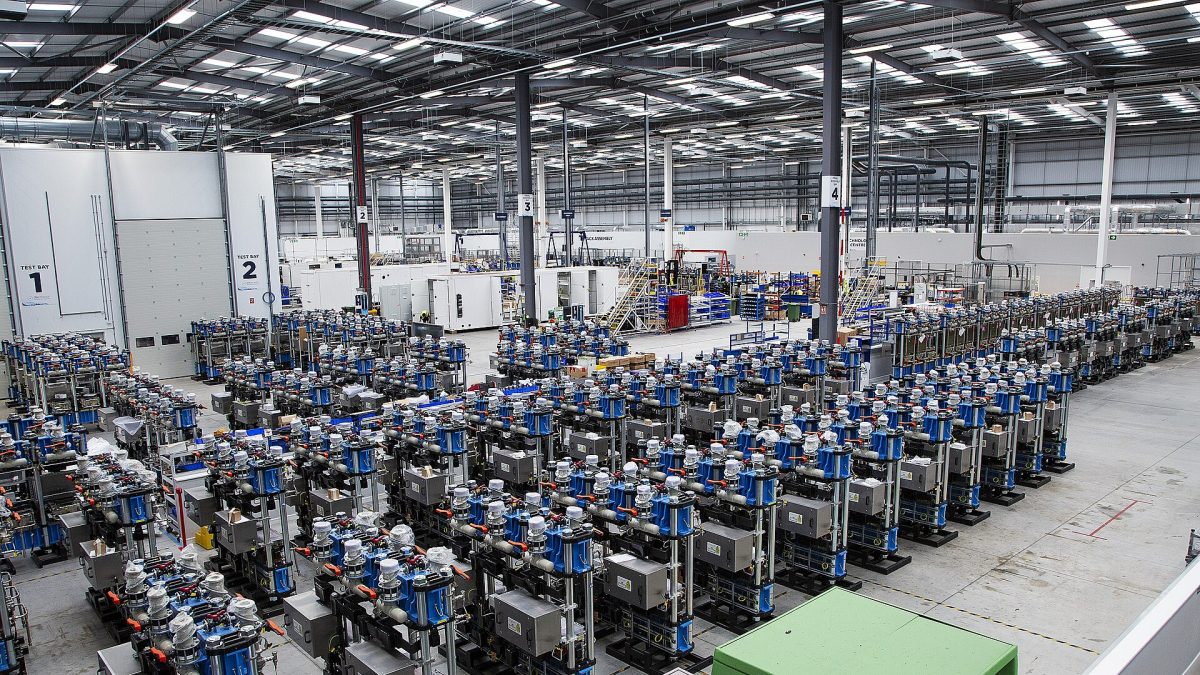
Thyssenkrupp Nucera has released preliminary financial results for the 2025/26 fiscal year, revealing a group EBIT loss of €136 million. This figure falls short of the company's previous guidance of a €75 million to €105 million loss, with the discrepancy attributed to nearly €40 million in additional costs during the fourth quarter related to commissioning green hydrogen plants and addressing defective supplier components.
The financial performance highlights a sharp divide between the company's two primary business segments. The green hydrogen unit generated approximately €84 million in sales but incurred an EBIT loss of €197 million, equating to a loss of about €2.35 for every euro of sales. Conversely, the chlor-alkali business reported €365 million in sales and an EBIT of €61 million, effectively subsidizing the newer hydrogen operations.
Throughout the fiscal year, the company’s financial forecasts were revised downward multiple times, with the expected loss increasing from an initial estimate of approximately €15 million to the final figure of €136 million. These adjustments were linked to various factors, including project costs, a cancelled pilot project in the United States, and a write-down related to solid oxide stack production.
Despite the losses, the company maintains a positive free cash flow of €16 million and continues to execute roughly 3.5 GW of green hydrogen projects, including a 300 MW plant for Moeve in Andalusia. The current challenges in commissioning large-scale projects suggest that developers negotiating new supply agreements may face stricter terms, such as higher milestone payments or more limited performance guarantees, as suppliers look to mitigate risks associated with cost overruns.