German Hydrogen Refueling Network Growth Masks Massive Losses
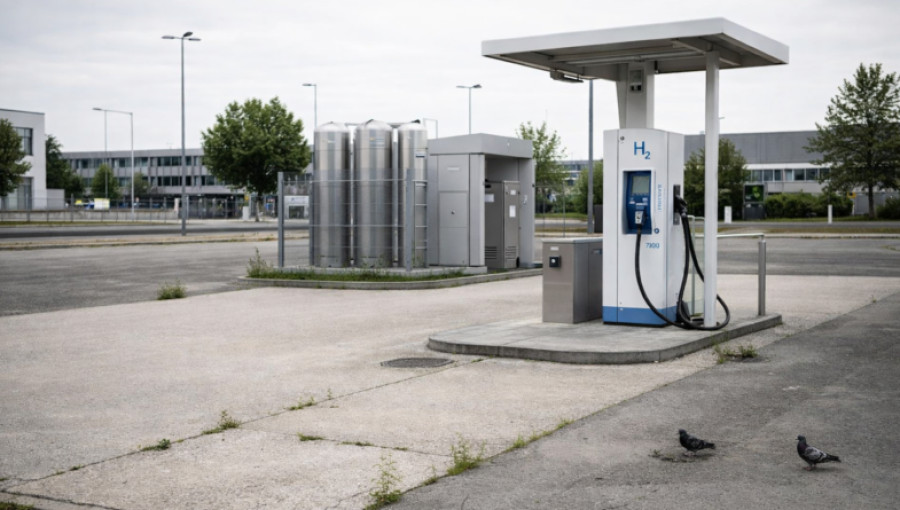
Germany’s hydrogen refueling network, managed by the H2 Mobility consortium, presents a facade of steady growth that masks significant underlying economic challenges. While total hydrogen dispensed across the network has climbed to approximately 59 tons per month, an analysis of per-station utilization reveals a system operating far below commercial viability. With average daily throughput reaching only 30 kilograms per station, the infrastructure currently serves fewer than ten vehicles per site daily. Despite a strategic pivot toward heavy-duty transport, the network continues to face massive financial losses and stiff competition from battery electric alternatives.
Established in 2015, H2 Mobility was formed by a group of industrial gas companies, oil majors, and vehicle manufacturers, including Shell, TotalEnergies, Linde, and Daimler Truck. The consortium aimed to solve the "chicken and egg" dilemma of hydrogen transport: consumers would not buy vehicles without stations, and investors would not build stations without vehicles. However, nearly a decade later, the network functions more as a subsidized infrastructure project than a self-sustaining retail business.
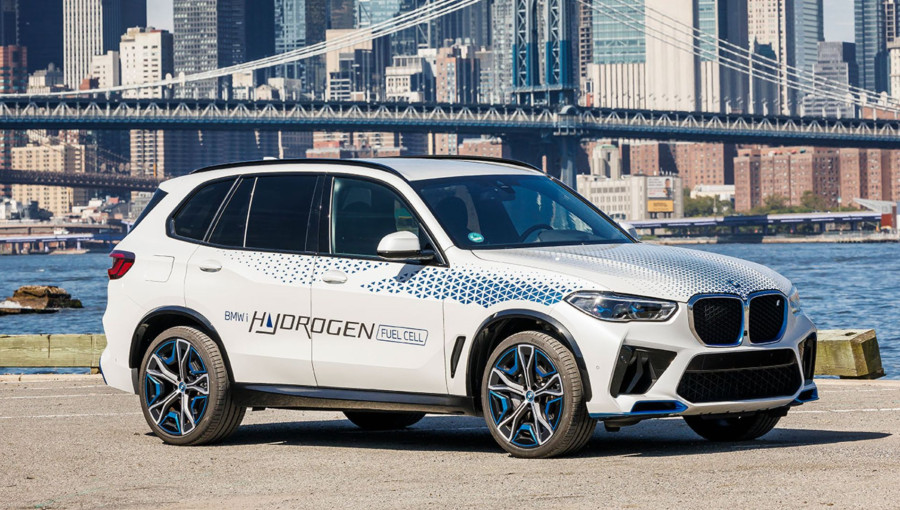
The headline figure of 59 tons per month—or 59,000 kilograms—appears impressive until it is distributed across the network’s 72 active stations. This calculation results in roughly 819 kilograms per station per month, or just under 30 kilograms per day. To put this in perspective, a hydrogen passenger vehicle like the Toyota Mirai typically requires 3 to 4 kilograms for a refill. Consequently, an average German hydrogen station serves only seven to ten cars per day. In contrast, a conventional gasoline station in Germany typically handles 200 to 300 vehicles daily, dispensing between 8,000 and 15,000 liters of fuel.
The financial performance of H2 Mobility underscores the depth of the crisis. In 2023, the company reported revenue of €7.6 million against operating expenses of €34.5 million, resulting in a net loss of approximately €26 million. Revenue covered only 22% of total costs. The high expense is driven by the complexity of hydrogen infrastructure, which requires high-pressure compressors, specialized chillers, and frequent maintenance. On average, each station generated about €72,000 in annual revenue while incurring roughly €330,000 in operating costs, leading to an average annual loss of €250,000 per site.
The recent increase in average station utilization is not primarily the result of a surge in demand, but rather a contraction of the network. In 2024 and 2025, H2 Mobility shuttered more than 20 underperforming stations, mostly those designed for 700-bar passenger vehicle refueling. While closing these sites improved the statistical average of the remaining stations, it did little to fix the fundamental economic gap.
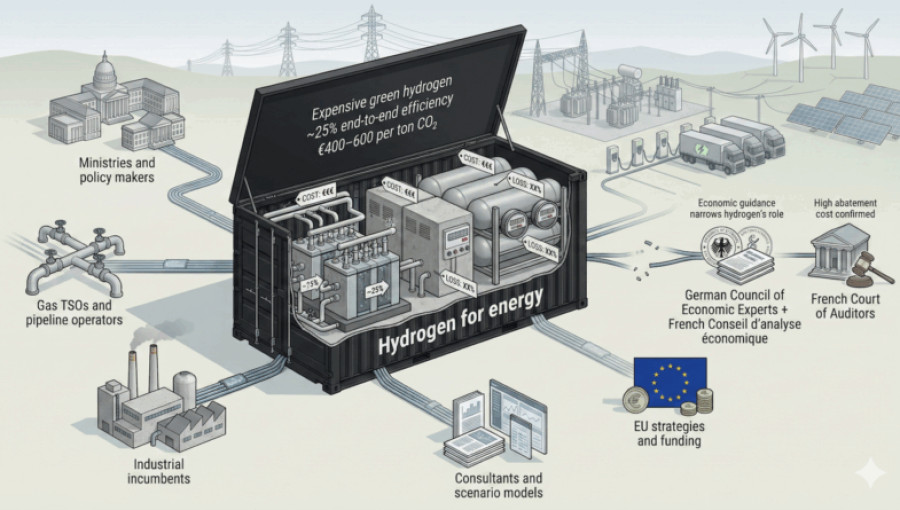
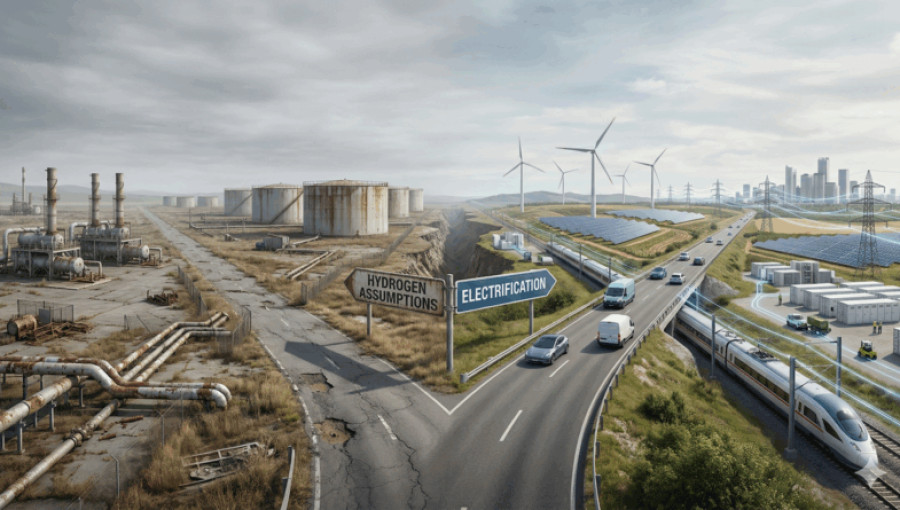
Recognizing that the passenger car market has failed to materialize, H2 Mobility has shifted its focus toward heavy-duty trucks and buses. However, this sector faces its own hurdles. Organizations such as the German Court of Auditors have noted that hydrogen for road freight is economically inferior to battery electric options due to significant energy losses during electrolysis, compression, and transport. Furthermore, global trends suggest a shift away from hydrogen; in China, sales of hydrogen-powered heavy trucks dropped significantly in 2025, while battery electric trucks captured over 30% of the market.
For the major energy and gas firms backing the project, the ongoing losses are relatively minor compared to their total balance sheets. The network serves as a strategic hedge and a marketing tool to demonstrate a potential future for hydrogen as a transportation fuel. However, without a massive increase in vehicle adoption and a dramatic reduction in operational costs, the German hydrogen refueling network remains a high-cost experiment with no clear path to profitability.