US Energy Storage Hits Record Growth Driven By AI
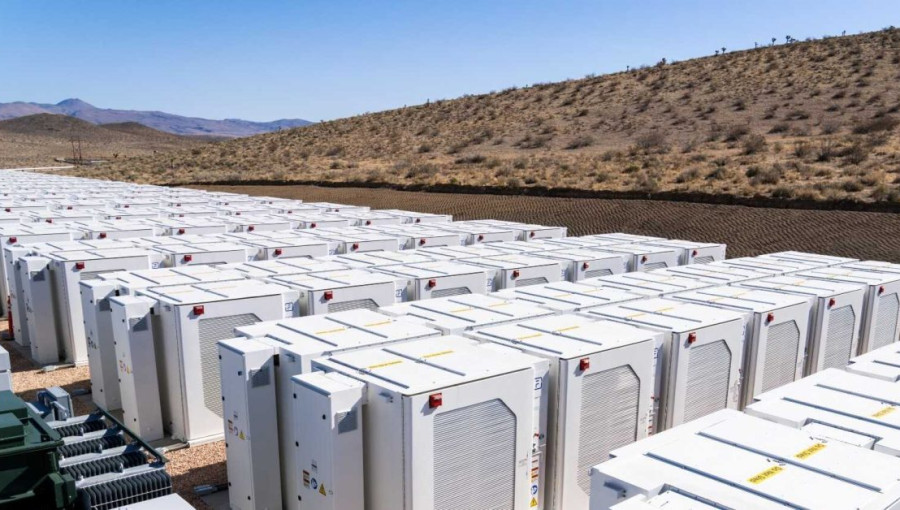
The United States energy storage sector achieved a record-breaking first quarter in 2026, installing 9.7 gigawatt-hours (GWh) of new capacity, marking a 32% increase compared to the previous year. This surge is largely driven by the rapid expansion of artificial intelligence and data centers, which require reliable, stable power. Despite ongoing federal permitting challenges and political opposition, utility-scale battery projects continue to dominate the market. Industry experts emphasize that domestic manufacturing and the shift toward fuel-independent energy sources are essential for maintaining energy security and preventing electricity price spikes as demand for power continues to climb.
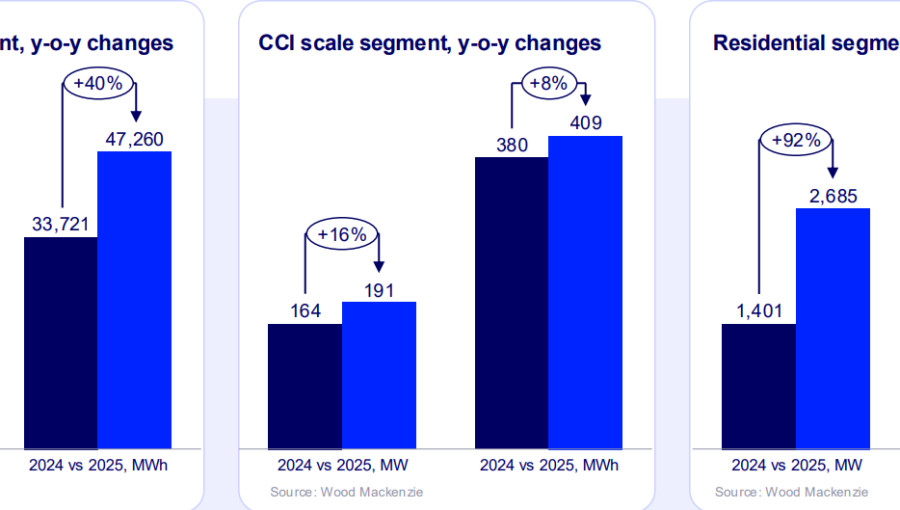
Utility-scale batteries accounted for the bulk of the growth, contributing 7.8 GWh to the national grid. Meanwhile, the commercial and industrial sectors added 648 megawatt-hours (MWh), and residential installations reached 515 MWh. Projections have been revised upward, with the industry now anticipating over 610 GWh of total energy storage capacity by 2030. This growth is bolstered by the increasing necessity for energy independence, as global fossil fuel market instability and volatile natural gas prices make solar and battery storage systems more economically attractive due to their independence from fuel supply chains.
The rise of AI is a primary catalyst for this expansion, with major technology firms securing massive amounts of storage capacity to support their infrastructure. Analysts note that battery energy storage systems are becoming critical to powering these high-demand facilities without causing significant cost increases for the general public. However, the Solar Energy Industries Association warns that federal permitting bottlenecks pose a significant risk. Currently, 467 solar and storage projects are awaiting approval, and potential delays could hinder the industry's ability to meet rising energy needs while simultaneously driving up household utility bills.
Geographically, Texas, Arizona, and California remain the leading markets for utility-scale storage. Interestingly, 71% of the utility-scale capacity added in the first quarter was located in red states, highlighting the widespread economic appeal of the technology. Additionally, 13 states have implemented explicit energy storage targets, which are successfully attracting further investment. States such as Georgia, Iowa, and Mississippi also demonstrated significant growth during the quarter, signaling that the transition toward a more resilient, storage-backed power grid is gaining momentum across diverse regions of the country.