Xiaomi Refreshes SU7 Sedan With Enhanced Electric Performance
Xiaomi has introduced a comprehensive update to its SU7 electric sedan, reinforcing its position in the competitive Chinese EV market. Despite being on sale for only a short period, the refreshed model features significant upgrades to its powertrain, interior quality, and safety features. With increased horsepower, faster charging capabilities, and a more refined driving experience, the SU7 aims to maintain its dominance. While currently focused on domestic sales, Xiaomi plans to expand its automotive reach to international markets by 2027, signaling a serious challenge to established global manufacturers.
The rapid evolution of the SU7 exemplifies the "China Speed" phenomenon, where hyper-competitive development cycles result in significant product refreshes less than a year after a car's initial launch. Xiaomi, the tech giant turned automaker, has quickly refined its flagship sedan following high praise from industry experts and strong initial sales. The updated version focuses on addressing consumer feedback while pushing the boundaries of electric performance and software integration.
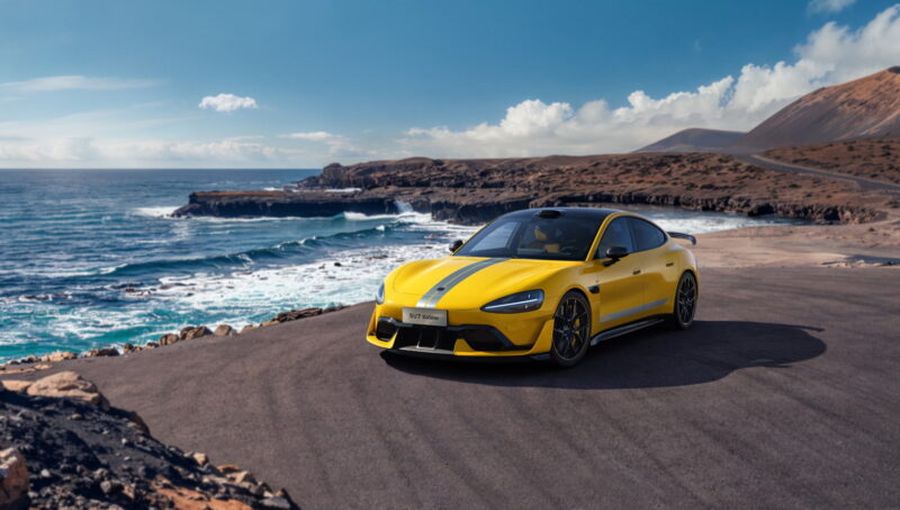
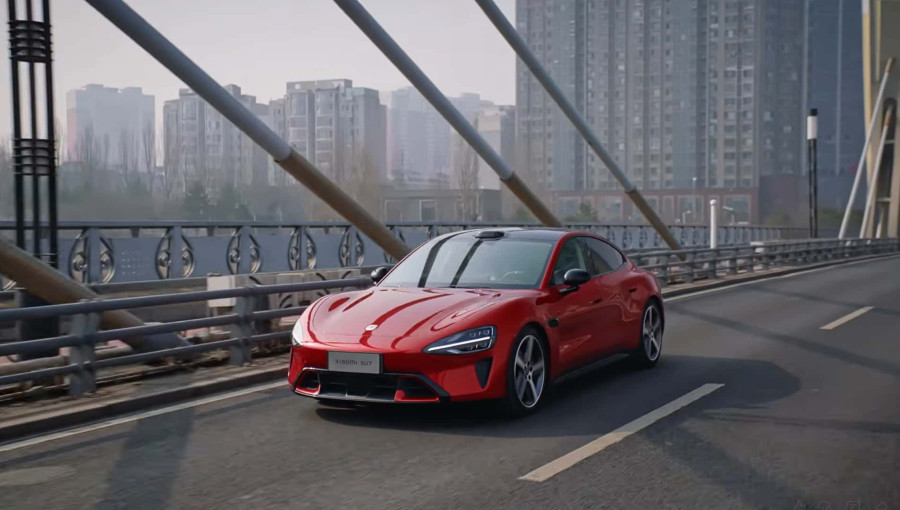
Visually, the updated SU7 maintains its sleek silhouette with minor adjustments to the front and rear bumpers, alongside new wheel designs and color palettes. A notable safety-driven change is the introduction of electronic flip-up door handles that can be operated manually. This modification follows concerns regarding the previous hidden handle design, ensuring the vehicle meets more stringent safety expectations.
The interior has undergone a premium overhaul to align with the brand’s newer YU7 crossover. The cabin now features laminated glass for improved sound insulation and soft-touch materials across the dashboard and door panels. A refreshed center console includes screw-in ports designed specifically for Xiaomi’s ecosystem of accessories. Reviewers have noted a significant improvement in the "premium ambiance," highlighting a quieter and more sophisticated environment for passengers.
Under the skin, the mechanical updates are extensive. The chassis has been reinforced with a structural crossmember that bisects the single-pane glass roof, enhancing safety and rigidity. Performance is driven by the new "V6s Plus" electric motor, which operates at higher RPMs than its predecessor. The standard model now produces 320 hp, while the high-performance Max trim reaches 690 hp. All variants now feature an 800-volt architecture—with the Max model approaching 900 volts—enabling the car to add 670 kilometers of range in just 15 minutes. On the generous WLTC cycle, the SU7 now boasts a maximum range of 902 kilometers.
Driving dynamics have also been refined through the inclusion of dual-chamber air suspension on top-tier trims and wider rear tires for better traction. Early test drives suggest a more "mature" feel, with improved pedal modulation and a more progressive throttle response that mimics the natural feel of traditional internal combustion engines. Additionally, LiDAR and an upgraded ADAS computer are now standard across the entire lineup.
As Xiaomi continues to integrate its automotive software with its broader tech ecosystem, the updated SU7 serves as a benchmark for the brand's global ambitions. While the vehicle is currently a mainstay of the Chinese market, Xiaomi has confirmed plans to begin exporting its electric vehicles to international markets by 2027.