Why Xiaomi Succeeded At Making Electric Cars But Apple Failed
The article from CleanTechnica, titled "Why Xiaomi Succeeded At Making Electric Cars But Apple Failed," published on August 9, 2025, explores the contrasting outcomes of Xiaomi’s successful entry into the electric vehicle (EV) market with its SU7 sedan and Apple’s failed attempt to develop an electric car through its Project Titan. The piece, written by Steve Hanley, delves into the reasons behind Xiaomi’s achievements and Apple’s shortcomings, drawing on insights from a New York Times report by Meaghan Tobin and Claire Fu, as well as reader comments and industry analysis. Below is a detailed summary of the article, organized into key themes and points.
1. Background on Xiaomi and Apple’s EV Efforts
- Apple’s Project Titan: Apple invested a decade and reportedly $10 billion in its electric car initiative, codenamed Project Titan. Despite this significant investment, the project was abandoned with little to show for it, as Apple never progressed to a publicly revealed prototype or production model.
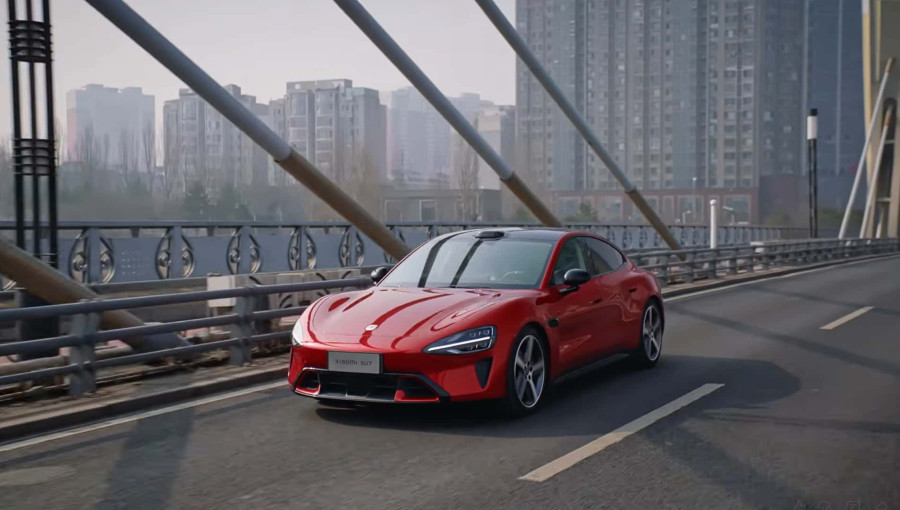
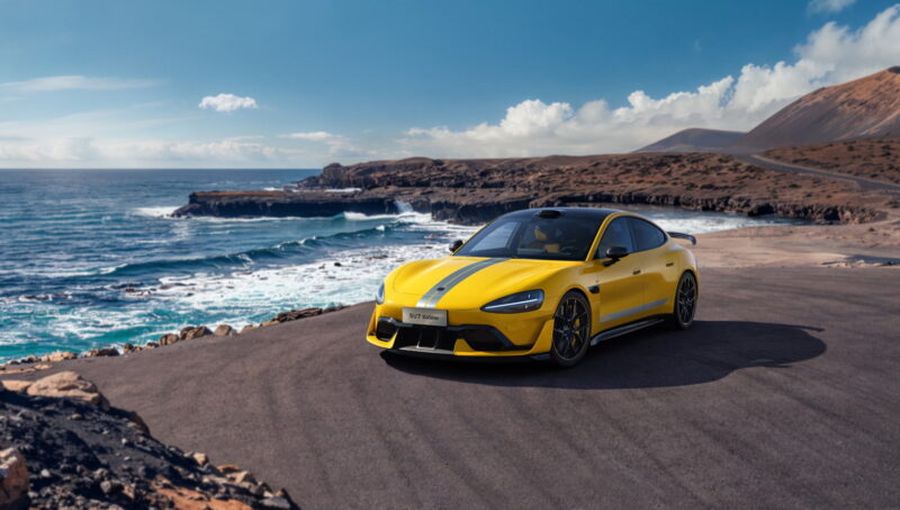
- Xiaomi’s SU7 Success: Xiaomi, a Chinese smartphone and consumer electronics manufacturer, entered the EV market with the SU7 sedan, launched in 2024. The SU7 has gained attention for its performance, with Ford CEO Jim Farley praising it after testing one in Detroit for six months. Additionally, a prototype SU7 Ultra set a lap record for four-door sedans at the Nürburgring, reaching speeds over 200 mph, highlighting Xiaomi’s ability to produce a compelling EV.
2. Key Reasons for Xiaomi’s Success
The article outlines several factors that enabled Xiaomi to succeed where Apple failed, emphasizing China’s EV ecosystem, Xiaomi’s business model, and its strategic approach.
- China’s Dominance in EV Supply Chains:
- Xiaomi leveraged China’s robust EV manufacturing infrastructure, which has been bolstered by significant government subsidies. This allowed Xiaomi to source components quickly and cost-effectively from major battery manufacturers like BYD and CATL, the world’s largest EV battery producers.
- The article notes that China controls much of the global EV supply chain, including critical minerals for batteries, giving companies like Xiaomi a structural advantage.
- Xiaomi’s Ecosystem Approach:
- Unlike traditional automakers, Xiaomi is not solely a car company but a tech firm producing a wide range of consumer electronics, such as smartphones, robot vacuum cleaners, and air conditioners. All these products operate on Xiaomi’s unified operating system and are controlled via a single app.
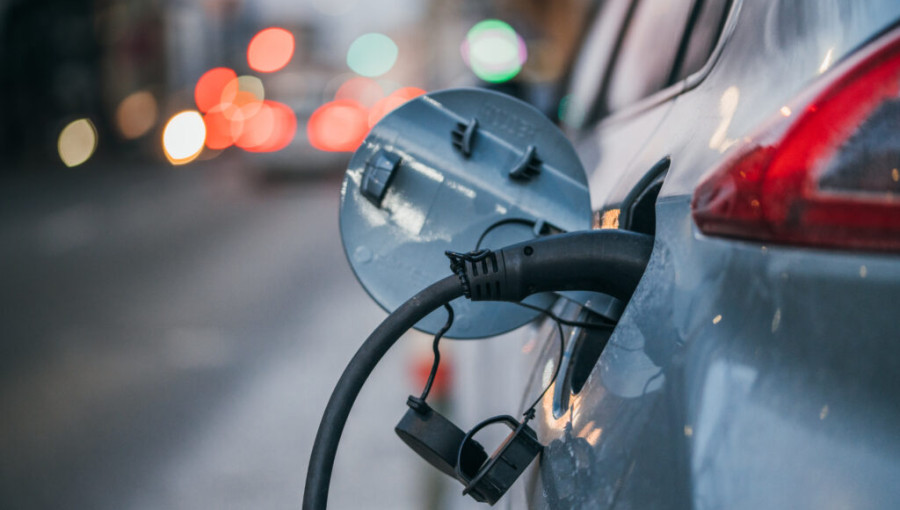
- The SU7 integrates seamlessly with Xiaomi’s ecosystem, using data from other devices to optimize functions like battery charging based on the driver’s routine. This interconnectedness enhances user experience and differentiates Xiaomi from competitors.
- Gary Ng, an economist at Natixis Corporate & Investment Banking, is quoted saying, “Xiaomi has really started infiltrating your home. Everything is linked together, and this is something other companies couldn’t do.”
- Consumer-Centric Brand and Rapid Market Entry:
- Xiaomi’s strong brand recognition among Chinese consumers, particularly younger demographics, gave it an edge. Its popularity as a consumer electronics maker translated into trust in its automotive venture.
- On the first day of SU7 deliveries, Xiaomi offered accessories like analog clocks and physical switch panels through its app store, allowing buyers to personalize their vehicles. This reflects Xiaomi’s understanding of consumer preferences and emotional connections in purchasing decisions.
- Stephen W. Dyer from AlixPartners highlights Xiaomi’s ability to bring new models to market quickly, focusing on continuously updated software, a strength derived from its experience in consumer electronics.
- Competitive Pricing and Design:
- The SU7 starts at approximately $30,000, making it a cost-competitive alternative to Tesla’s models and other EVs like the Hyundai Ioniq range. Its design, reminiscent of the Porsche Taycan, adds aesthetic appeal.
- The article suggests Xiaomi’s focus on affordability and style helped it gain traction in China’s competitive EV market.
3. Why Apple Failed
The article speculates on the reasons for Apple’s failure, though it notes a lack of concrete details due to Apple’s secretive approach. Key points include:
- High Ambitions and Shifting Goals:
- Apple’s Project Titan aimed to create a fully autonomous, Level 5 self-driving vehicle, a goal far more ambitious than producing a standard EV. This lofty objective, combined with constantly shifting directions, likely contributed to the project’s failure over its decade-long timeline.
- The article cites a comment from Zachary Shahan, CleanTechnica’s editor, suggesting Apple may have been paralyzed by perfectionism or deterred by the inability to produce cars cheaply enough. Alternatively, Apple may have avoided entering the low-margin automotive industry unless it could lead in self-driving technology.
- Lack of Manufacturing Ecosystem:
- Unlike Xiaomi, Apple lacked access to a ready-made EV supply chain. The article implies that Apple’s reliance on external manufacturers like Foxconn and potential partnerships with automakers (e.g., Hyundai, Kia, Porsche, BYD, Toyota) did not provide the same advantages as China’s integrated supply chain.
- A commenter, Are Hansen, references Apple CEO Tim Cook’s explanation that manufacturing iPhones in the U.S. is challenging due to the lack of a skilled workforce and supply chain infrastructure, a similar barrier for EVs.
- Cultural and Strategic Missteps:
- Apple’s business model, which thrives on high-margin products, may have clashed with the automotive industry’s lower margins. A commenter, Defendor, notes that cars are typically a low-margin business, which may have deterred Apple.
- The article suggests Apple failed to connect emotionally with consumers in the automotive space, unlike Xiaomi, which leveraged its brand loyalty and consumer insights effectively.
4.Broader Context and Critiques
- Government Subsidies and Economic Narratives:
- The article addresses criticisms that Chinese EV manufacturers like Xiaomi benefit from unfair government subsidies and labor practices. A commenter cited in the New York Times claims China’s “near slave workforce” and lack of civil rights give it an edge. However, the article counters this by noting that the U.S. has historically subsidized industries (e.g., by ignoring environmental cleanup costs) and failed to capitalize on its own innovations, such as lithium-ion batteries and solar panels, due to a lack of follow-through.
- Another commenter argues that the U.S.’s de-emphasis on education has left it without the skilled workforce needed for advanced manufacturing, unlike China, which prioritizes education and operates a rigorous form of capitalism that lets failing companies go out of business.
- Xiaomi’s Competitive Landscape:
- Despite its success, Xiaomi faces intense competition in China from domestic rivals like BYD (which sold 4 million plug-in vehicles in the previous year) and Huawei, as well as foreign brands like Tesla. The article notes that Xiaomi’s SU7, while popular, is a smaller player compared to BYD’s scale.
- Xiaomi’s plans to export the SU7 and launch an SUV indicate its ambition to expand globally, though it must navigate geopolitical challenges and competition.
5. Emotional and Market Dynamics
- The article emphasizes the emotional aspect of car purchases, quoting Tu Le from Sino Auto Insights: “The strength of the brand puts Xiaomi ahead of a lot of their competitors. That’s what it takes to sell cars globally, because it’s not just a consumer product, it’s an emotional product.”
- Xiaomi’s ability to forge an emotional connection with consumers, combined with its practical advantages in supply chain and ecosystem integration, gave it a significant edge over Apple, which failed to bring a product to market to test consumer response.
6. Commenter Perspectives
The article includes reader comments that add depth to the analysis:
- Zachary Shahan: Questions whether Apple could have sold an EV at a premium based on its brand alone, similar to Xiaomi, and speculates that Apple’s focus on self-driving tech or aversion to low margins may have halted progress.
- KeepItClean: Expresses shock at the $10 billion spent by Apple, questioning how far the project progressed and how the funds were allocated.
- Defendor: Doubts the $10 billion figure’s reliability and suggests Apple’s high-margin business model was incompatible with automotive manufacturing.
- Mark Turner: Wonders if luck played a role in Xiaomi’s success and questions why Tesla succeeded where Apple failed, given similar supply chain challenges.
- Are Hansen: Argues that China’s complete supply chain, including skilled labor, was a key differentiator, and notes Apple’s reliance on external manufacturers like Foxconn.
- Alvin: Criticizes Apple’s leadership for lacking the vision or commitment to invest sufficiently in EV production, suggesting $10 billion was inadequate for such a complex endeavor.
7. Critical Analysis and Broader Implications
- The article challenges the narrative that Chinese EV success is solely due to government subsidies, pointing to educational priorities and supply chain mastery as critical factors.
- It critiques the U.S.’s failure to sustain early technological leads (e.g., in batteries and solar) and its de-emphasis on education, which hinders its ability to compete in advanced manufacturing.
- The success of Xiaomi’s SU7, with 135,000 units sold since its 2024 debut, underscores the shifting dynamics of the automotive industry, where tech companies with strong consumer ecosystems and supply chain access can disrupt traditional automakers.
8. Conclusion
The article concludes that Xiaomi’s success stems from its ability to tap into China’s EV supply chain, leverage its consumer electronics ecosystem, and connect emotionally with buyers through brand loyalty and affordable, stylish products. Apple’s failure, by contrast, likely resulted from overly ambitious goals, a lack of supply chain infrastructure, and a mismatch between its high-margin business model and the automotive industry’s realities. The story highlights broader lessons about the importance of supply chain control, consumer engagement, and adaptability in the evolving EV market.