
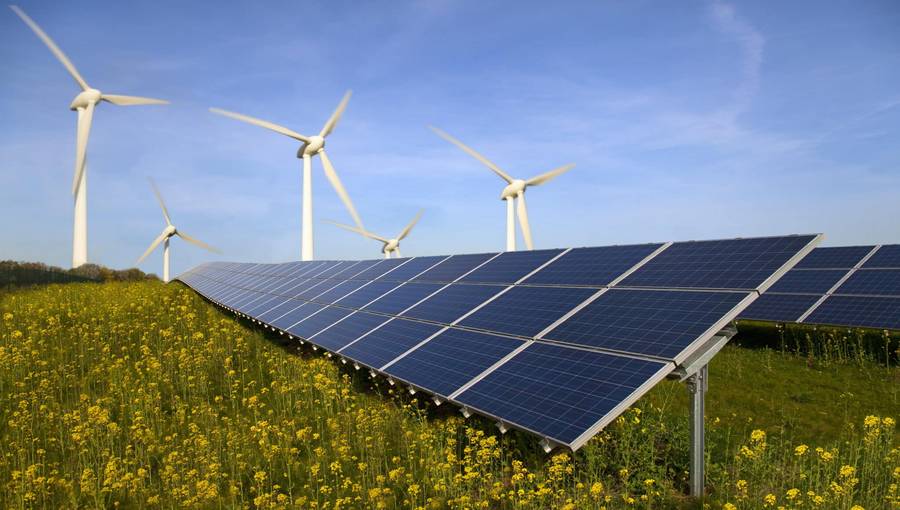
In a significant milestone for the global energy transition, the growth in solar and wind power generation has successfully outpaced the increase in worldwide electricity demand for the first time. According to an analysis by energy research firm Ember, new renewable capacity installed in the first nine months of the year was more than sufficient to cover all new global consumption. This development led to a slight but notable decrease in electricity produced from fossil fuels, signaling a potential turning point in the effort to decarbonize the power sector.
Data covering the period from January to September shows that global power demand increased by 603 terawatt-hours (TWh) compared to the same timeframe in the previous year. Solar power experienced a massive surge, with its generation growing by 498 TWh, thereby meeting the vast majority of this new demand on its own. Wind power contributed an additional 137 TWh, bringing the total new clean energy above the level of new consumption.
As a direct consequence of renewables satisfying new demand, generation from fossil fuels declined by 17 TWh during the first three quarters. Ember projects this trend will continue through the end of the year, resulting in 2025 being the first year to show no notable growth in fossil fuel power generation since the economic slowdown of the Covid-19 pandemic.
However, it remains uncertain whether this plateau represents a permanent peak for fossil fuels or simply a temporary pause. The future will be determined by a race between the expansion of renewable energy and a projected explosion in electricity demand. This surge is expected to be driven by the electrification of transport and industry, the proliferation of power-hungry AI data centers, and the increased use of air conditioning due to rising global temperatures.
The International Energy Agency forecasts that global power demand could rise by as much as 40% over the next decade. For the world to successfully decarbonize its power grid, the growth of carbon-free sources must not only match this rising demand but substantially outrun it. Analysts remain hopeful, particularly as past forecasts have consistently underestimated the rapid and accelerating deployment of solar energy worldwide.