AutoFlight Unveils Floating Solar Vertiport For Air Taxis
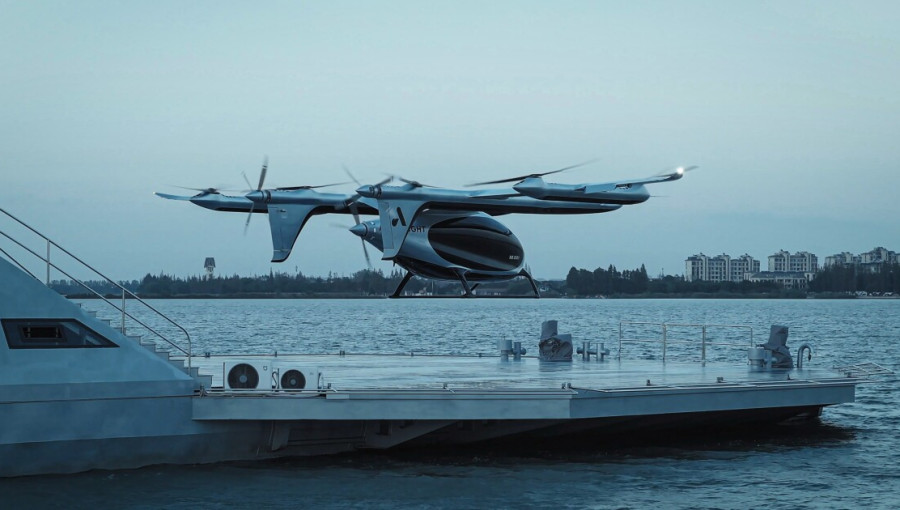
AutoFlight Aviation Technology has introduced a mobile, solar-powered vertiport designed to solve a key infrastructure challenge for the emerging air taxi industry. The innovative platform is a self-propelled barge that can be deployed on waterways, providing flexible landing and takeoff zones for electric vertical takeoff and landing (eVTOL) aircraft. This floating solution aims to expand the operational reach of eVTOLs beyond fixed urban locations, supporting applications from commuting and tourism to offshore logistics and emergency services. A recent demonstration of the technology was successfully completed in Shanghai.
Addressing the critical shortage of landing sites that could limit the growth of urban air mobility, AutoFlight has developed its Integrated Sea–Air Low-Altitude Economy Solution. This floating vertiport is designed to operate on any significant body of water, offering a dynamic alternative to the limited options of skyscraper rooftops or dedicated land-based hubs. By creating movable infrastructure, the company aims to prevent the bottlenecks that plagued earlier attempts at urban helicopter services and unlock the full potential of modern eVTOL transportation.
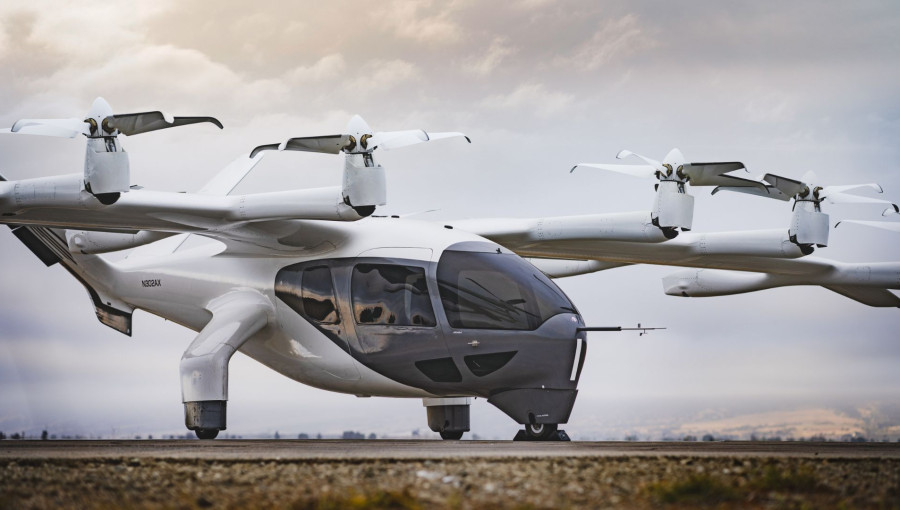
The platform itself features a landing pad covered with solar panels to generate its own power, along with a cabin that functions as a passenger lounge and technical operations center. Its design is robust enough to service not only the company's six-passenger Prosperity I eVTOL but also its autonomous cargo aircraft, the White Shark and CarryAll models.
The mobility of the solar-powered barge opens up numerous possibilities beyond urban commuting. AutoFlight suggests it could be used for air tourism, offshore maintenance support, and search and rescue operations. In scenarios requiring rapid deployment, multiple vertiports could be grouped together to handle sudden surges in passenger or cargo demand. The concept was validated during a demonstration flight at Dianshan Lake in Shanghai on November 22, 2025.