
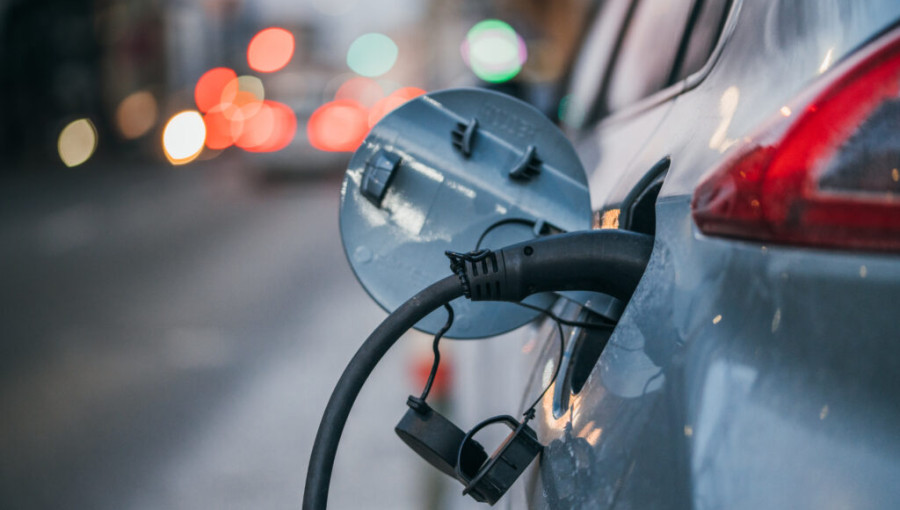
Ethiopia has embarked on a pioneering green transportation initiative, becoming the first country in the world to ban the import of non-electric vehicles. The policy, introduced in January 2024, aims to drastically cut the nation’s reliance on expensive foreign fuel and curb significant CO2 emissions. This move is powered by the country’s expanding renewable energy infrastructure, particularly the Grand Renaissance Dam. However, the ambitious transition is encountering formidable challenges, including an underdeveloped charging network, an unreliable power grid, and a critical shortage of technicians qualified to service electric vehicles.
The government’s decision is rooted in pressing economic realities. In 2023 alone, Ethiopia expended approximately $7.6 billion on petrol and diesel imports, a substantial drain on its foreign currency reserves that could otherwise be allocated to other national development projects. By mandating that all future vehicle imports must be electric, the country hopes to redirect these funds internally while simultaneously advancing its environmental goals. The policy is already having an impact, with over 100,000 electric vehicles now being imported monthly, a figure officials hope to increase fivefold by 2030.
This strategic shift aligns with Ethiopia’s broader energy vision, which is heavily reliant on clean power from the Grand Renaissance Dam. Once fully operational, the massive hydroelectric project is projected to generate over 5,000 megawatts, providing a sustainable energy source to support the burgeoning fleet of electric vehicles. For a city like Addis Ababa, home to over five million residents and plagued by air pollution, a widespread transition to electric mobility promises cleaner air and a healthier urban environment.
Despite the clear benefits, the path forward is fraught with practical difficulties. Many EV owners, from private drivers to taxi services, struggle with an erratic electricity supply, where frequent power outages complicate charging. Furthermore, the public charging infrastructure remains sparse. Maintenance is another significant hurdle. The majority of spare parts are sourced from China, leading to high costs and long delivery times. Compounding the issue, most local mechanics are trained only on combustion engines, leaving just a handful of specialized garages nationwide capable of servicing the complex electronics and battery systems of modern EVs.
In response, the government has outlined plans to expand public charging facilities and is exploring initiatives to establish local production of electric vehicle batteries. Such a move would decrease dependence on imports, lower consumer costs, and stimulate job creation. The commitment to the ban was recently reinforced when authorities closed legal loopholes that had allowed for the import of partially assembled combustion engine kits.
Ethiopia’s all-or-nothing approach stands in stark contrast to other nations that have favored incentives to encourage EV adoption. The success of this unprecedented policy hinges on the rapid development of a reliable power grid, widespread charging stations, and a robust supply chain for parts and skilled labor. While some citizens remain cautious, opting for the familiar secondhand market of gasoline cars, Ethiopia’s bold experiment is being watched closely across the continent as a potential blueprint for a green transport revolution.