Scientists Turn Wood Pulp Into Eco Friendly Electronics
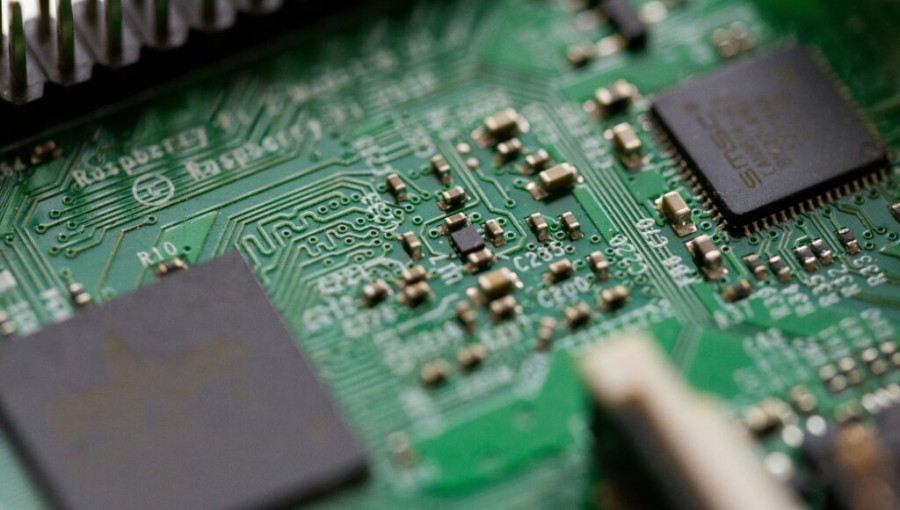
Researchers in Switzerland have developed a fully biodegradable printed circuit board (PCB) from wood pulp, a common waste product from biorefineries. This innovation, created at the Swiss Federal Laboratories for Material Science and Technology (Empa), offers a sustainable alternative to the non-recyclable plastics currently used in most electronics. The new material matches the performance of conventional boards and could significantly reduce the vast amount of electronic waste generated globally each year, while also cutting CO2 emissions from manufacturing.
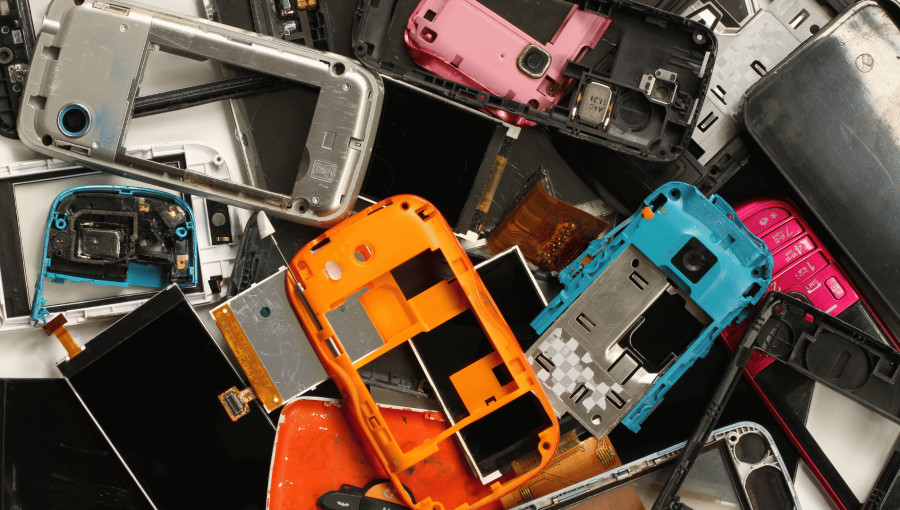
Every electronic device, from smartphones to household appliances, relies on a printed circuit board to function. However, these essential components contribute significantly to the more than 50 million metric tons of electronic waste produced annually. Traditional PCBs are made from a composite of glass fibers and petroleum-based epoxy resin, a material that is durable but extremely difficult to recycle. As a result, most discarded boards are either incinerated to recover precious metals, a process that releases pollutants, or sent to landfills where toxic materials can contaminate the environment.
In a promising development published in Scientific Reports, a team at Empa has engineered a compostable alternative using a renewable resource: wood. The scientists utilized lignocellulose nanofibrils, a material extracted from wood pulp that is typically discarded during biorefinery operations. By grinding this pulp into a fine paste and pressing it under high pressure, they created a solid, uniform sheet. This wood-based material serves as the foundation for the new biodegradable PCB.
Testing revealed that the new material possesses strength, stiffness, and thermal properties nearly identical to those of conventional epoxy boards. Its surface is also smooth enough for the precise application of electronic circuits using modern inkjet printing technology. To prove its viability, the research team built a fully operational computer mouse, incorporating their wood-based PCB and an outer casing 3D-printed from bioplastic. This successful prototype demonstrates that sustainable electronics can meet the performance standards of their traditional counterparts.
While the innovation marks a significant step forward, the researchers acknowledge a current limitation: the wood-based material is more susceptible to moisture than standard PCBs. Since humidity can affect electrical performance, the team is now focused on developing protective coatings or modifying the material itself to improve its water resistance. Overcoming this hurdle will be critical for the technology's adoption in consumer electronics.
The potential environmental benefits are substantial. Early lifecycle assessments suggest that producing these wood-based boards could reduce CO2 emissions by more than 50% compared to conventional methods, largely due to the use of renewable materials and lower-temperature manufacturing. Furthermore, replacing non-recyclable boards with a compostable option would simplify the recovery of valuable electronic components and reduce pollution from e-waste. Several European electronics companies have already expressed interest in partnering with Empa to scale up the technology, with small-scale pilot production potentially beginning within a few years.