
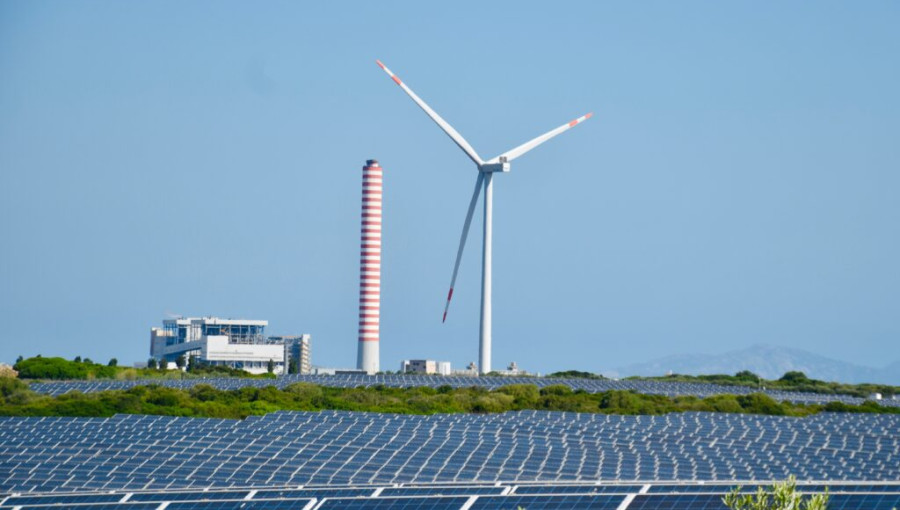
For the first time on record, global electricity generation from wind and solar power has surpassed that of coal. A report from the climate think tank Ember reveals that during the first six months of 2025, the growth in these renewable sources was substantial enough to meet the world’s rising electricity demand, marking a significant milestone in the global energy transition. This surge, led by a remarkable expansion in solar power, has initiated a slight decline in the use of fossil fuels for electricity production worldwide.
The historic shift was primarily driven by an explosive growth in solar energy, which saw its output increase by nearly one-third compared to the same period in 2024. This increase alone satisfied 83% of the new global demand for electricity. Wind power also played a crucial role, with its generation capacity growing by more than 7%. According to Ember, this combined growth demonstrates that clean energy is now expanding at a pace capable of matching and exceeding the world’s increasing power needs, a critical turning point for climate goals.
However, the progress in renewable energy adoption varies significantly across different regions. China and India have emerged as the primary drivers of this global trend. China single-handedly contributed more new renewable generation than the rest of the world combined, leading to a 2% reduction in its fossil fuel consumption in the first half of 2025. Similarly, India’s renewable sector grew three times faster than its electricity demand, resulting in a 3.1% drop in coal use.
In contrast, the United States and Europe faced setbacks that led to an increased reliance on fossil fuels. In the U.S., electricity demand grew faster than renewable energy capacity, prompting a 17% rise in coal generation. Europe contended with unfavorable weather conditions that diminished output from wind and hydropower sources. Despite a rapid increase in solar power, the continent had to compensate for the shortfall by increasing natural gas generation by 14% and coal by 1.1%.
Looking forward, the transition away from fossil fuels is expected to accelerate. The International Energy Agency projects that global renewable capacity could more than double by 2030, with solar power accounting for 80% of this expansion. This growth is supported by rapid advancements in energy storage technology, such as large-scale battery systems, which help manage the intermittent nature of wind and solar. Furthermore, major economies are planning significant coal plant retirements, with the U.S. and Europe set to decommission a substantial portion of their coal fleets by 2030, drastically reducing CO2 emissions.