
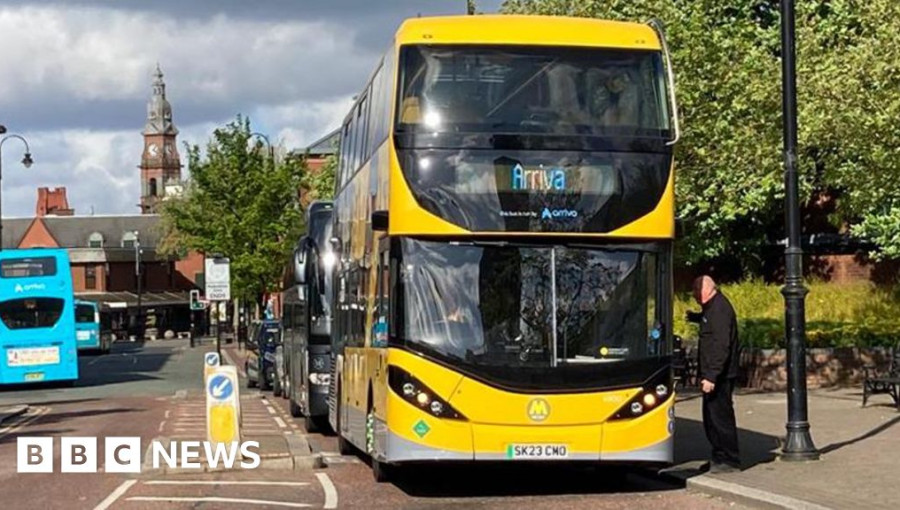
The Liverpool City Region is abandoning its hydrogen bus initiative, deciding to convert its fleet of 20 vehicles to battery electric power due to a critical shortage of hydrogen fuel. This move follows a troubled rollout where half the buses never carried a single passenger and the other half saw extremely limited service. While the combined authority assures that the conversion will not cost the taxpayer, the project has been heavily criticized by one transport committee member as a “waste of time and money” from the outset.
The fleet, purchased in 2021 through the Transforming Cities Fund, was intended to be a cornerstone of the region’s net-zero ambitions. Ten of the buses, operated by Arriva, have been used only sporadically since 2023, completing just 450 passenger-carrying trips. The other ten, allocated to rival operator Stagecoach, have remained completely out of service. This is a stark contrast to the project’s high-profile launch, where it was promoted as a pioneering step for the busy 10A route connecting St Helens and Liverpool city centre.
A spokesperson for the Liverpool City Region Combined Authority explained that the decision was made after a comprehensive review of the project, which considered global hydrogen supply and pricing challenges. The authority confirmed that the vehicle supplier would bear the full cost of converting the buses to battery electric. Once retrofitted, these vehicles are set to join the growing electric fleet as part of the region’s broader strategy to decarbonise its bus network by 2035.
However, the project has faced sharp criticism. Councillor Liz Makinson, a member of the transport committee, called the pivot to electric power “the right decision” now but lamented the initial £10 million investment. She pointed out that similar electric buses would have been around £100,000 cheaper per vehicle to purchase initially. Makinson suggested the hydrogen buses were acquired “on a whim,” without heeding the lessons from similar troubled projects in Aberdeen, the Netherlands, and Germany, and called for greater scrutiny of major spending decisions.