
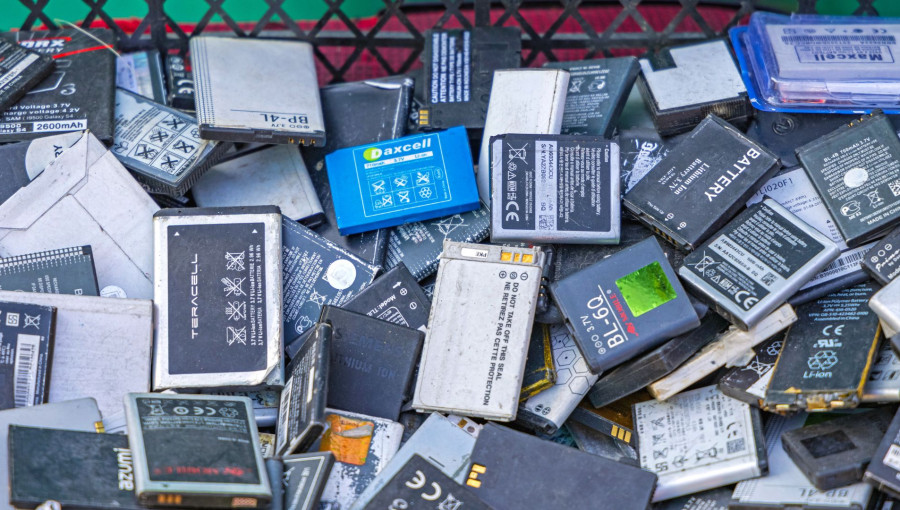
Researchers in China have developed a breakthrough method to transform discarded mobile phone batteries and paper industry waste into high-performance components for sodium-ion batteries. By combining recovered metals with carbon derived from lignin, the team created a sustainable electrode material that offers a cost-effective alternative to traditional lithium-ion technology. This innovation addresses the growing problem of electronic waste while providing a scalable solution for the next generation of energy storage in electric vehicles and power grids, marking a significant step toward a circular economy.
A team from Shenyang Agricultural University has successfully demonstrated a circular economy model by repurposing industrial and electronic waste into advanced energy storage materials. The researchers focused on sodium-ion batteries, which are increasingly viewed as a greener and more affordable alternative to lithium-ion systems due to the global abundance of sodium. However, the commercial viability of sodium-ion technology has long been hindered by the difficulty of developing efficient and durable electrode materials.
The conversion process utilizes hydrothermal synthesis to extract critical metals, specifically nickel and cobalt, from spent mobile phone batteries. These recovered elements are then integrated with carbon sourced from lignin, a common byproduct of the paper and biofuel industries. In this composite material, the lignin-derived carbon serves as a protective coating that enhances electrical conductivity and ensures the structural stability of the electrode. Simultaneously, the reclaimed metal sulfides provide the active sites necessary for efficient sodium-ion storage.
Laboratory tests revealed that the new composite material performs exceptionally well as an anode. It achieved an initial discharge capacity exceeding 1,000 milliampere hours per gram and maintained high efficiency even under rapid charge and discharge cycles. The researchers noted that the material’s unique architecture allows for seamless ion transport, which is essential for high-power applications such as electric vehicle propulsion and large-scale grid storage.
Beyond its technical performance, this method offers a dual environmental benefit by tackling the mounting issue of e-waste and finding a high-value use for industrial byproducts. By shifting away from traditional recycling toward “upcycling,” the process reduces the environmental footprint of battery production. While currently a laboratory-scale success, the researchers believe this technique could eventually lower manufacturing costs across the energy sector. The study, which highlights the potential for a more sustainable battery supply chain, was recently published in the journal BiocharX.