
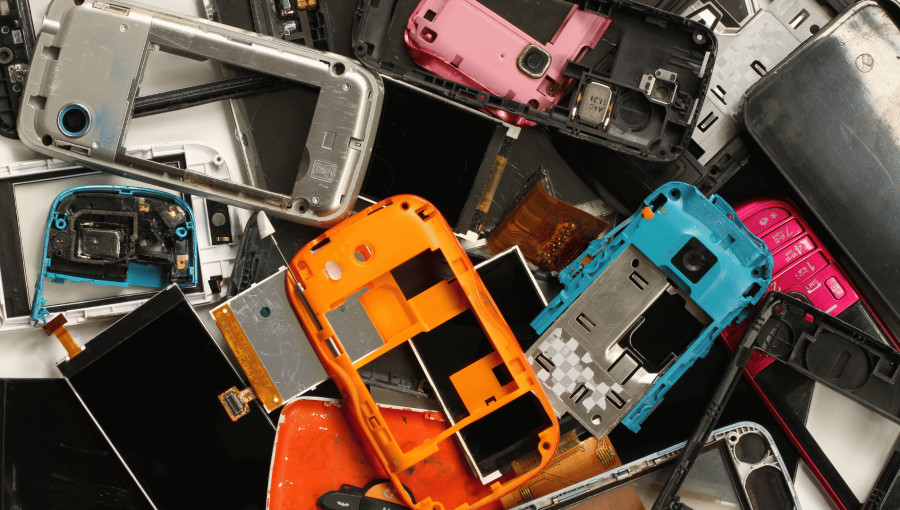
Innovative research is bridging the gap between electronic waste and sustainable energy by repurposing discarded mobile phone batteries and paper mill byproducts. By combining extracted metals with industrial lignin, scientists have developed high-performance components for sodium-ion batteries. This breakthrough offers a dual solution to the growing global e-waste crisis and the environmental impact of the paper industry. As a cost-effective and abundant alternative to lithium-ion technology, these recycled batteries represent a significant step toward a circular economy and the advancement of cleaner, more affordable energy storage.
The global challenge of electronic waste may have found an unlikely solution in the trash bins of the paper industry and the graveyards of old mobile devices. Researchers have successfully pioneered a method to transform discarded phone batteries and industrial lignin—a natural waste product from biofuel and paper production—into essential parts for sodium-ion batteries. This development addresses the environmental hazards of landfills, where old batteries often leak toxic chemicals, while simultaneously finding a high-value use for lignin, which is typically burned or discarded as waste.
Using a technique known as hydrothermal synthesis, the research team extracted nickel and cobalt from the old battery cells. These recovered metals were then integrated with carbon derived from lignin to create a composite material that functions as a high-capacity anode. The resulting material demonstrated remarkable durability and power retention, maintaining its integrity through numerous charge and discharge cycles. Notably, the lignin-based carbon acts as a protective framework, ensuring structural stability while the recycled metals facilitate efficient energy transfer.
Sodium-ion batteries are increasingly seen as a viable alternative to lithium-ion versions due to the abundance and low cost of sodium. While lithium is difficult to source and environmentally taxing to mine, sodium is widely available, making it ideal for use in electric vehicles and consumer electronics. The integration of waste materials into the manufacturing process could further reduce production costs, making sustainable technology more accessible to the general public.
The ultimate goal of this research is to foster a circular economy where waste is viewed as a resource rather than a burden. By moving beyond traditional recycling methods, the team has demonstrated that high-value materials can be reclaimed and repurposed for advanced energy storage. This approach not only conserves natural resources but also significantly reduces the CO2 emission and environmental footprint associated with traditional battery production.