
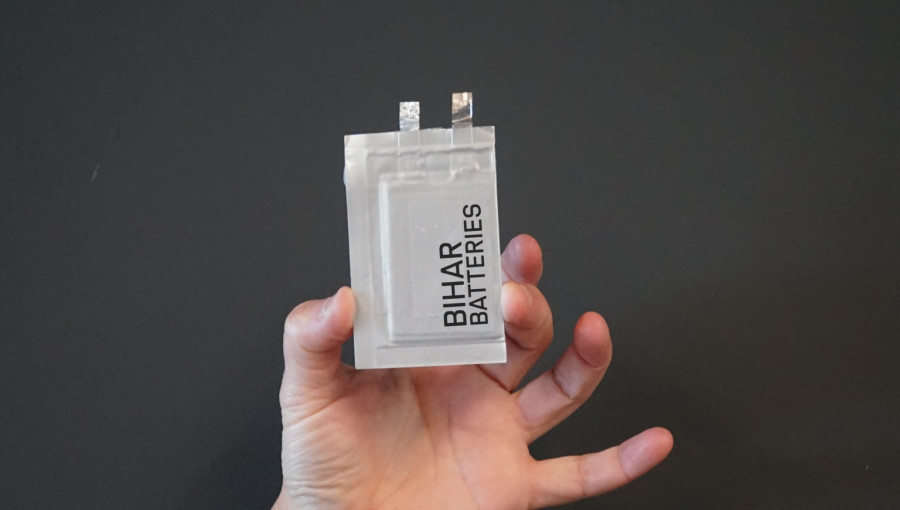
The European Union is positioning sodium-ion battery technology as a cornerstone of its future industrial strategy to enhance competitiveness and secure energy independence. Séamus Boland, President of the European Economic and Social Committee (EESC), has called for the next long-term EU budget, covering 2028 to 2034, to prioritize funding for this sector. By diversifying beyond lithium-ion, the EU aims to leverage sodium’s high availability across the continent to reduce supply chain risks. This strategic shift targets a more sustainable, cost-effective energy storage landscape that could see production costs drop significantly as the technology scales.
The EESC has formally recognized sodium-ion technology as a critical element for Europe’s economic resilience. According to Boland, it is vital that the next Multiannual Financial Framework provides the necessary capital to transform innovation into industrial capacity. The committee advocates for a dual-track “industrial pathway” that supports both lithium and sodium technologies through a combination of public grants, tax incentives, and joint research and development projects. This comprehensive approach is designed to foster a robust domestic ecosystem for energy storage.
One of the primary advantages of sodium-ion batteries is their potential to offer a cheaper and more environmentally friendly alternative to traditional lithium-based systems. Because sodium is an abundant resource within Europe, the transition would decrease the bloc’s exposure to volatile global markets and geopolitical dependencies. The European Battery Alliance Association (BEPA) noted that while China has historically dominated the sector with over €1.2 billion in research investment, Europe must now build on its existing strengths to ensure its innovations reach the commercial production stage.
Economic projections from the International Renewable Energy Agency (IRENA) suggest that sodium-ion batteries could revolutionize cost structures for electric vehicles and large-scale energy storage. Industry analysts expect that as manufacturing processes mature and production volumes increase, the cost of sodium-ion cells could fall to approximately $40/kWh. This price point would make the technology highly competitive with current fossil fuel-based and lithium-ion solutions.
To maintain this momentum, the European Energy Committee is preparing a series of stakeholder discussions and a specialized study intended to cement sodium-ion batteries within the EU’s broader industrial agenda. Several European manufacturers have already begun investing in the technology, with some nearing the stage of commercial-scale production. These efforts represent a significant step toward achieving the EU’s climate goals and establishing a self-sufficient battery manufacturing sector.
https://www.ess-news.com/2026/03/02/all-european-sodium-ion-battery-manufacturers-at-a-glance/