
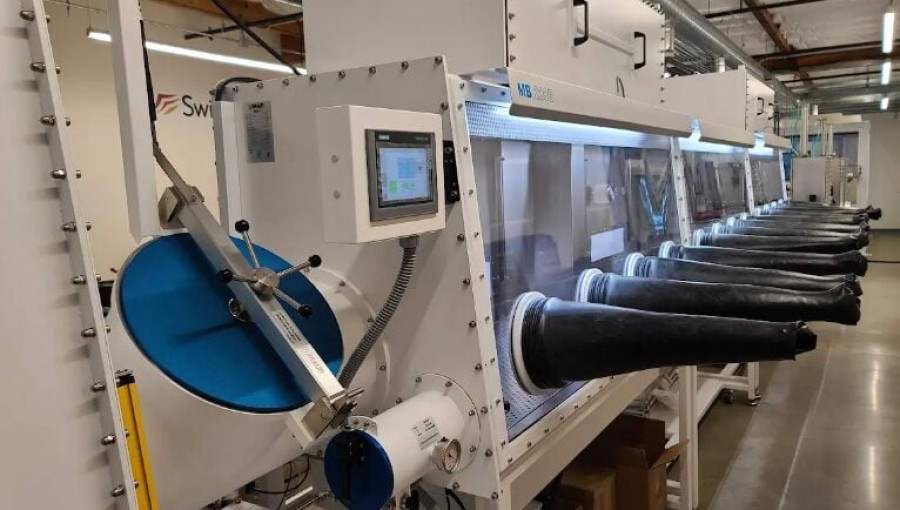
California-based Swift Solar has significantly expanded its domestic manufacturing capabilities by acquiring the United States heterojunction technology (HJT) assets and intellectual property of Swiss manufacturer Meyer Burger. This strategic move includes the absorption of Meyer Burger’s specialized personnel and allows Swift Solar to integrate advanced silicon technology with its ongoing perovskite research. By securing these assets, the company aims to establish a complete tandem solar cell value chain under one roof, accelerating the transition from laboratory breakthroughs to gigawatt-scale commercial production within the American market.
The acquisition provides Swift Solar with a robust intellectual property portfolio that ensures the legal and technical freedom to operate as it scales up its next-generation tandem cell manufacturing. Swift Solar CEO Joel Jean emphasized that the deal allows the company to leverage equipment specifically designed for U.S. production that Meyer Burger had prepared but never fully deployed. This integration is expected to be a catalyst for the company’s goal of boosting solar cell efficiency. By layering perovskite onto traditional silicon architectures, Swift Solar believes the theoretical efficiency limit can be pushed from approximately 30% to as high as 45%.
Meyer Burger’s exit from the U.S. manufacturing landscape follows the recent closure of its module production facilities in Arizona. While the Swiss firm has sold other portions of its machinery to companies like Waaree Solar Americas, Swift Solar’s focus remains on the high-efficiency HJT cell technology. Moving forward, the company has outlined a three-pronged strategy: scaling domestic HJT cell and module production to the gigawatt level, integrating perovskite manufacturing into existing lines, and ensuring tandem production capacity eventually matches its HJT output.
This development comes at a critical time for the American solar industry. While domestic module assembly has seen rapid growth, the production of the underlying solar cells has historically lagged. Most advanced technologies, such as perovskite-silicon tandem cells, are currently in the pilot and testing phases rather than commercial-scale production. Swift Solar’s successful testing of these cells in a U.S. Department of Defense pilot project earlier this year underscores the potential for high-efficiency technology to move toward commercial viability, filling a significant gap in the domestic clean energy supply chain.